Andrea Zagato on the US$3 million Capricorn 01, Italian coachbuilder Zagato’s first hypercar

The project blends Italian design flair and German precision thanks to engineering firm Capricorn, known for McLaren, Porsche and Bugatti collabs
Andrea Zagato says that, when you’re 106 years old, you think very carefully before risking your reputation. “It’s a lot of history to protect,” says the CEO of the legendary Italian coachbuilding company that bears his family name. Zagato was founded by his grandfather Ugo in 1919, and would go on to lend its styling skills to the likes of Bugatti, Rolls-Royce, Porsche, Bentley, Aston Martin and Lamborghini; and to make classic versions of the Ferrari 575 GTZ, Alfa Romeo TZ3 Corsa and BMW Z4.
Indeed, just about every top marque you can name has sought Zagato’s hand. It can be hard to keep track. When Andrea Zagato announced the Z4 project, he proudly stated that this was the start of a relationship with BMW – and later had to backtrack when it was revealed that Zagato had first worked with the German company in 1948.
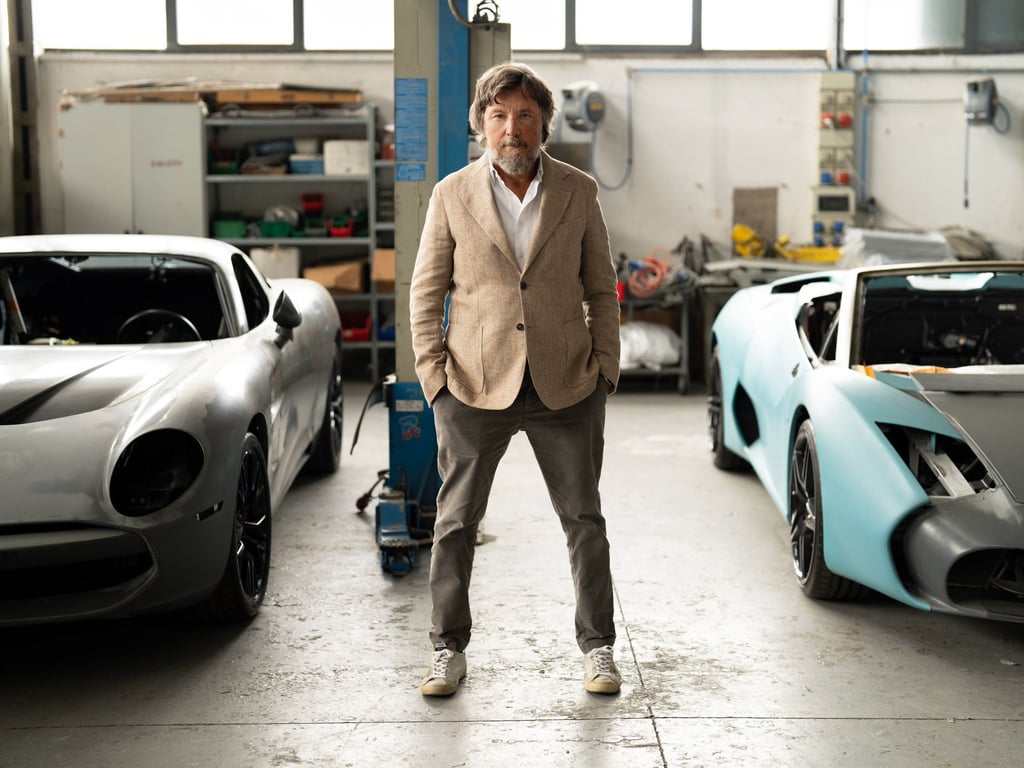
Certainly Zagato stands alongside the likes of Pininfarina, Karmann and Bertone for its visionary ability to give already incredible cars just that little bit of extra distinction – grand tourers in particular. But now comes its first hypercar: for Capricorn, the German engineering company that has contributed to the McLaren P1, Porsche 918 Spyder and Bugatti Veyron.
Only 19 examples of the 01 Zagato will be made, each priced at €2.95 million (US$3.42 million). Zagato is already working on the 02 – “something completely unusual”, Andrea Zagato promises.
“We’ve been approached to style a hypercar before but invariably it was by companies with the name but none of the engineering competencies, or vice versa; Capricorn has both,” he explains. “The idea has been to combine that German engineering with Italian styling verve.

“In a very mature automotive market there’s increased interest in ultra-exclusive cars that represent the pinnacle of style, but also power, price and technology. And while I’m very proud of the cars we’ve worked on before, this is the kind of car the younger generation seems to be drawn to now. It’s maybe a sign that Zagato should do something different. And there’s always the appeal of working on a design that has no historic point of reference. Hypercars didn’t exist when I was young,” he points out.
Back then Andrea Zagato was still dreaming of becoming a veterinarian – until curiosity about his father’s work and the story of the family firm saw him take his place within it. He was soon to discover the challenges of running that firm. “The automotive industry has changed,” he laments, adding that it’s become far more corporate. “In my father’s day you developed long personal relationships with the visionaries who built their automobile companies – Enzo Ferrari or David Brown [of Aston Martin] and so on – which lasted for decades. Now you have to deal with a different manager of the OEMs [original equipment manufacturers – the car brand giants] every six months.”
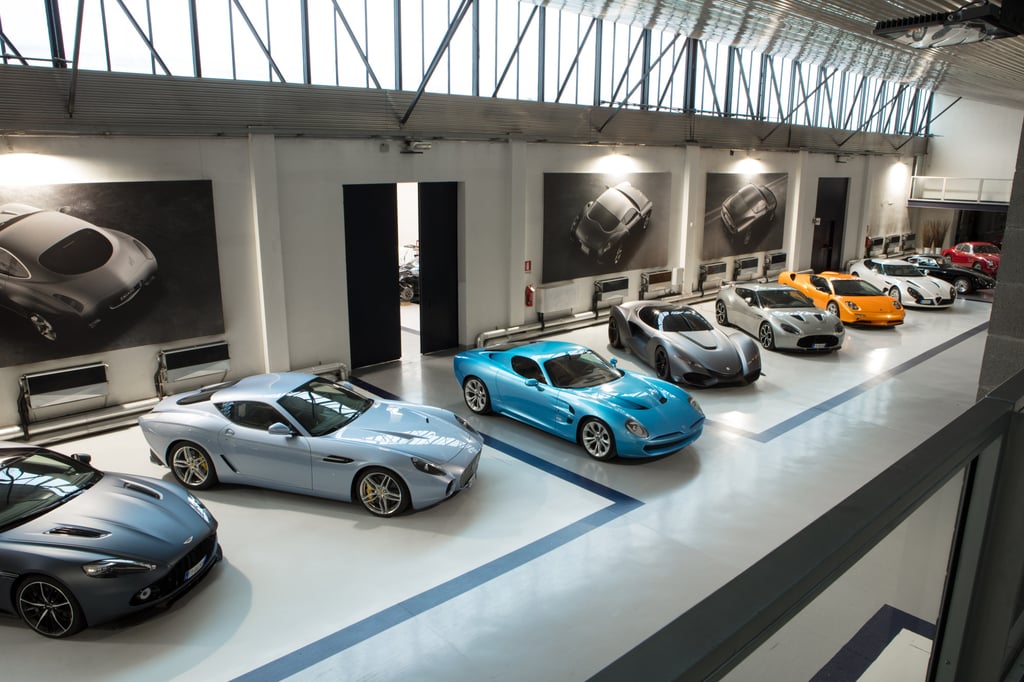
One reason why the Capricorn deal came together is that he has, he admits, been close friends with its owner, Robertino Wild, for many years. The work is there at least – and small wonder. A Zagato badge is said to increase the value of a car it’s on – even a less glamorous Peugeot, Toyota or Fiat – by multiples. It gives “added value to a standard model”, as Andrea puts it. It also adds some invigorating buzz to the brand in question.