The rich history of cinnamon, from Ceylon to Cinnabon

A spice derived from the dried inner bark of evergreen trees, cinnamon’s warmth and versatility shine in sweet and savoury dishes alike
“When it’s nice and warm, the sugar kind of melts and infuses with the cinnamon. The flavour is unreal,” observes Hodge, the owner of Vancouver-based Temper Chocolate & Pastry.
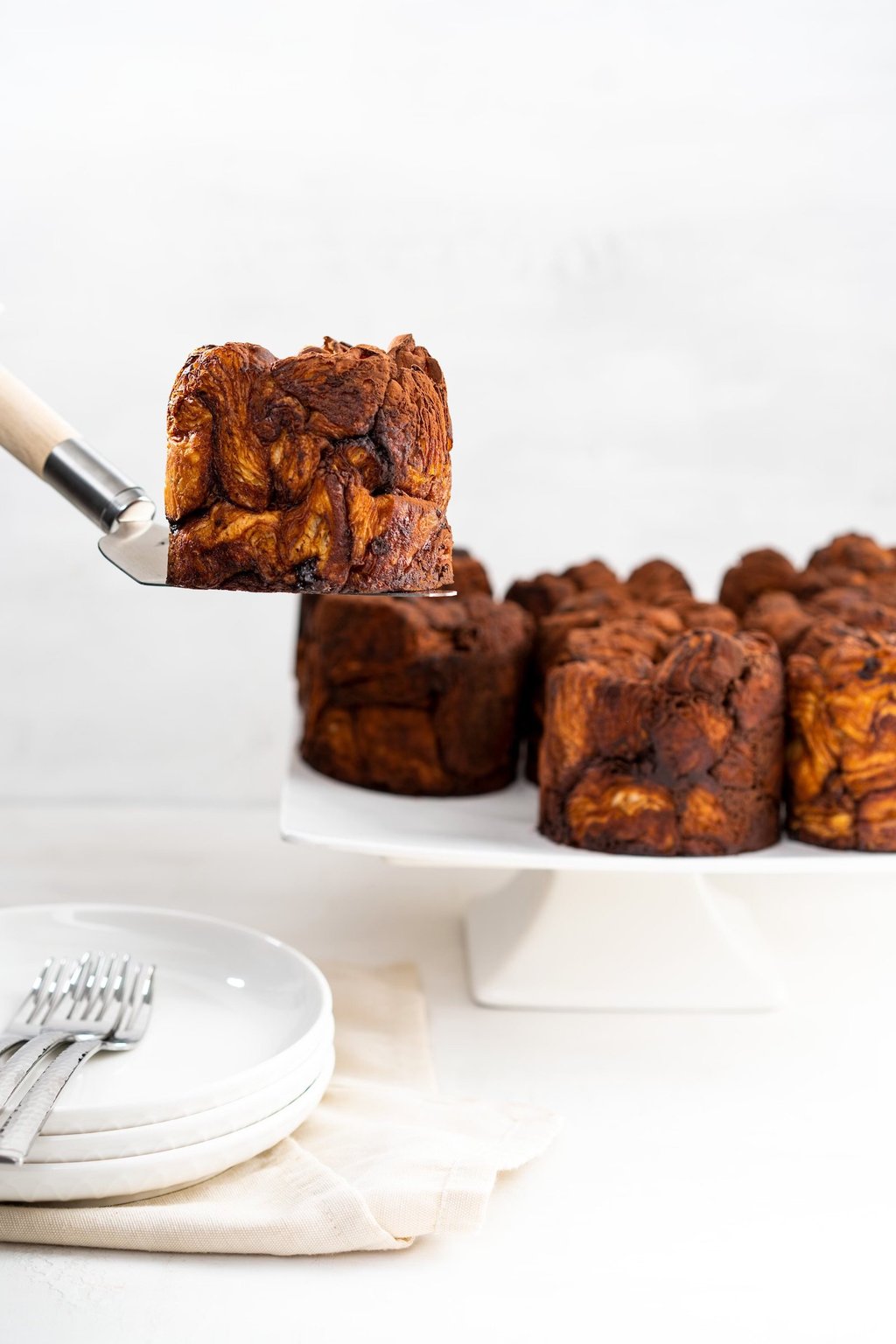
“Cinnamon has a lot of great flavours because there’s an earthy, woody taste to it,” he says. “If you were to smell or chew on a cinnamon stick, there is a spiced note to it.” He adds that, depending on what ingredients you cook with, cinnamon can enhance the flavours of other spices, contribute a subtle sweetness to spicy food and even provide a hint of acidity.
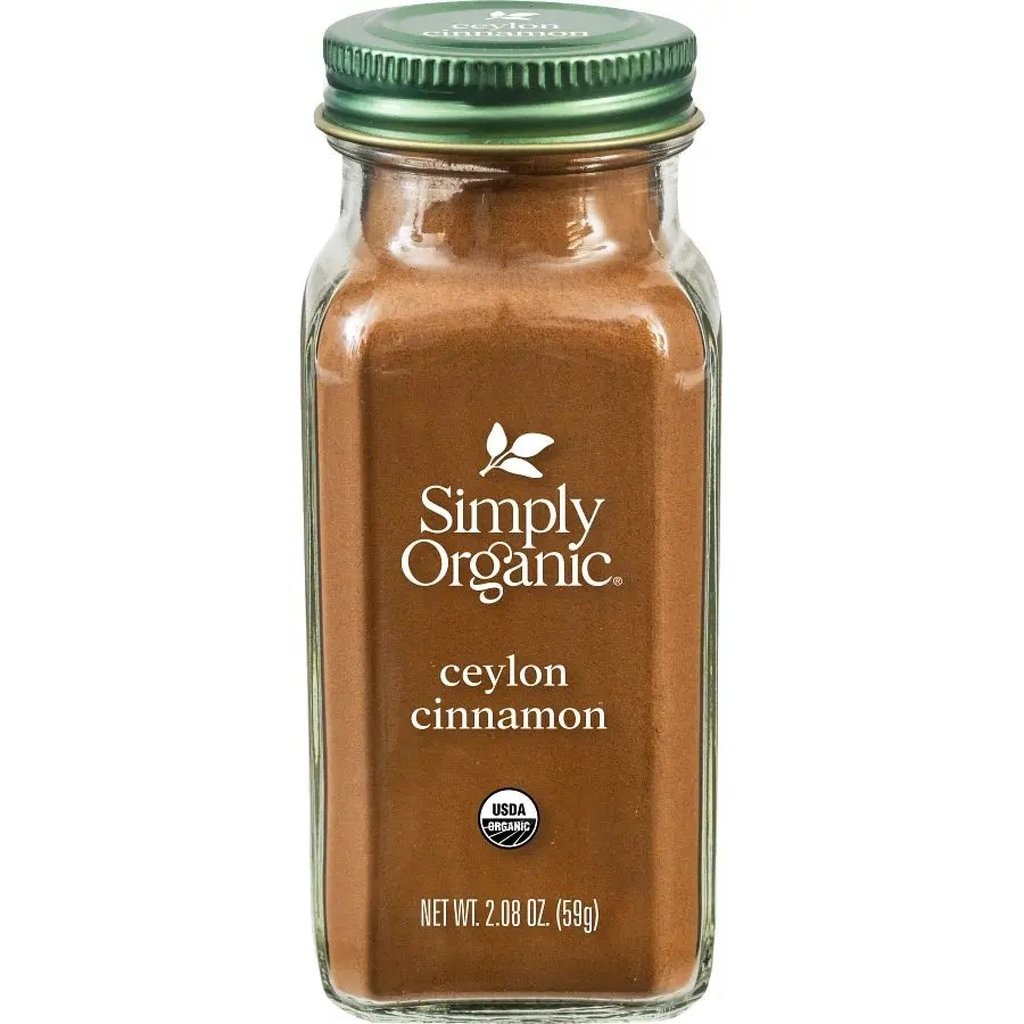
This woody spice comes from the inner bark of trees in the genus Cinnamomum. “True cinnamon” (Cinnamomum verum), or Ceylon cinnamon, comes from Sri Lanka, formerly known as Ceylon. However, most of the world’s cinnamon production – about 90 per cent – comes from related species grown in Indonesia, Vietnam and China. Ceylon cinnamon has a lighter, milder and sweeter flavour compared to the stronger, spicier and more pungent taste of other varieties.
While cinnamon is commonly used in baking, it is also found in savoury dishes like soups and curries. The spice is added to everything from breakfast cereals to hot chocolate and ice cream. Studies exploring cinnamon’s health benefits suggest it may help support healthy blood pressure, blood sugar and metabolism, and reduce inflammation.
Here in Asia, the spice is synonymous with Chinese five-spice powder, fiery Indonesian and Malaysian rendang, and the festive Korean punch known as sujeonggwa. In the West, of course, cinnamon is known for its association with apple pies. When Hodge makes them, he uses Granny Smiths, explaining that the spice balances the apples’ sharp acidity.
When combining cinnamon and chocolate, Hodge says sweeter and creamier is better.