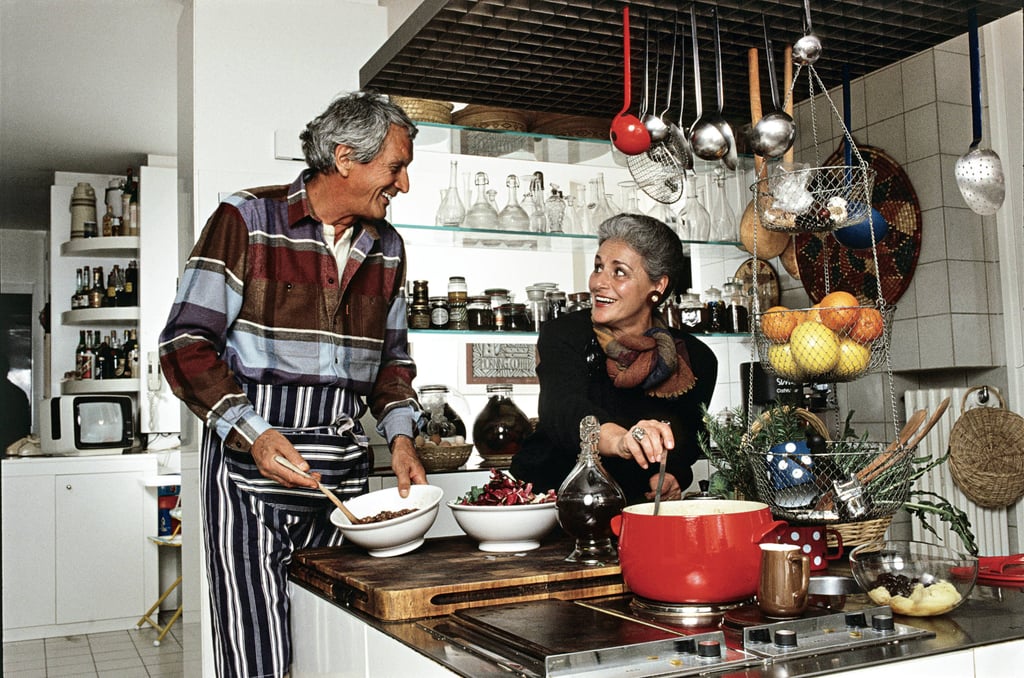
The popularity of old-fashioned cookbooks, with offerings from Gwyneth Paltrow and Sophia Loren

Social media may be awash with recipes, but book fans cite their appreciation for high-quality narratives and photography in a tangible form
Behind almost every popular dish in 2025 is a viral social media post. If you ask people to share their recipes for making favourites like cottage cheese wraps, protein bagels, home-made Dubai chocolate or crispy rice salmon salad, nine out of 10 are likely to send a link to a Facebook, Instagram, TikTok or Xiaohongshu (RedNote) post.
The digitisation of recipes took a new turn when the pandemic transformed the masses into aspiring Michelin-star chefs. Now YouTube is crammed with user-generated video tutorials on how to make a sourdough starter, while audiences turn to influencers instead of chefs for banana bread tips. With so much delicious content online, it’s easy to forget that cookbooks are still being written.
They have a very long history, dating as far back as 1700BC in ancient Mesopotamia (modern-day Iraq), where recipes were written on clay tablets. The advent of modern printing in the 15th century brought cookbooks to a much wider audience – prior to this they were only available to the elite – and by the 17th century they had become a kitchen staple. In the 20th century, books like Irma S. Rombauer’s Joy of Cooking (1931), and the two-volume Mastering the Art of French Cooking (1961 and 1970), by Simone Beck Louisette Bertholle and Julia Child, were helping to make cooking at home easier and more enjoyable.
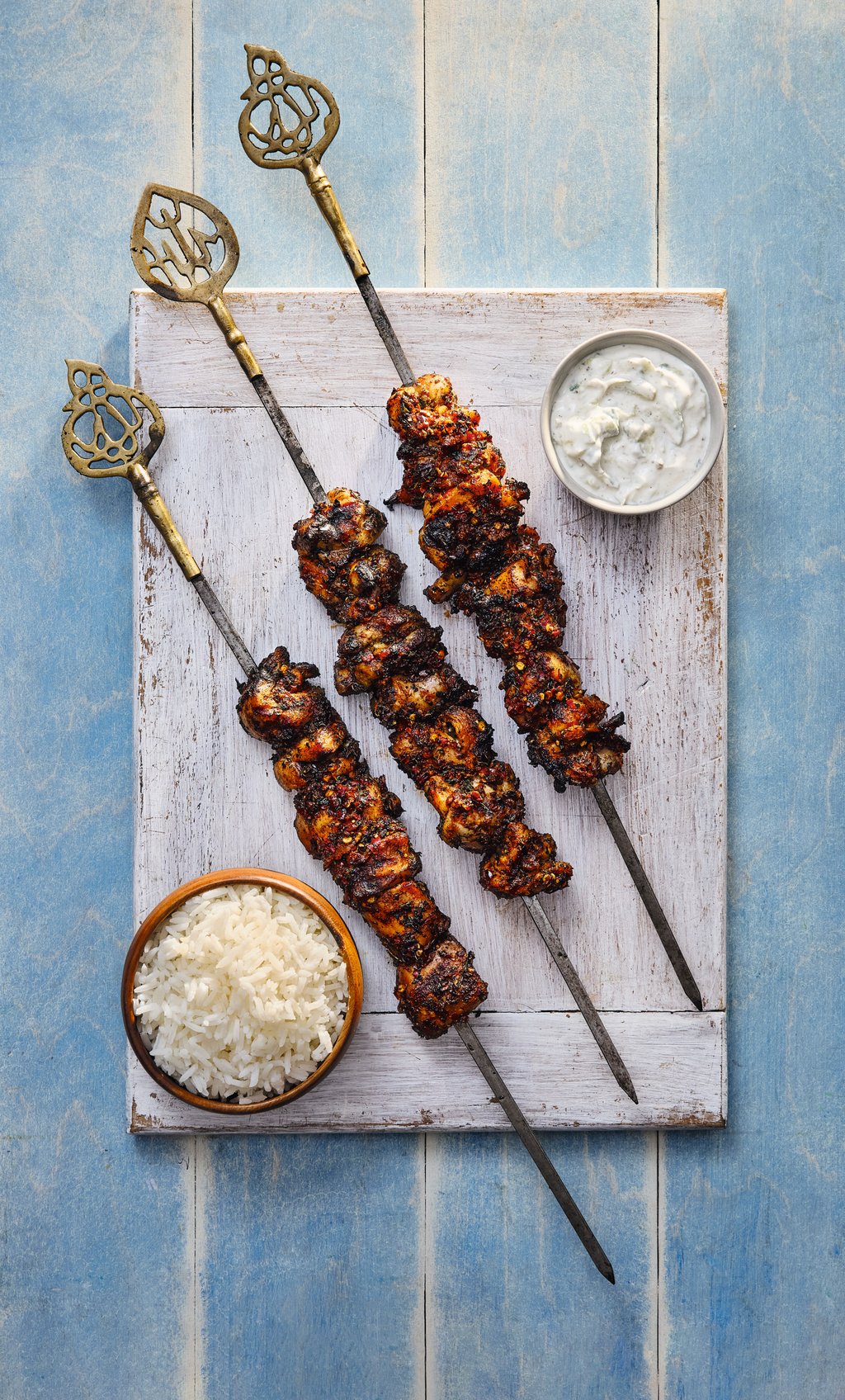
“Cookbooks are a unique witness of time, a period, a moment that only a physical book can truly express. It has a genuine story, a beautiful narrative and writing, and of course, stunning pictures,” says Michelin-starred chef Julien Royer.
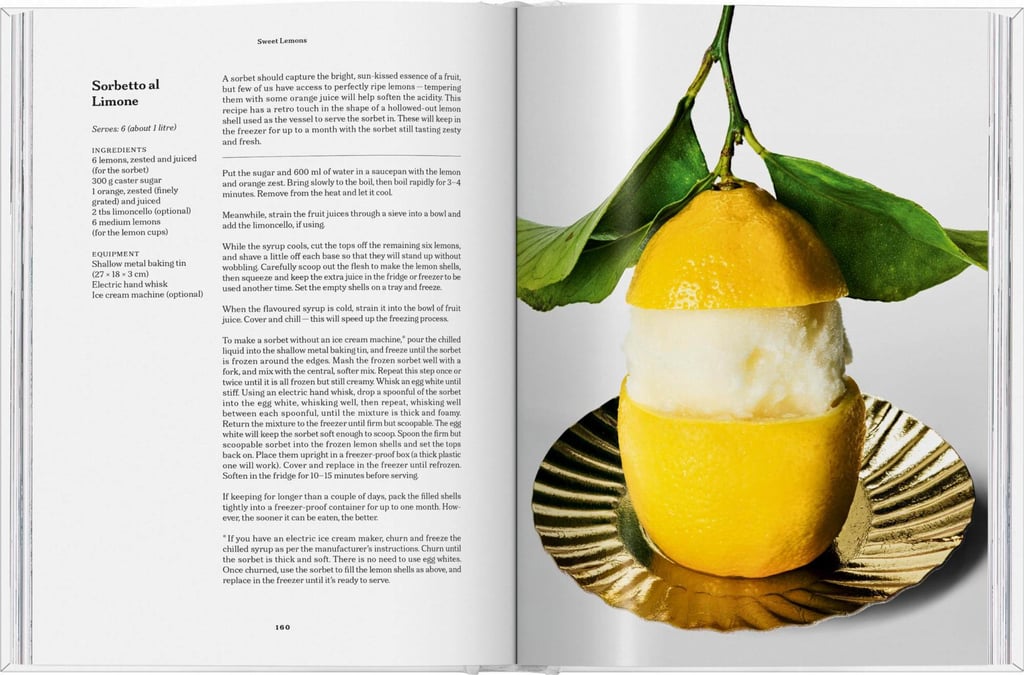
Cookbooks have evolved from offering simple instructions on how to make a dish. Now, you can expect glossy tomes that are as collectible for their design and imagery as the dishes described within.