Our guide to 5 auspicious foods for Chinese New Year: prawns, kumquats and more

Here are the lucky dishes to eat this festive season, from prosperity-generating oysters to biang biang noodles symbolising a long life
The festive dinner is all about eating dishes that will hopefully bring wealth and happiness in the coming year. In China these include dumplings (as they look similar to oval-shaped silver ingots), a whole fish, a whole chicken, deep-fried spring rolls, lion’s head meatballs, and New Year puddings made of glutinous rice flour and brown sugar.
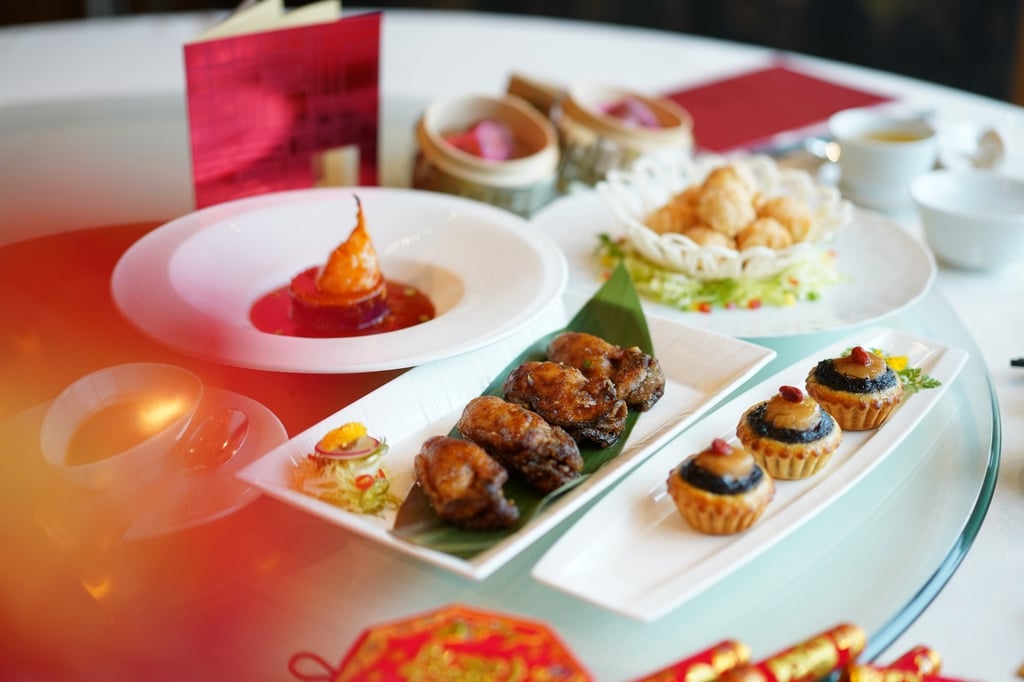
For the Cantonese, who live in southern China, Lunar New Year feasts feature dishes with names that are homophones of lucky words. By this rationale, the best way to attract good luck for the coming year is by eating auspicious-sounding dishes.
Oysters
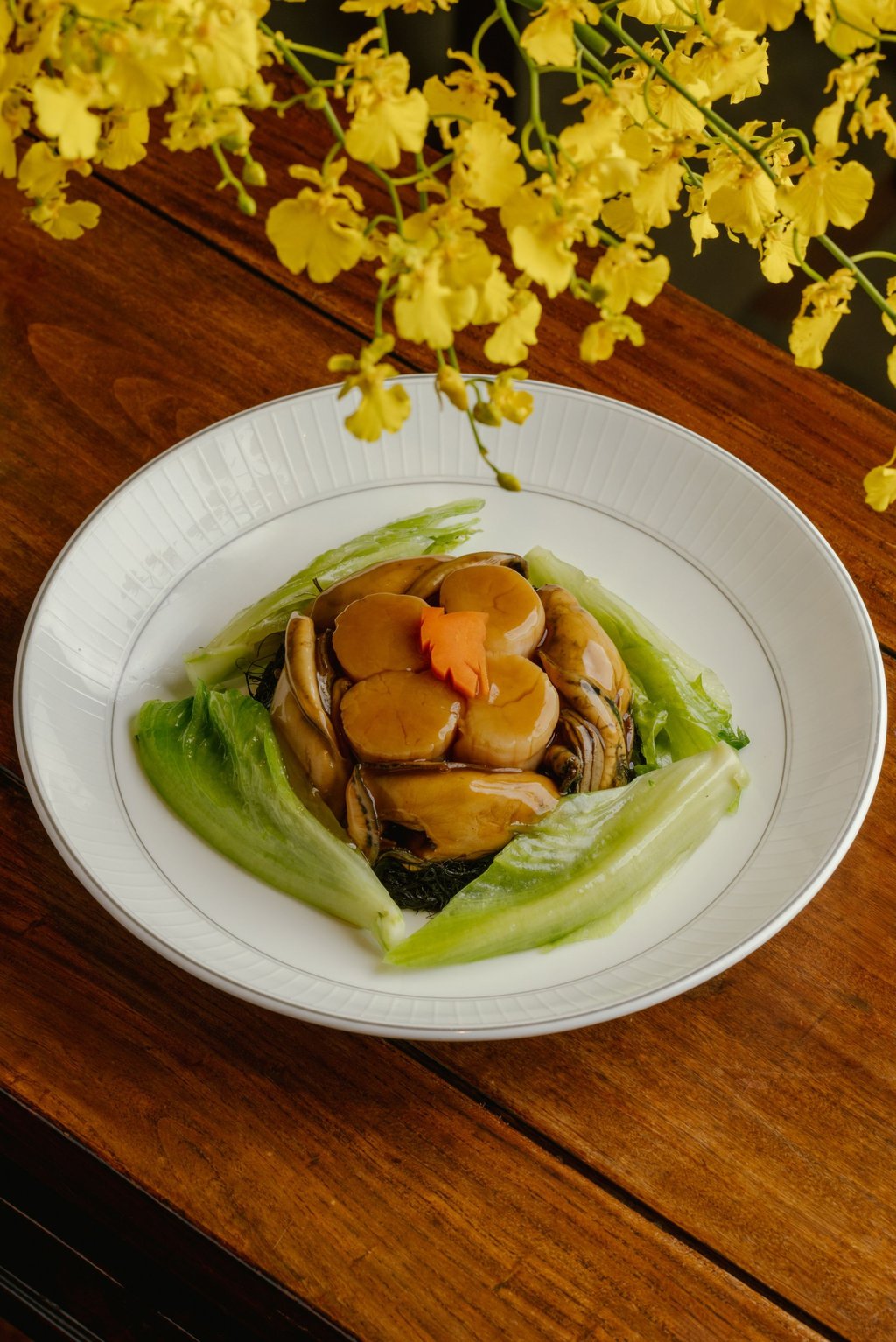
One classic dish typically eaten during Lunar New Year is braised dried oysters with sea moss, called ho see fat choy, which sounds similar to “prosperity and good fortune”. The Chinese prefer dried oysters because they have a more concentrated umami flavour. Top chefs in Hong Kong prefer using golden oysters like those harvested in Lau Fau Shan in the New Territories because they are bigger and plumper than typical dried oysters, and have a sweet, rich flavour.
Dried oysters are rehydrated and cleaned before being sautéed, then chicken stock and Shaoxing wine are added. These ingredients are then braised in soy and oyster sauces together with sea moss – a vegetable whose Chinese name sounds similar to “wealth”.
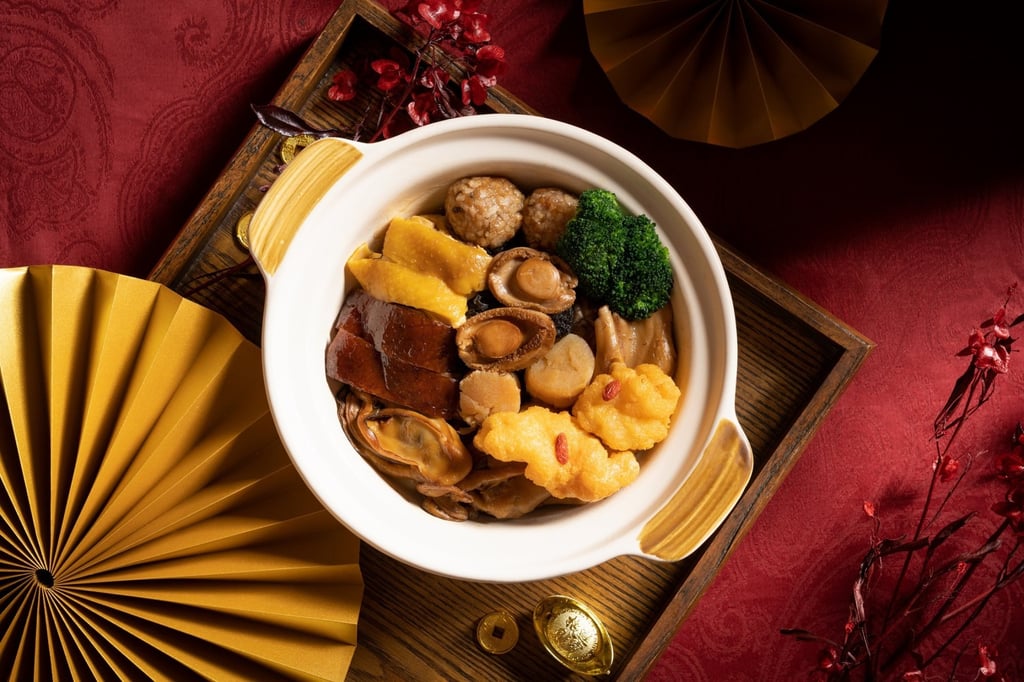
Fresh oysters can be cooked in a claypot, and seasoned with ginger, scallions and glass noodles, or steamed in the shell with black bean sauce and finished with chopped scallions.