How asparagus benefits your health – and the different ways to prepare the vegetable

Chefs share their tips, from simple grilling to fermenting, highlighting the vegetable’s versatility and seasonal appeal … but why does it make your urine smell?
Asparagus is the favourite vegetable of chef Hector Laguna’s two boys. “My kids love asparagus with a little olive oil, salt, and then we grill them for three to four minutes,” he explains, adding that’s how they eat the vegetable at home.
“But at work, asparagus is fantastic. We use them in salads, we cook them, pickle them and ferment them,” says the executive chef of Botanist in Vancouver.
Asparagus signals the arrival of spring and is known for its fibrous stalks and slightly bitter taste. Although it is grown in North America, across Europe and even in countries like Peru, Japan and Thailand, China is by far the largest producer, harvesting around 7.4 million metric tons per year, comprising as much as 90 per cent of the world’s supply and making the herbaceous plant available almost all year round.
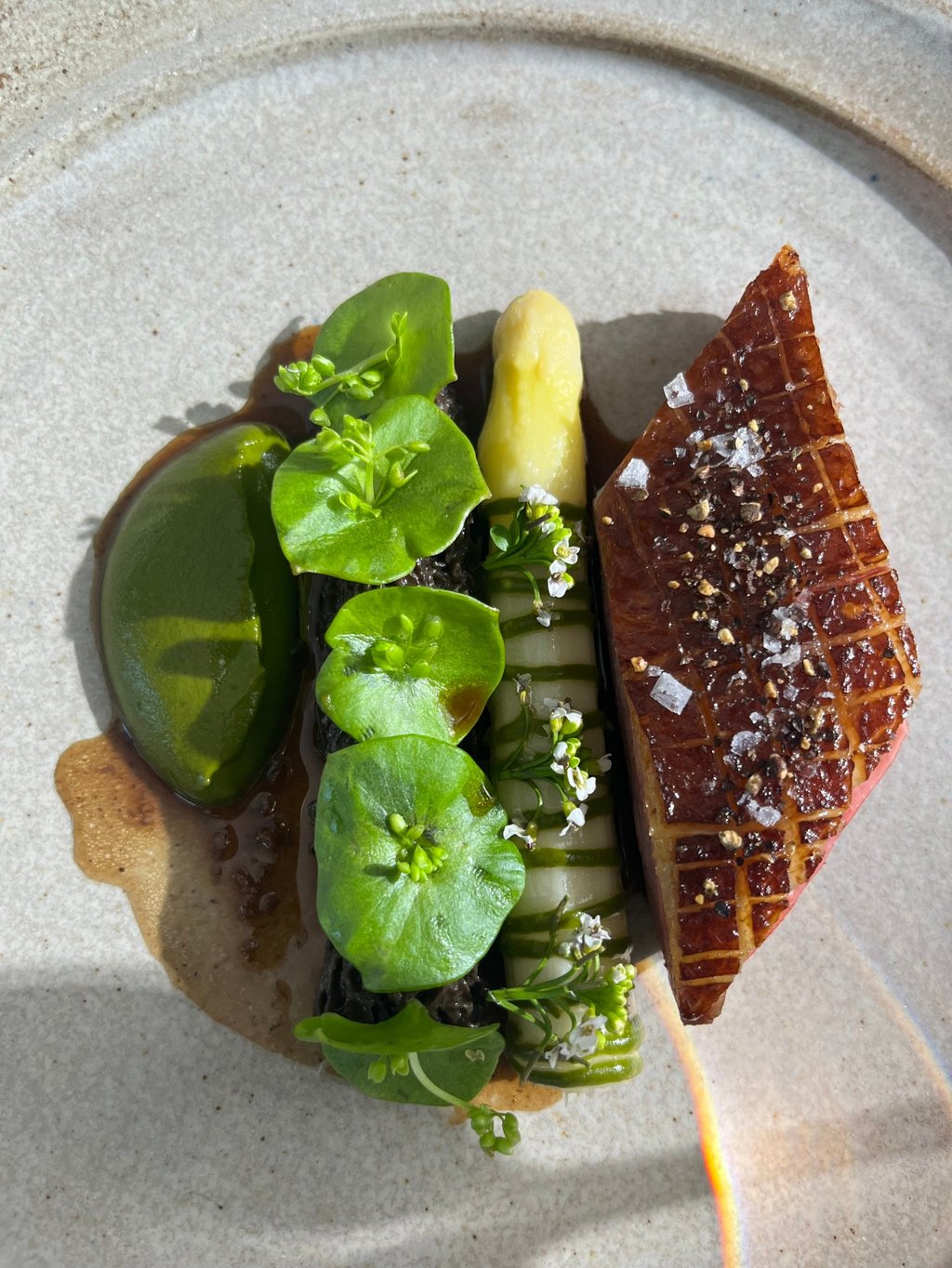
However, when asparagus is available locally, chefs like Laguna showcase the perennial vegetable right away because the season is very short, ranging from around mid-April to the end of June.
To extend the season, some chefs pickle asparagus, while Laguna says fermenting them in salt alone is the best way to preserve thick stalks.
“If you let them ferment for only three days, the texture is beautiful, it’s nice and crunchy and that natural vinegar is really hard to emulate otherwise. It’s delicious.”
Once they are finished fermenting, Laguna doesn’t even rinse the stalks – they are ready to be used as condiments on the dishes at Botanist to add flavour and texture.
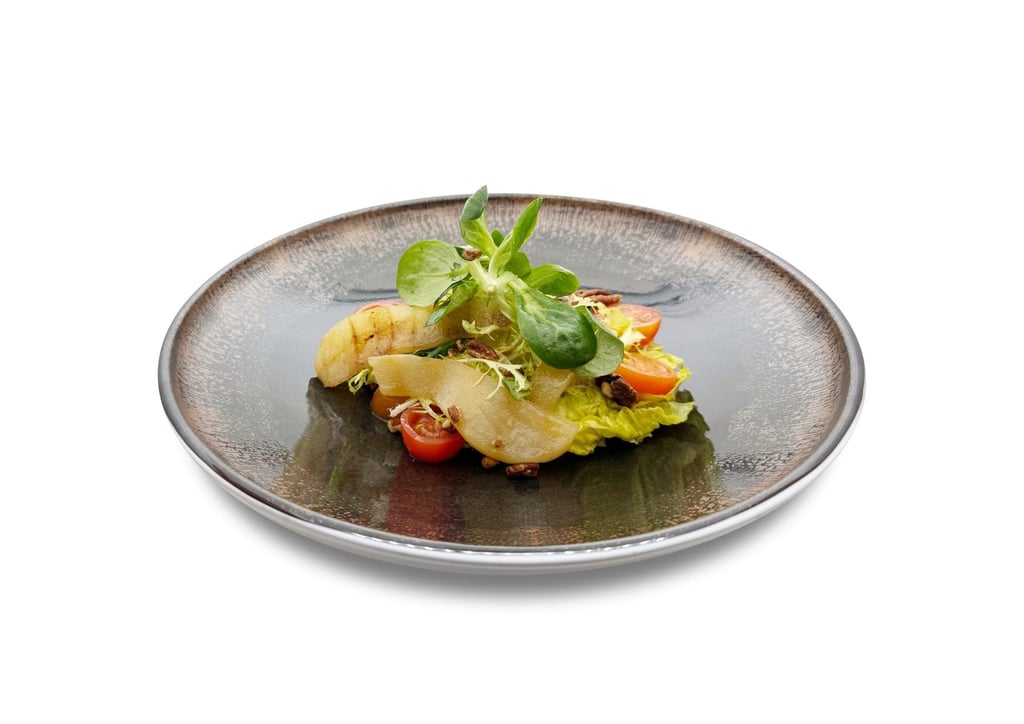
Meanwhile, executive chef Albert Tran at Vancouver’s Alouette Bistro also gets excited when it’s asparagus season. He likes to cook them simply to showcase the vegetable’s natural flavour.