Could an Astier de Villatte x Ikea collaboration be on the cards? The founders of the beloved rustic French design house on expanding in Asia and the brand’s future

- Benoît Astier de Villatte and Ivan Pericoli founded the distinctly vintage Parisian brand back in 1996, but now the big luxury conglomerates are coming knocking – and a succession ‘plan B’ is in the works
- Known for its handmade ceramics, furniture and accessories, Astier de Villatte has proved a big hit in Asia – with its first store outside France in Seoul, and plans for a Tokyo destination next
While a visit to the cabinet of curiosities-like shops of Astier de Villatte has become de rigueur for in-the-know travellers to the French capital, for the rest of us, the company is still a hidden gem waiting to be discovered.
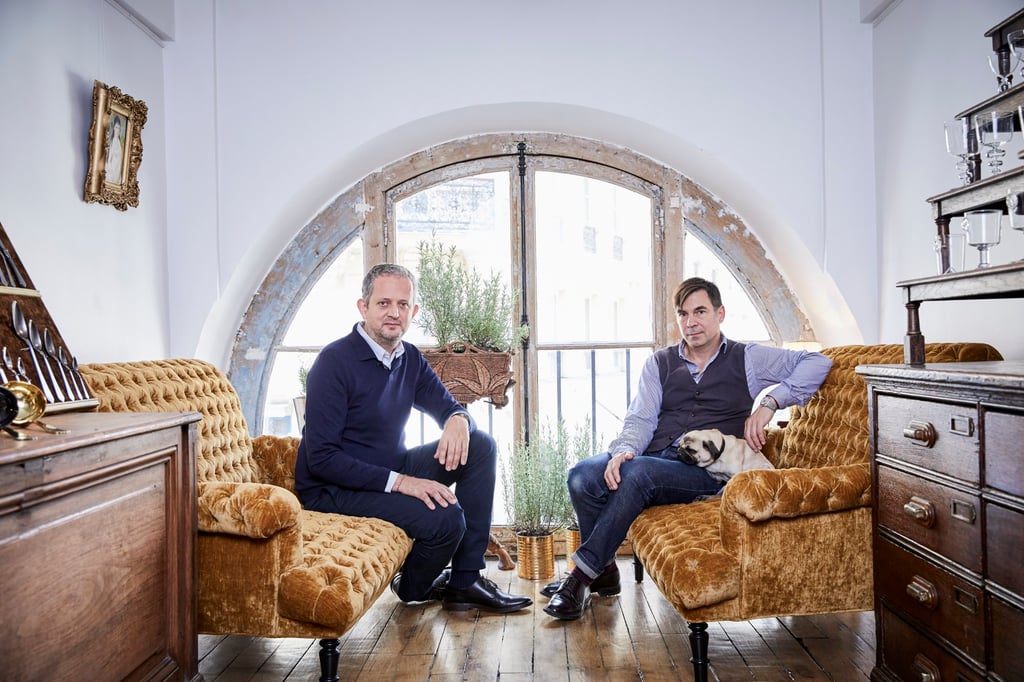
Known for its handmade ceramics with a vintage vibe, Astier de Villatte is the brainchild of Benoît Astier de Villatte and Ivan Pericoli, who founded the brand in 1996 after meeting as students at Paris’ prestigious Ecole Nationale Supérieure des Beaux-Arts. What started out as a small collection of ceramic creations such as mugs and plates, and a few pieces of furniture, has grown into an aesthetic series that now stretches to candles, fragrances and stationery.
Back when the duo established the company, the porcelain field was in the doldrums. “When we started, it was one of the most miserable industries,” says Pericoli, during a recent visit to Hong Kong to unveil a holiday-themed pop-up at department store Lane Crawford. “In Europe there used to be a huge tradition but all the factories were dying out. Back then [porcelain centre] Limoges and brands like Bernardaud were dead, and in Italy Ginori was also struggling. Nobody talked about these brands or ceramics even in places [with a long tradition] like the UK.”
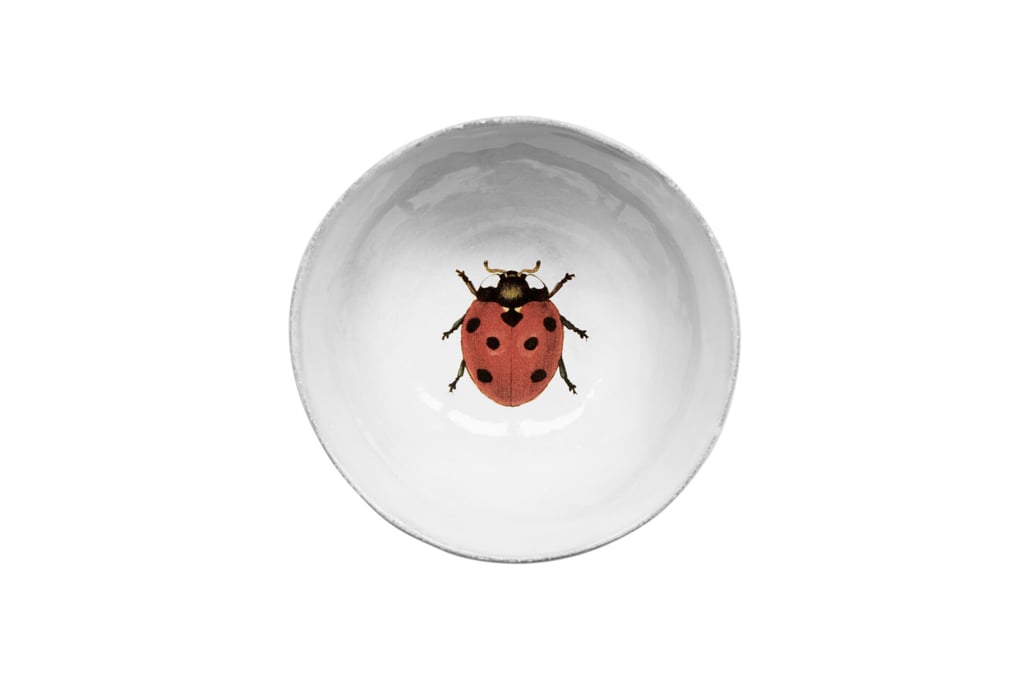
Things are very different now, with brands left and right offering homeware to appeal to luxury lovers who enjoy entertaining at home and showing off their #tablescapes on social media. What sets Astier de Villatte apart, however, is the imperfect beauty of its pieces. Take a closer look at one of their dishes or mugs and notice the little details that make it unique – whether it’s the vivid red of a ladybird painted on it or its four-leaf clover-shaped handle. Hold any of their vessels and you’ll feel how delicate they are: the material – black terracotta – is extremely lightweight yet sturdy, and often chipped and asymmetrical, exuding that slightly retro feel that make Astier de Villatte so special.
We want to show that instead of buying things that look standardised and like everything else you can create a space that’s unique and beautiful, and also better for the environment because it’s reclaimed
Pericoli explains that while they do not seek imperfection per se, it happens naturally when things are handmade. He points out that throughout history artisans have always aimed to make things look flawless, dismissing the appeal of those chance details that often show up when little mistakes happen. “Our objects have more soul than things that are industrially made,” says Pericoli. “But for centuries craftsmanship has been about hiding the hand and making everything look perfect – more in the West, and even nowadays [people] want everything to look like it’s been made by a machine and not to show the hand.”
Benoît points out that Astier de Villatte’s success in Asia – especially Japan, the first country to embrace the label – is perhaps due to the culture’s ability to see beauty in imperfection and to the brand’s strong connection to the past.
Pericoli and Benoît are staunch advocates of history and the preservation of long-forgotten crafts. Their ceramics are made by hand in a workshop in Paris, a rarity these days. They also acquired a printing press, the last in France to use lead typesetting, to make all their packaging and the books under the publishing arm of the company.
When they launched fragrances, they enlisted Dominique Ropion, “the best perfume maker in the history of fragrance”, and a fragrance historian to recreate scents based on ancient and long-lost formulations.