Getting ready to light scented candles for Christmas? Read this first

Candles, fireplaces, and incense and oil burners can add ambience and soothing scents – but they’re best enjoyed in moderation, experts say
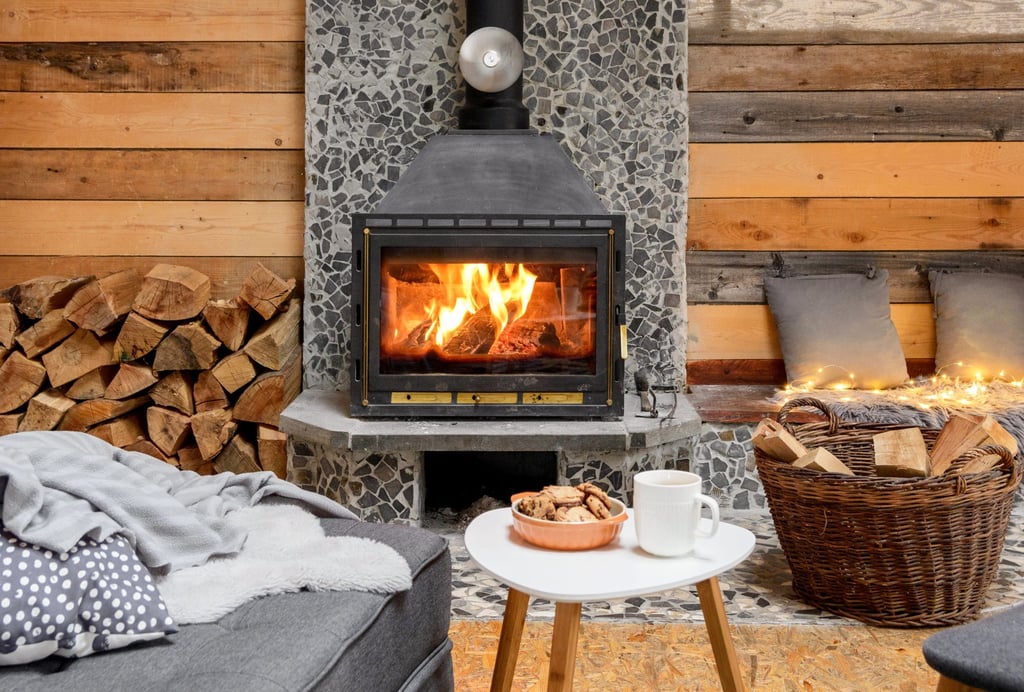
Burning scented products may create a cosy ambience – and in the case of fireplaces, provide light and heat – but some experts want people to consider how doing so contributes to the quality of the air indoors. All flames release chemicals that may cause allergy-like symptoms or contribute to long-term respiratory problems if they are inhaled in sufficient quantities.
“Clean air is fragrance free,” said McCormack, who has studied air quality and lung health for more than 20 years. “If having seasonal scents is part of your tradition or evokes feelings of nostalgia, maybe think about it in moderation.”
What to know about indoor air quality
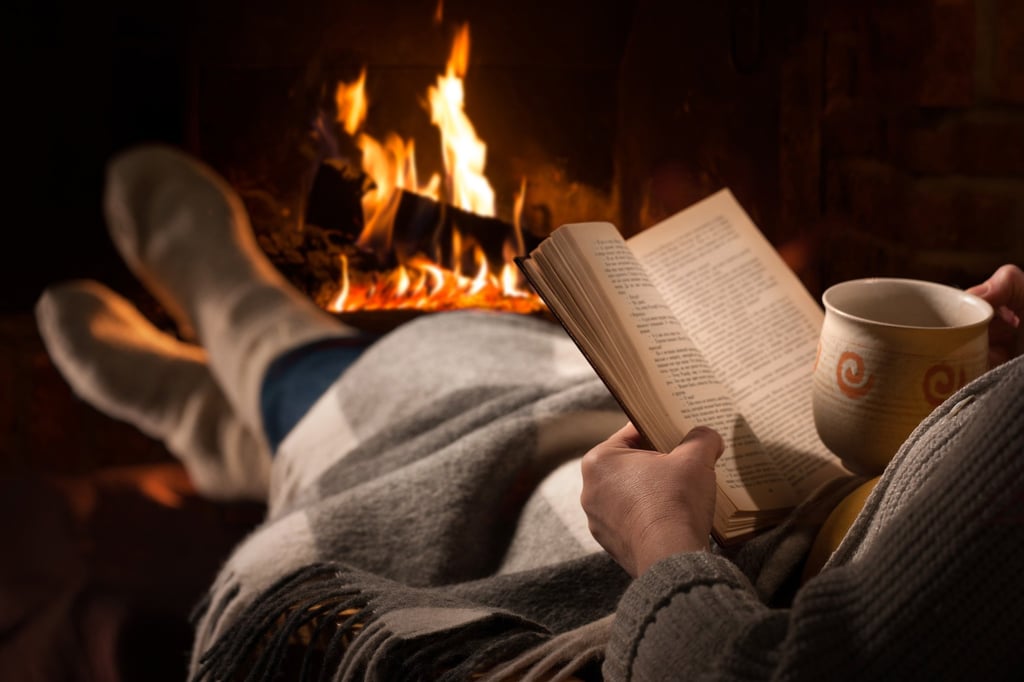
People in the northern hemisphere tend to spend more time indoors during the end-of-year holidays, when temperatures are colder. Indoor air can be significantly more polluted than outdoor air because pollutants get trapped inside and concentrated without proper ventilation or filtration, according to the American Lung Association.
For example, active fireplaces and gas appliances release tiny airborne particles that can get into the lungs and chemicals like nitrogen dioxide, a major component of smog, according to the US Environmental Protection Agency. Cleaning products, air-fresheners and candles also emit air pollutants at varying concentrations.
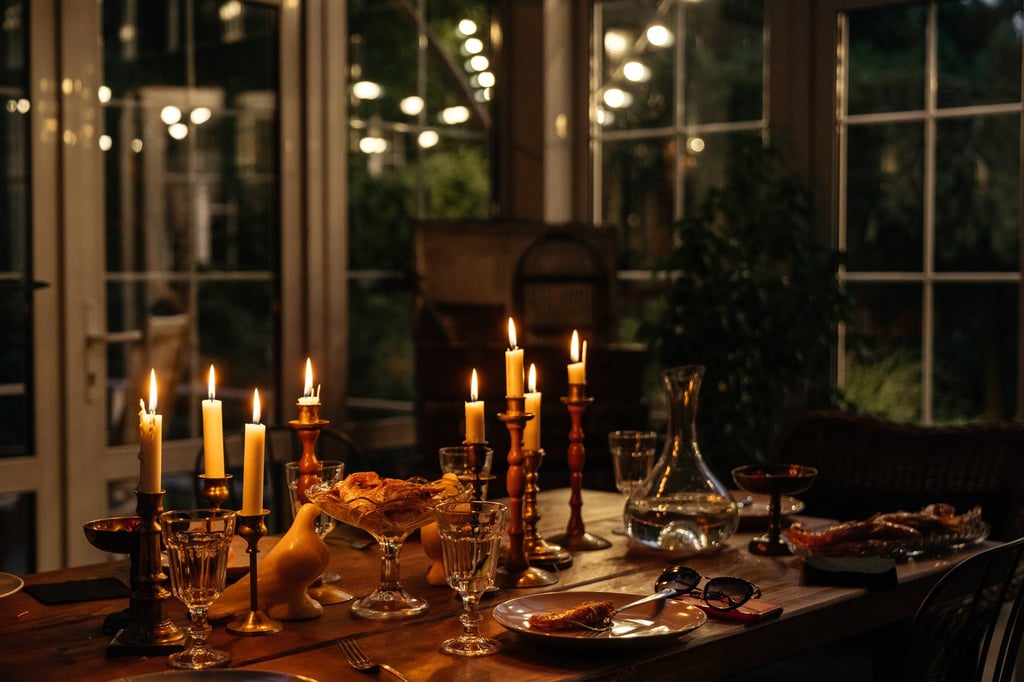
The risk fragrances and other air pollutants may pose to respiratory health depends on the source, the length and intensity of a person’s exposure, and individual health, McCormack said.
It is also important to note that some pollutants have no smell, so unscented products still can affect indoor air quality, experts say.