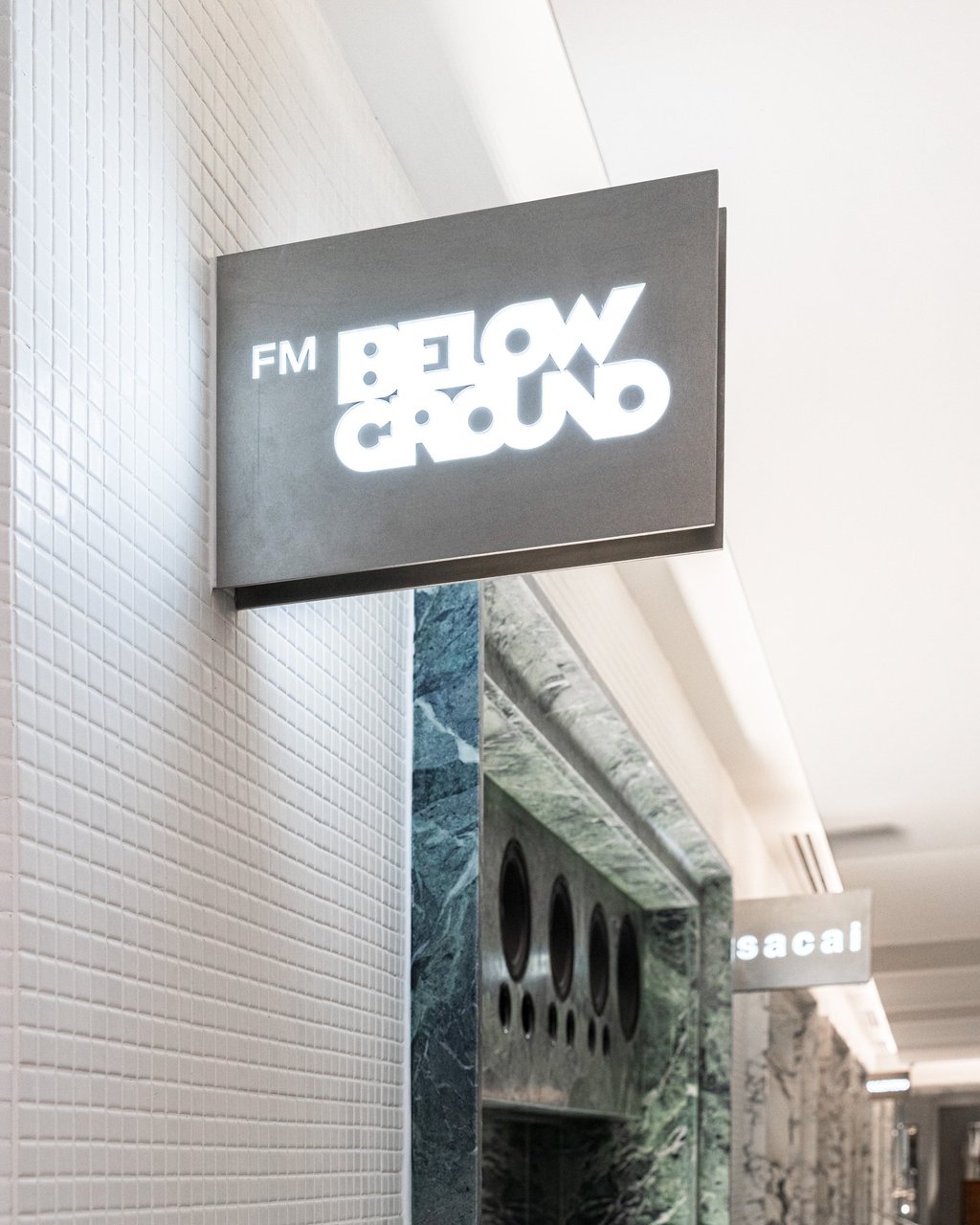
Belowground retail concept unveils a new look in Hong Kong as part of Landmark’s revamp

The upscale mall in Hong Kong’s Central district is undergoing a multimillion-dollar, three-year redevelopment for a new generation of shoppers
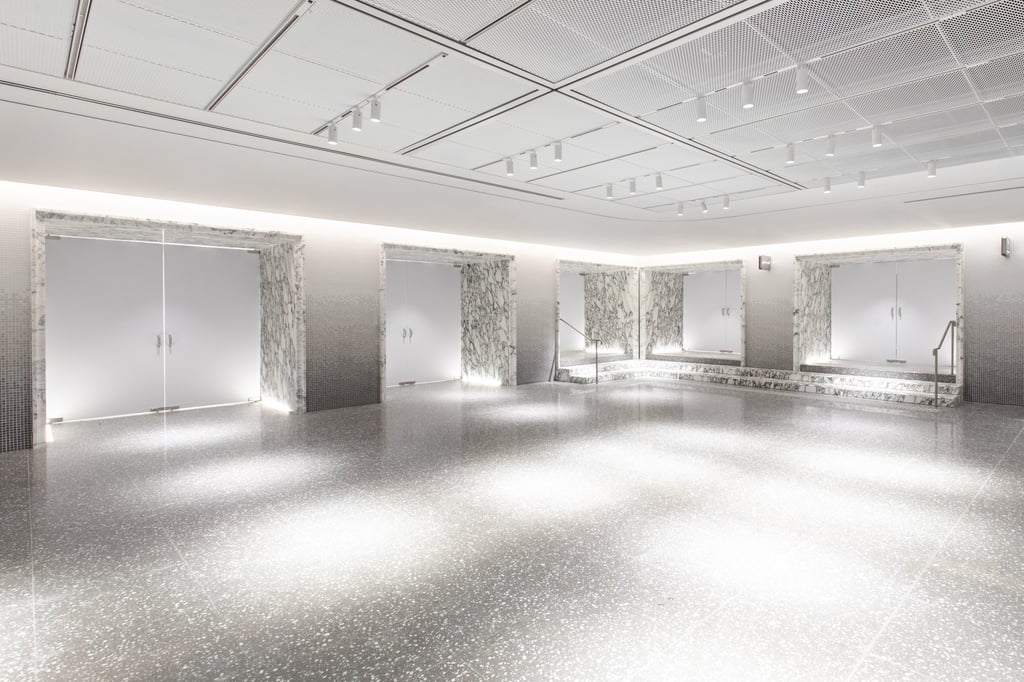
Belowground, a retail concept first introduced five years ago, has revealed a new look as part of the ongoing upgrade. Expanding from 5,800 sq ft to approximately 8,000 sq ft, the new space, located in the basement of the mall, stays true to Belowground’s original mission of bringing together culture, fashion, music and food under one roof.
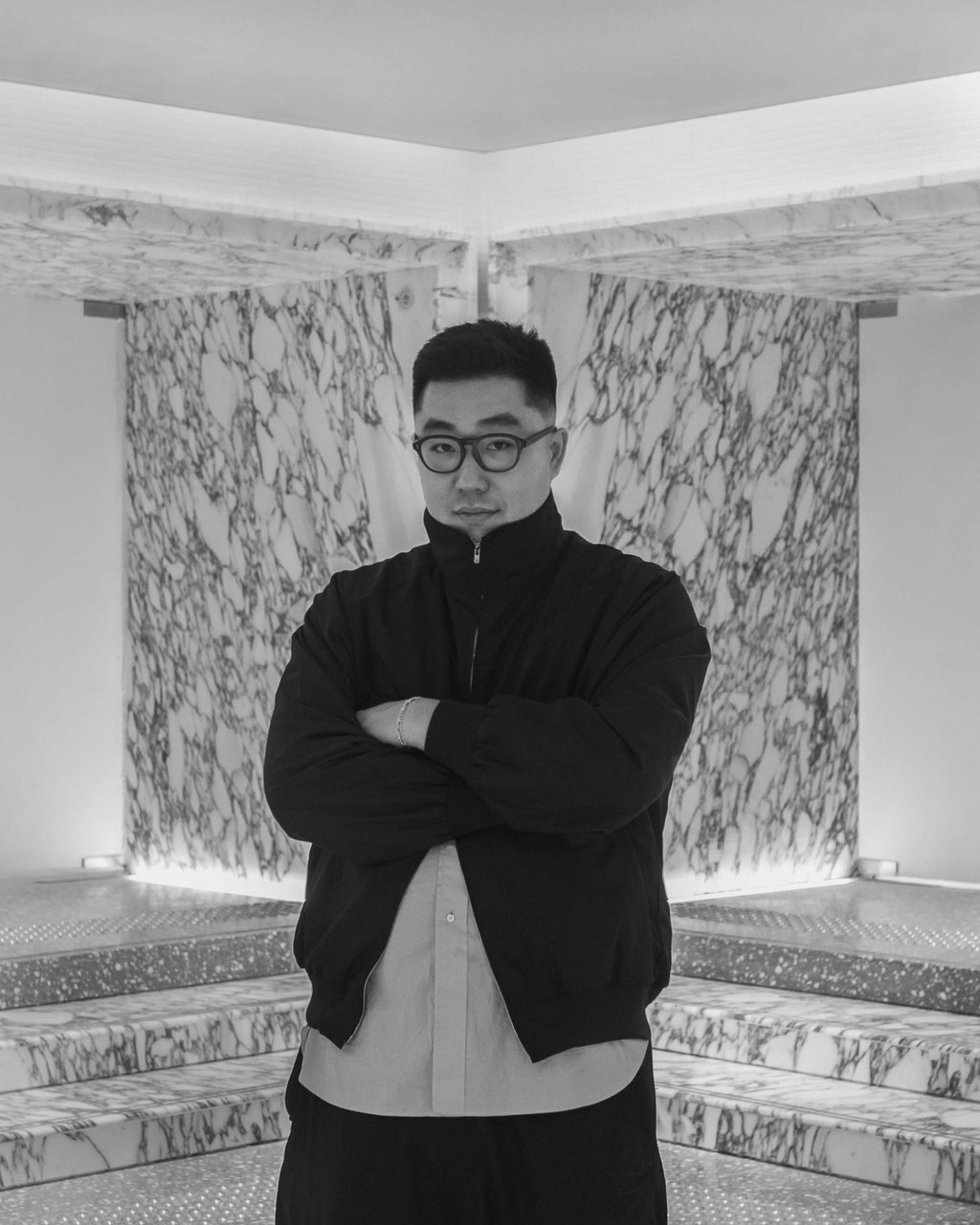
“We’ve been doing Belowground for the last five years and it’s been an experiment for us at Landmark, but we’re seeing more and more that this type of rotational space and short-term happenings are in demand in the market,” says Ryan Kwok, head of Belowground, in an interview on the day of the opening. “For us, this infrastructure enables future pop-ups and other retail happenings and is also an energy driver.”
One of Hong Kong’s top luxury malls, Landmark is known for its well-heeled clientele and its prestigious loyalty programme, Bespoke, which attracts high spenders who enjoy perks such as personalised shopping experiences.
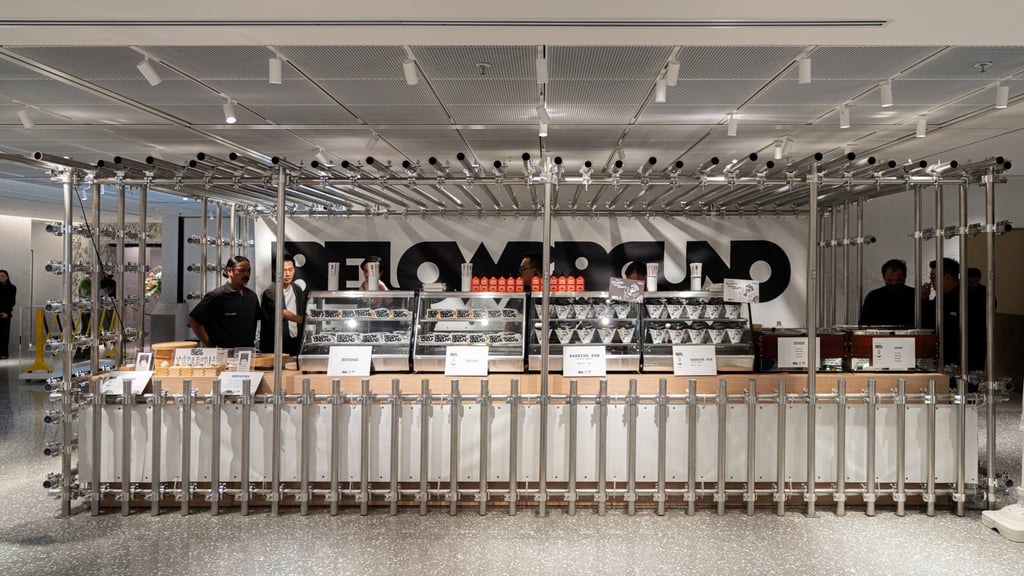
Belowground, with its focus on streetwear, is a bit of a departure from what luxury customers have come to expect from Landmark but as Kwok explains, the concept has been very well received, attracting a new demographic while also catering to long-time customers. “We want this younger clientele but are also creating new offerings for our older clientele and for their children,” says Kwok. “Landmark is a multi-generational space. We have customers who go for high tea upstairs and now their grandchildren are shopping with us so we want to make sure we have the right brands for them. It’s also a reaction to the demands of the market.”
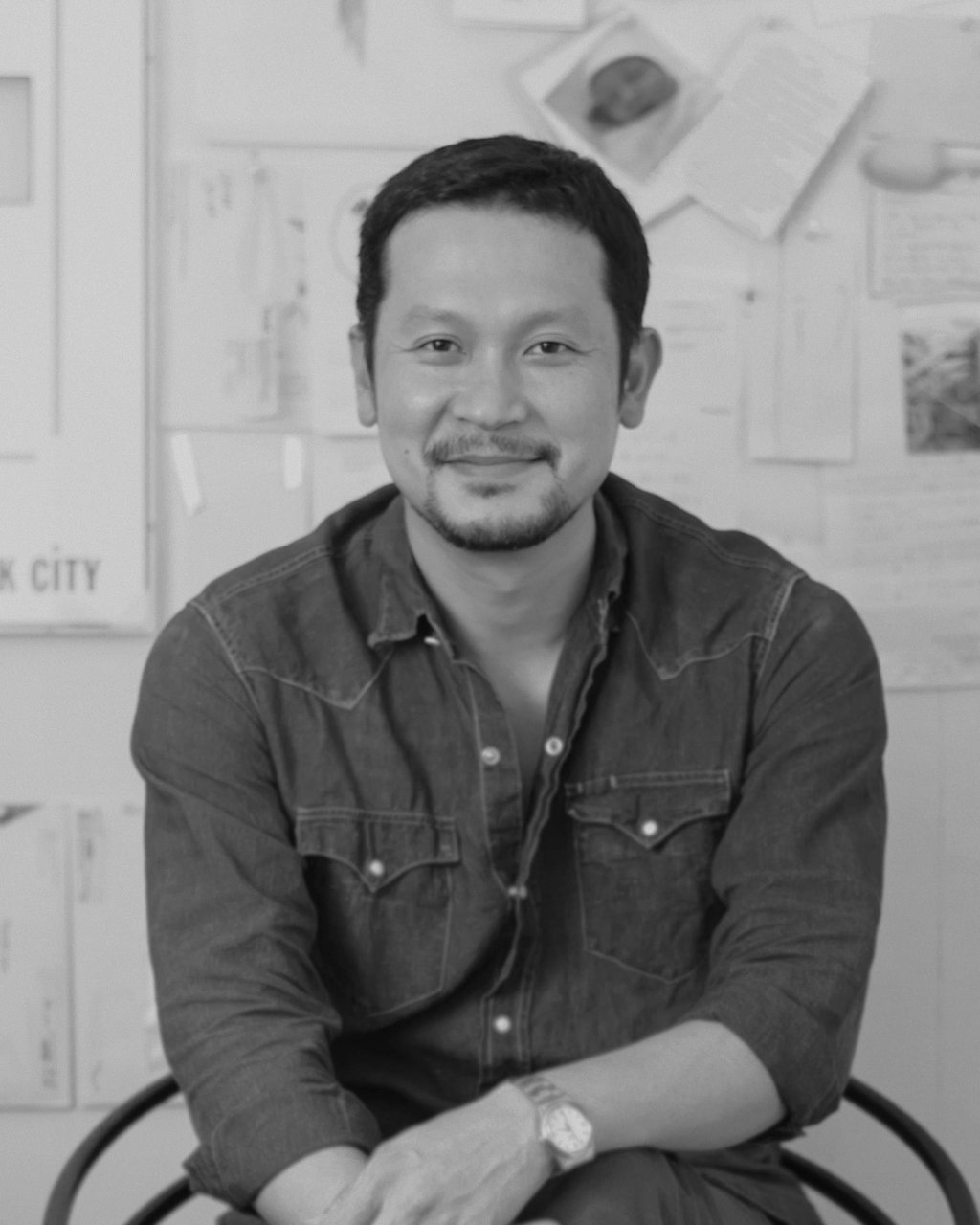
Tokyo-based designer Koichi Futatsumata of Case-Real is behind the interiors of the space, envisioned as a courtyard where people come together to connect with one another. He said that one of the inspirations for the design was Hong Kong’s metro system. “The metro is a very important aspect [of Hong Kong life],” says Futatsumata in an interview. “So I used materials like stone and stainless steel that are also used in the metro also because Belowground [literally] means ‘underground’ and I wanted to create a new space from that starting point.”