Style Edit: Macau’s Poly MGM Museum celebrates East-West cultural ties

The museum hosted the Silk Roads Cultural Exchange Programme 2026 and will debut the ‘Confluence in Glass’ exhibition later this year
Macau’s image is often defined by its huge casino developments, but with Baroque churches and Buddhist temples with Chinese-style tiled roofs standing side-by-side in its narrow backstreets, the former Portuguese colony also has a long history of serving as a crossroads where Chinese and Western cultures meet.
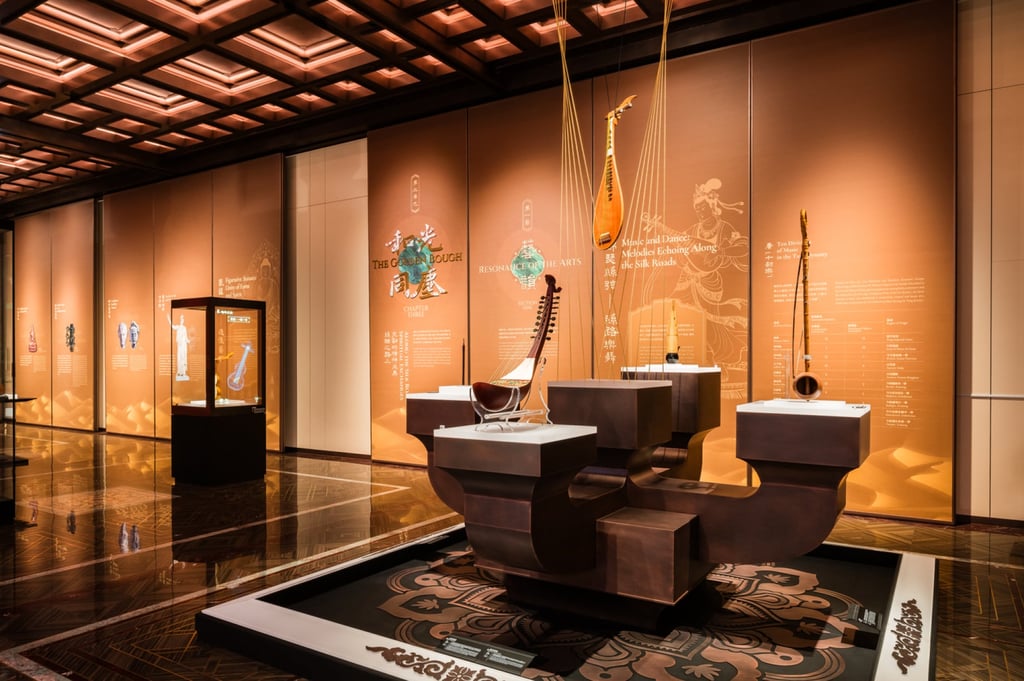
Building on that legacy as a historic port of trade, the Poly MGM Museum hosted its Silk Roads Cultural Exchange Programme 2026 on April 11, including the signing of memorandums of understanding with five institutions from Beijing, Xinjiang, Gansu, Shaanxi and Guangdong.
“These memorandums of understanding establish long-term collaboration in exhibitions, academic research, resource sharing and talent development,” MGM said in a statement. Two forums that highlighted mutual learning and cultural innovation were also held at the event with experts and scholars from various Chinese provinces, as well as from Italy and Portugal, contributing their perspectives.
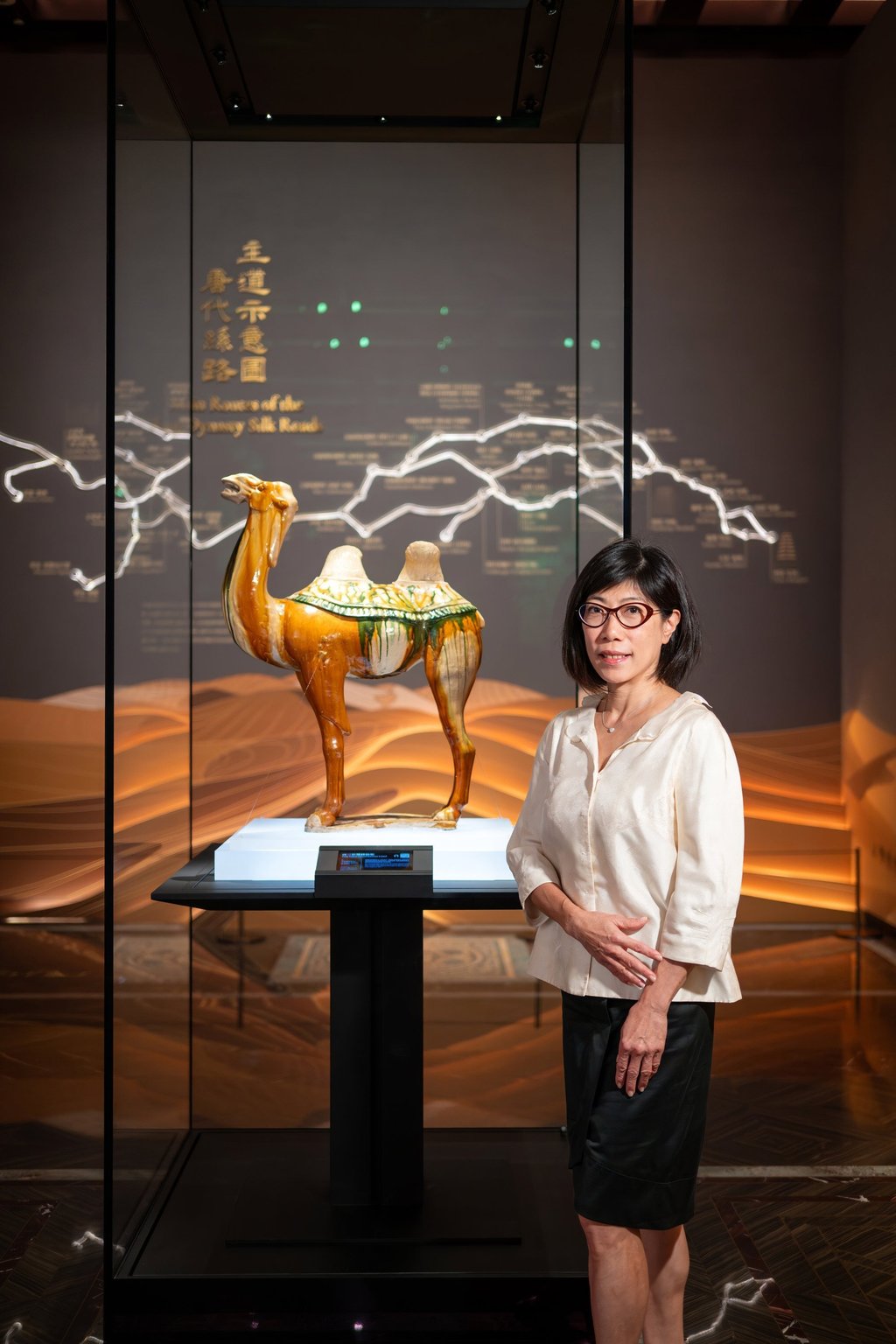
In addition, the museum announced an upcoming exhibition set to debut in the fourth quarter, “Confluence in Glass: East-West Artistry Across Time”, presented in collaboration with the National Museum of China and Shandong’s Zibo Ceramic and Glass Museum. It will feature more than 180 works tracing three millennia of Chinese Zibo glassmaking craftsmanship.
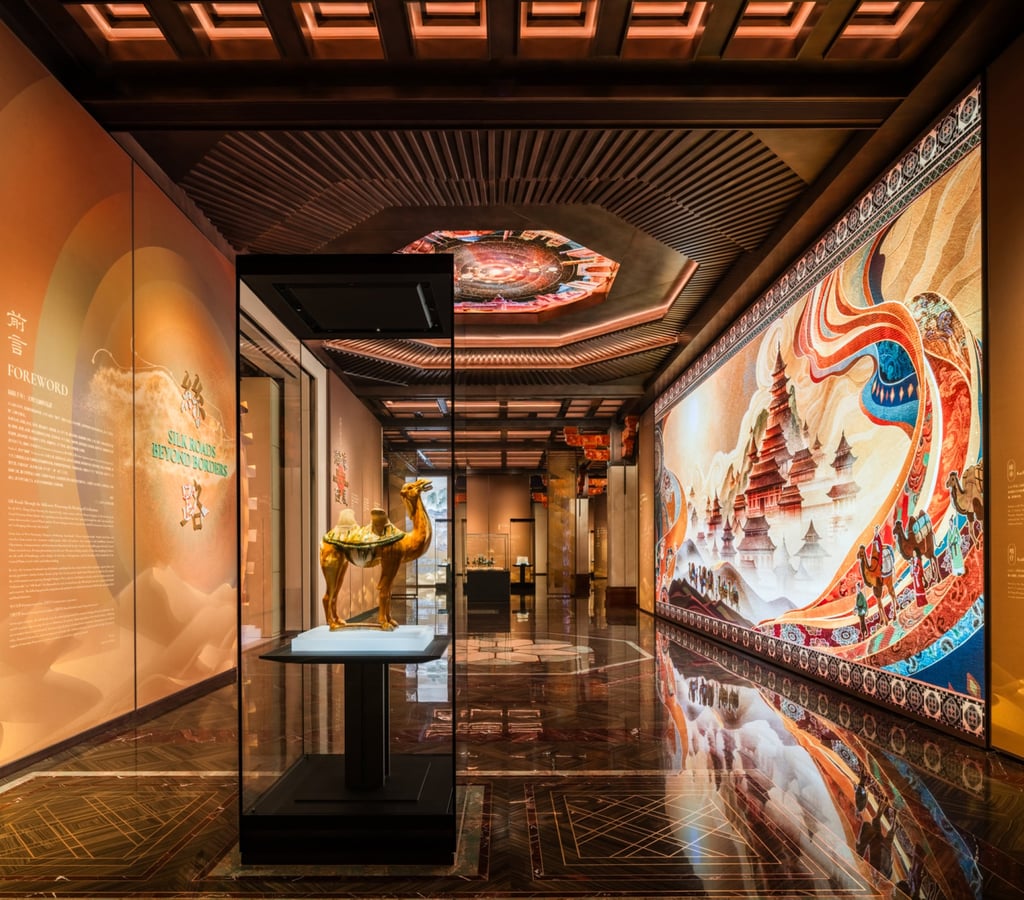
“Visitors will encounter carefully considered juxtapositions where Eastern and Western glass pieces are placed side-by-side, revealing both contrasts in aesthetic language and shared mastery of technique,” explains Cristina Kuok, senior vice-president of arts and culture at MGM Macau.
Its ongoing “Silk Roads Beyond Borders” exhibition, which opened in October 2025, will also expand with the addition of a rare Persian carpet on loan from a Portuguese museum, as well as works by Venetian School masters Giovanni Antonio Canal, better known as Canaletto, and Michele Marieschi, both on loan from The Paolo and Carolina Zani Foundation of Art and Culture in Brescia, Italy.
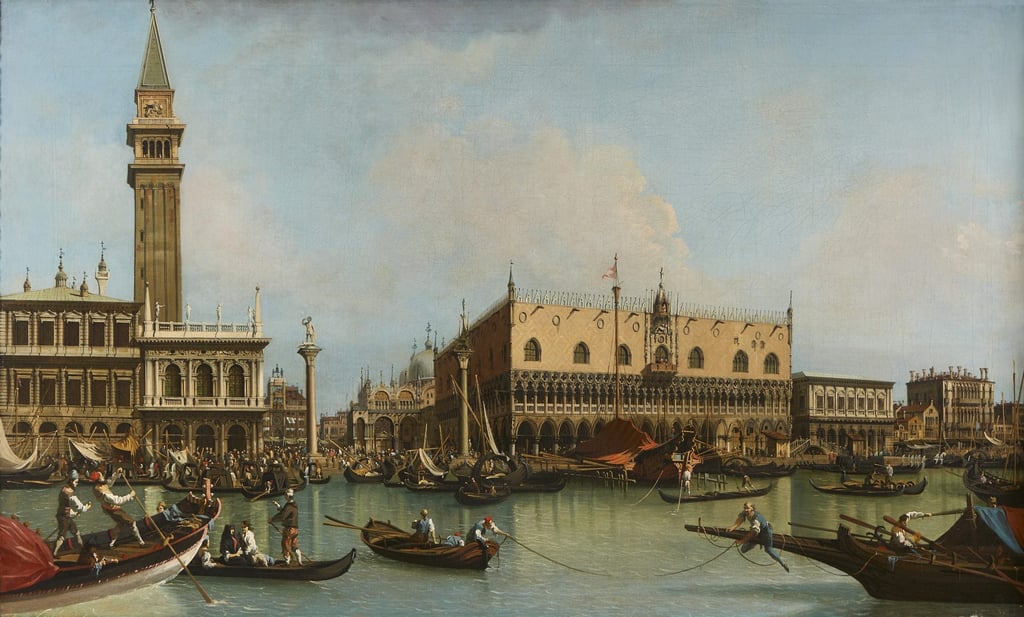
Canaletto’s The Molo, Venice, from the Bacino di San Marco depicts the Venetian waterfront, including a bronze winged lion, the emblem of the city, standing atop a pillar in St Mark’s Square.