Meet Rick Dick, the AI artist blurring reality with playful and provocative imagery – interview

The 30-something Italian’s works, like his mock American Vogue cover and Met Gala fashion imagery, have drawn approval from his Instagram followers
Scrolling Instagram these days, you’re bound to find one or two posts that make you pause and second-guess reality every now and then. AI, whether through heavily fine-tuned and retouched hyperrealistic images you’d mistake for the real thing or hastily made surrealist slop generated by video apps like Sora, has taken over our feeds. The gap between too-real-to-be-true and wacky, somewhat nonsensical clickbait, however, is where AI artist Rick Dick operates. At once playful and provocative, his images pander both to the tasteful point of view so familiar to high fashion editorials and brand campaigns, and the more banal, sometimes predictable, always chronically online internet user behaviour driven by pop culture trends.
“The intention wasn’t simply to provoke, but to reflect on how certain figures in fashion have become almost contemporary archetypes,” Rick, a 30-something Italian from Tuscany who remains anonymous otherwise, tells me over email. Like the name “Rick Dick” itself, he says his art is meant to incite bewilderment with a dash of if-you-know-you-know humour. “I liked the contrast between a name that sounded ironic and imagery that could still feel visually refined or cinematic,” he adds. Like the cover it emulates, Rick’s version is an image that seems destined for instant virality, even if the underlying storyline has been altered ever so slightly. He calls it “essentially a meme – but one built through knowledge of fashion culture and its visual mythology”.
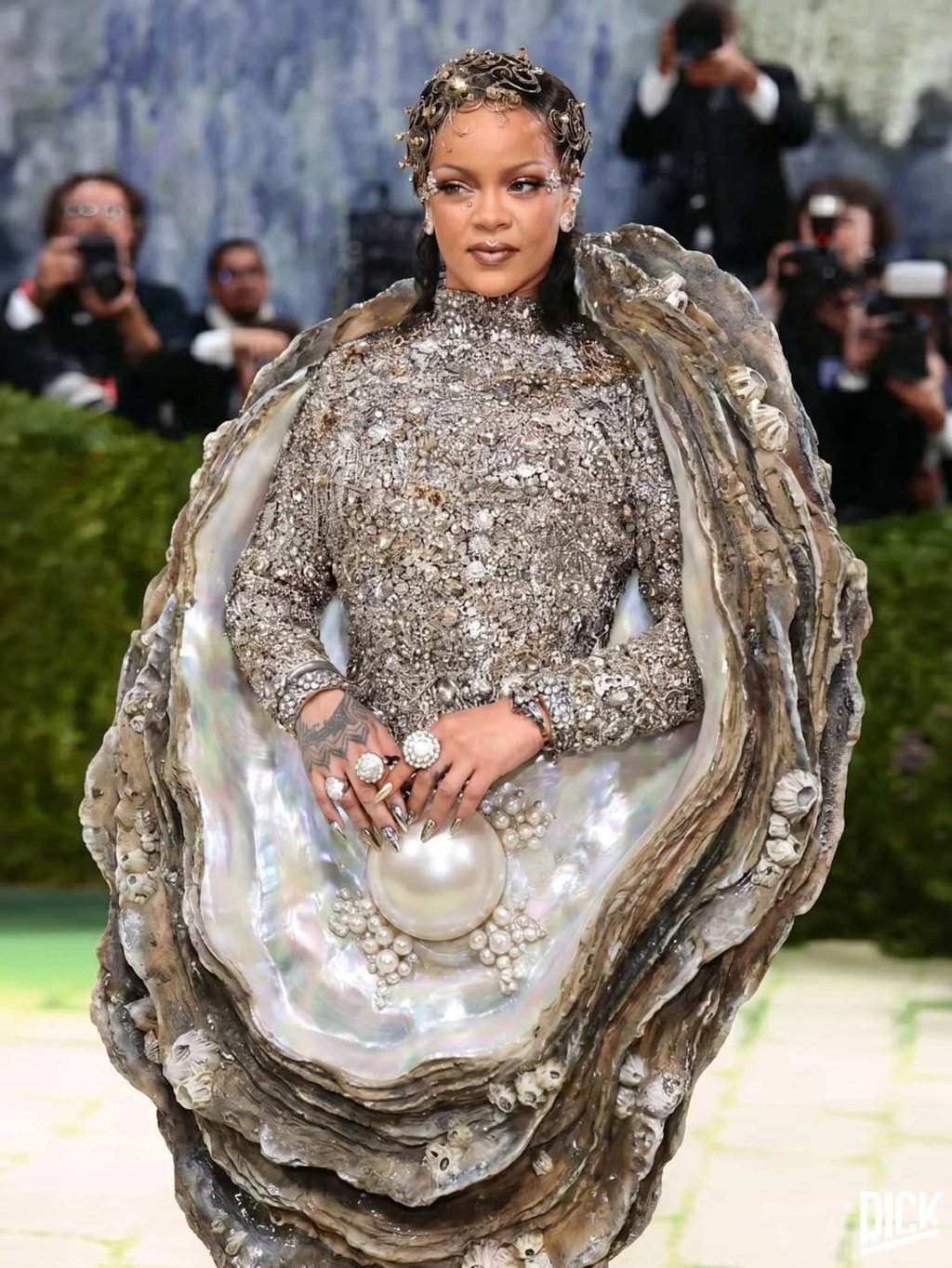
As Rick himself explains, “Provocation becomes interesting when it reveals something deeper about culture, taste, identity or perception.” And if his work has done anything, it’s expose how and why people have always felt oddly invested in, and have aspired to, the lofty world of fashion and celebrity in the first place. It’s always been about allowing yourself to indulge in a fantasy. Only now, technology like social media and AI has made that world more accessible and fast-paced, for better or worse – “a collective fantasy”, as Rick says, which unfolds in real time.
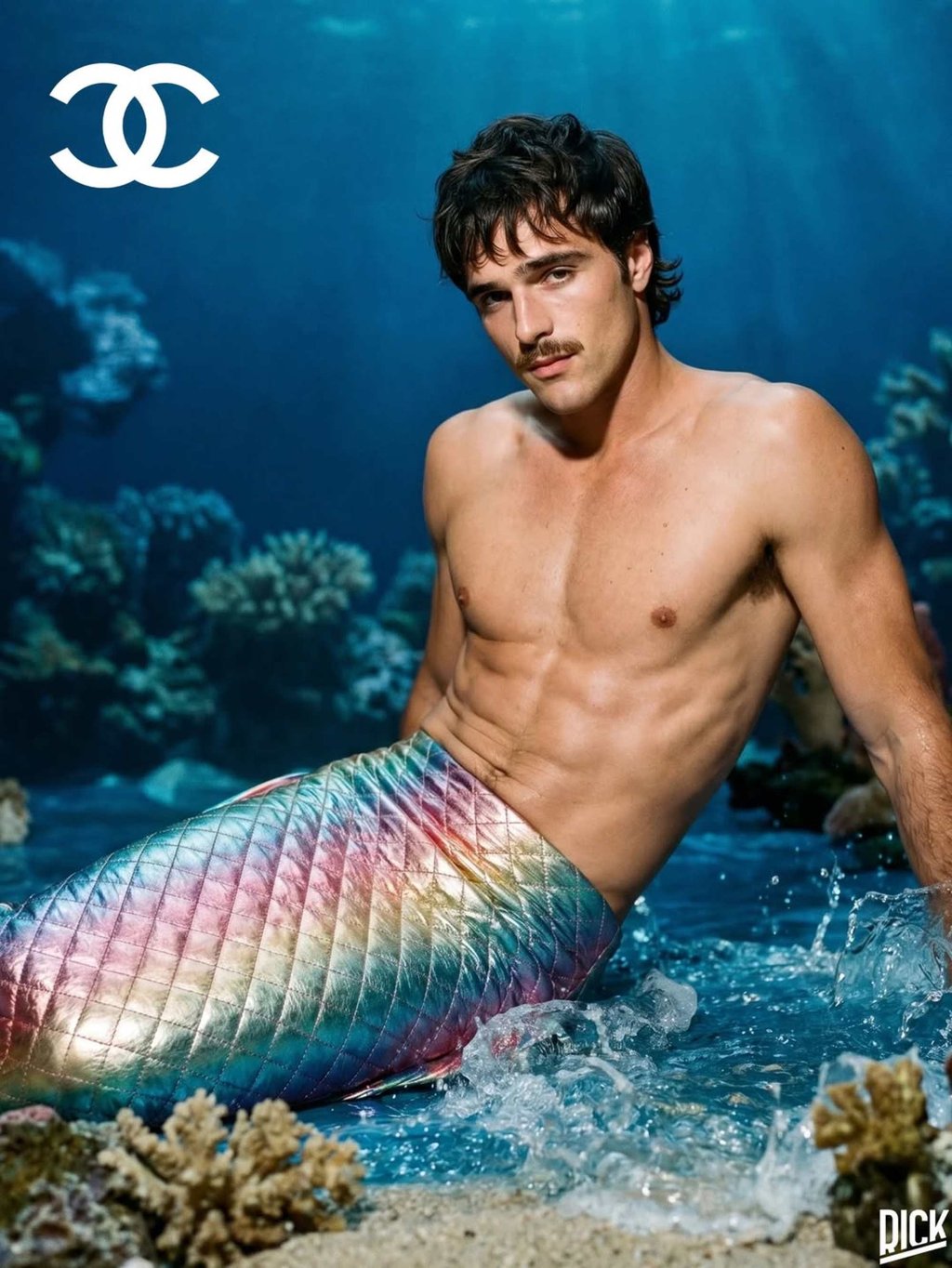
Rick, for his part, isn’t interested in merely rage-baiting his followers, and still strives for content with meaning – what he calls “images that feel emotionally believable, culturally real, even when they’re visually absurd or impossible”. “Rage-bait,” he continues, “usually feels empty to me because the goal is only attention.” It’s quite the bold statement coming from an artist who’s chosen perhaps the most controversial medium of our times to work in. Perhaps that explains why his images, uncanny and unsettling as they can be, still manage to keep our eyes glued to our screens against, or perhaps in spite of, our better judgment. “Good art should create tension or reaction, but not necessarily outrage,” he adds.