Review / How the Osaka and Kyoto Ritz-Carltons blend classic luxury with Japanese tradition

The Ritz-Carlton Osaka in the busy Umeda district is opulent, while the tranquil Kyoto property reflects the vibe of Japan’s cultural capital
Whenever I visit a new destination, I am always in two minds when it comes to booking a hotel.
On the one hand, I want the familiar – the unapologetically indulgent trappings of luxury travel. In my experience, that means a classically Western style. Give me the marble and brass, mahogany and velvet. After a long day spent exploring new lands, I yearn to return to the comfort of a timeless, brand-scented lobby.
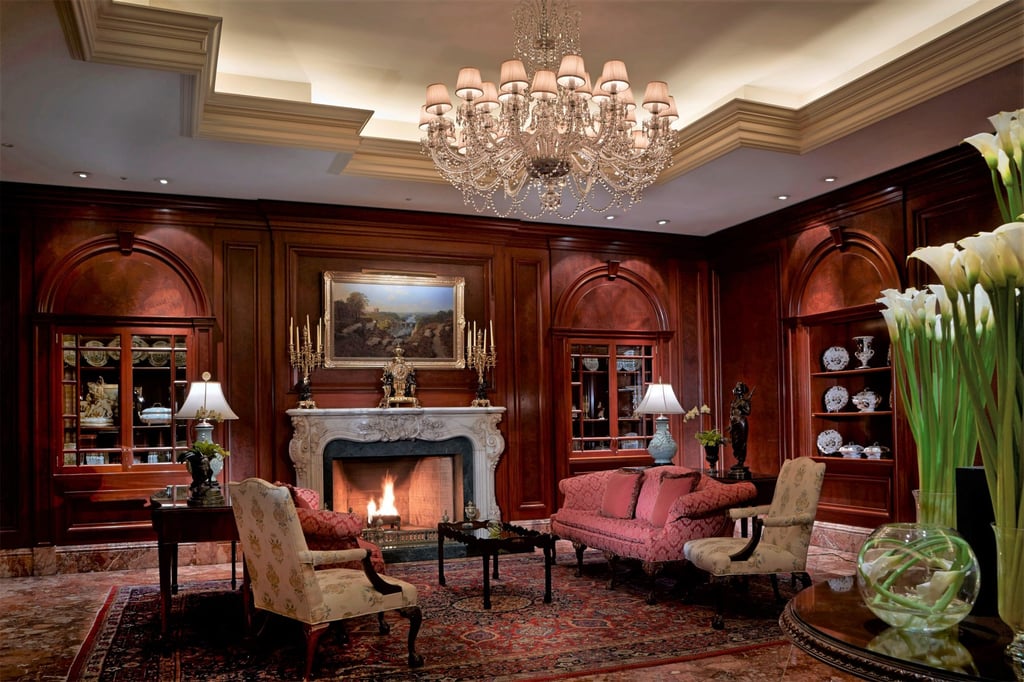
The Osaka property is located in the city’s Umeda district, a bustling business and shopping hub. Taking its cue from César Ritz’s late 19th‑ and early 20th‑century grand hotels in London and Paris, the hotel is opulent indeed. It opened in May 1997 as the first Ritz-Carlton hotel in Japan, and a 2024 renovation has modernised the amenities in the almost 300 rooms while maintaining the classic European style that is particularly popular with domestic travellers.
Contributing to the sense of timeless grandeur is around 450 works of art, most of which are oil paintings, and interiors in an 18th-century English style. The hotel’s restaurants are also true to the theme, with Michelin-starred French restaurant La Baie and Italian restaurant Splendido both leaning into classics and culinary tradition.
The hotel’s Japanese restaurant Hanagatami is organised into five areas, each with its own menu dedicated to a different facet of Japanese culinary culture: sushi, charcoal grill, kaiseki, teppanyaki and tempura. During my trip, the now-ended Flavors in Transit menu brought chefs from all five kitchens together to present a unique tasting menu inspired by railway station bento boxes. In the city known as the “kitchen of Japan”, Hanagatami offers guests the opportunity to tour the pantry without ever leaving the building.
The hotel’s Club Lounge also offers guests opportunities to explore Japanese cultural traditions, with daily Japanese tea ceremonies led by expert tea masters and interactive workshops teaching the Japanese art of furoshiki, wrapping gifts in cloth.
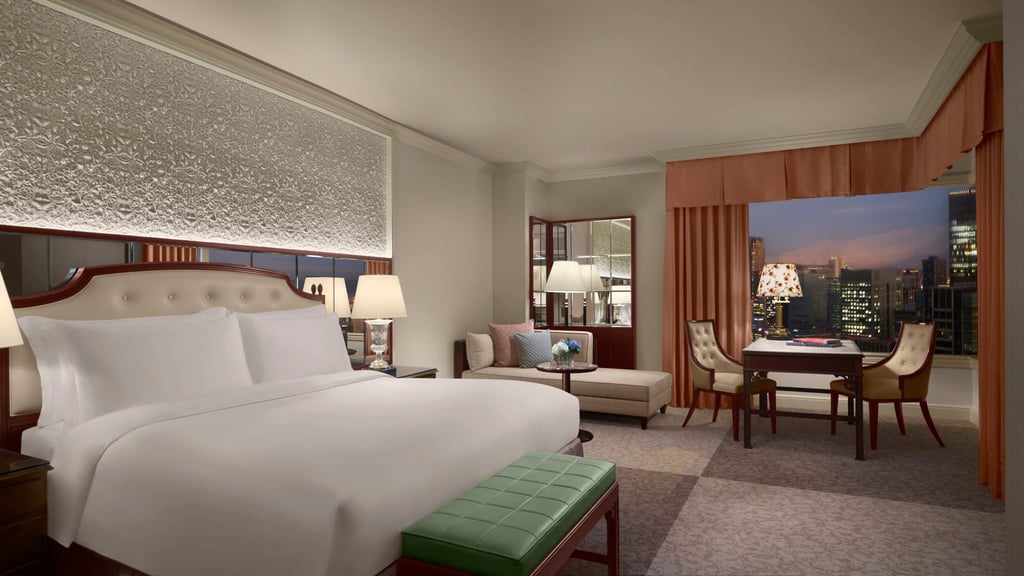
Neighbouring Kyoto is just 15 minutes away from Osaka by bullet train, but the smaller city couldn’t feel more different from the commercial energy of Osaka. Kyoto’s Ritz-Carlton property offers a similar departure in style and tone.