Dolce & Gabbana’s pizza with chopsticks, Prada’s blackface monkeys: how fashion woke up to its diversity problem in 2019

It took some epic fails – Dolce & Gabbana’s infamous pizza with chopsticks ad, Prada’s blackface monkeys – for the fashion industry to finally face up to its diversity problem, but now the race towards inclusion is officially on
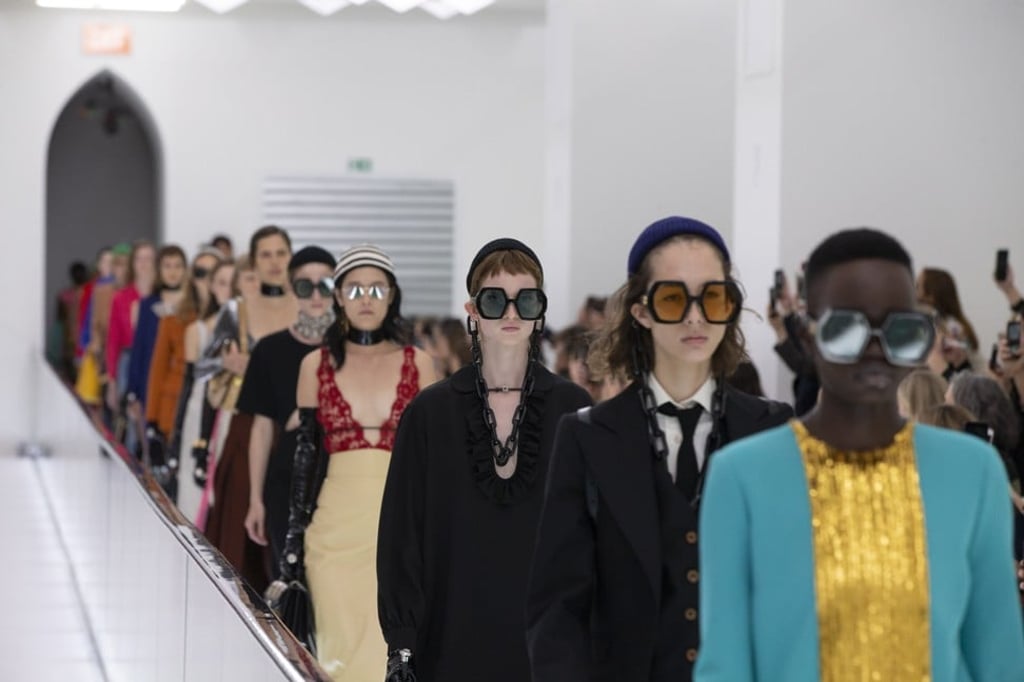
Fashion’s reckoning over the lack of diversity has reached a tipping point, it seems. This year alone, top-tier fashion houses including Prada, Gucci, Chanel and Burberry have all made massive headway in moving their diversity and inclusion agendas forward.
And rightly so, considering recent luxury headlines. A growing number of brands have found themselves in the hot seat following unfortunate racial or cultural missteps.
From Dolce & Gabbana’s tone-deaf advert featuring a model eating pizza with chopsticks to Prada’s blackface monkeys, these blunders have led to widespread criticism, battered reputations and significant loss in wallet share.
“It’s interesting – we can speculate whether they [luxury brands] would do this if something hadn’t happened, but here we are,” says Kimberly Jenkins, a lecturer in fashion and race at New York’s Parsons School of Design.
It clearly pays to be diverse. A 2018 Accenture study revealed that companies who reported the highest levels of racial diversity brought in 15 times the sales revenue than those who represented the lowest levels of racial diversity. Meanwhile, a Columbia Business School study focused on expatriate creative directors found that international and intercultural exposure helps fashion businesses as the uniqueness in their cultural experiences brings positive effects to the creative process.
“Miseducation within companies when it comes to iconography, language, people of colour and how they’re represented have led to big brands making major mistakes, so, this is pointing to progress,” Jenkins explains. “Progress is good when we see it reaching the luxury level.”
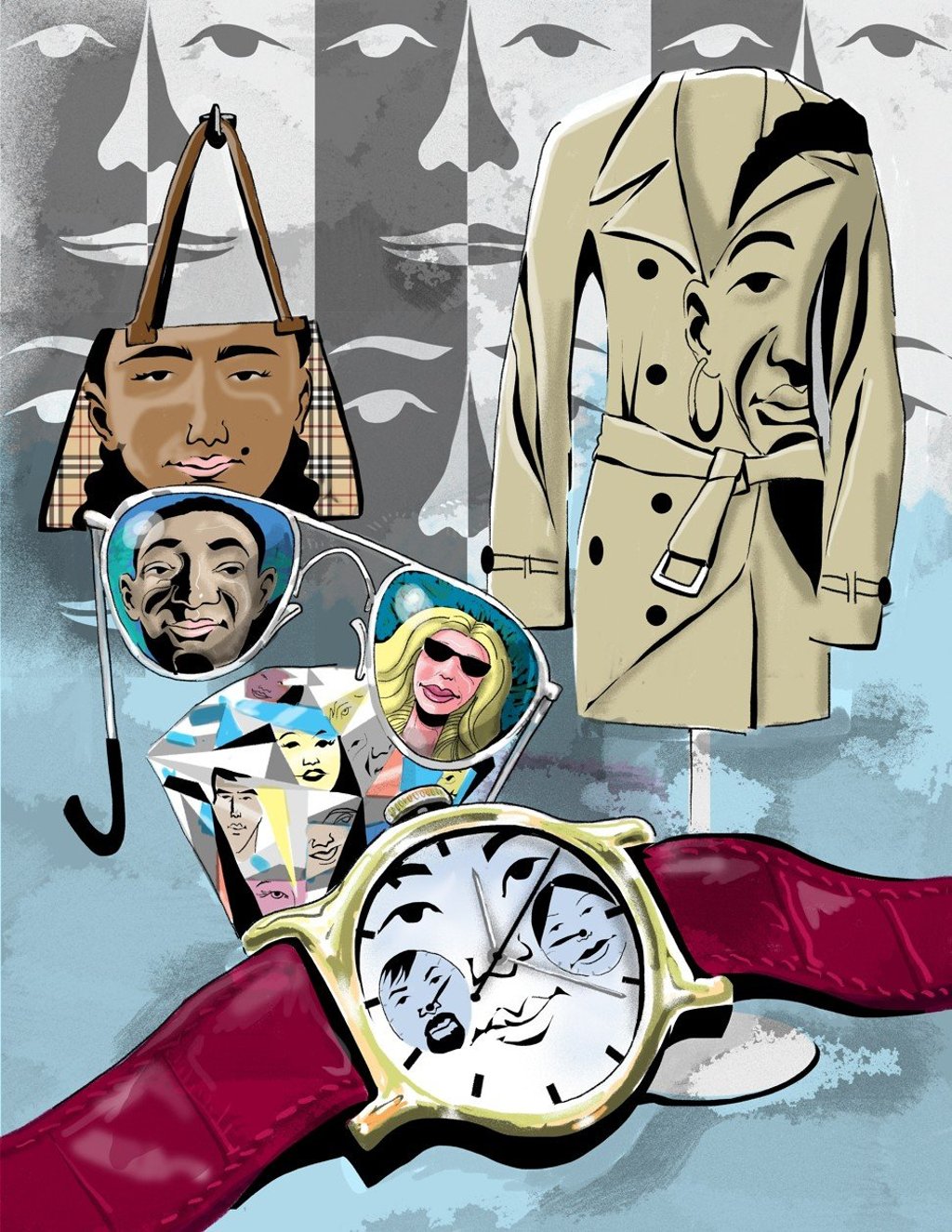
And while this slew of diversified hires may help mitigate outward-facing slip-ups, fashion still has a coast full of cliffs to climb.
The imbalance in luxury fashion’s corporate culture is prevalent, represented by a lacking of diversity at the highest levels of leadership. Glaringly white, under-represented and marginalised cohorts struggle to access luxury’s higher ranks.
It’s important to have people of colour in power-broking roles
“Many of these luxury brands don’t have a problem employing people of colour on the retail level,” Jenkins says, “but it’s so important to have them in these power-broking roles so that those on the lower levels of the chain can see themselves in the executive strata of the company.”