Luxury brands are ditching KOLs for virtual influencers in China: how Alexander McQueen, Dior and Prada are turning to digital avatars and AI idols to woo millennials

- 1990s anime-inspired fictional vocaloids led to newer models like Japan’s Hatsune Miku and China’s Luo Tianyi, with Dior creating Angelababy 3.0
- Dress your Taobao avatar in Hugo Boss, Alexander McQueen and Net-a-Porter and share on Bilibili; follow Noonoouri on Tmall and outfit Aimèe in Prada and Miu Miu
The year 2020 was a momentous one for us all, and that goes for luxury fashion, too. Amid the global pandemic, the industry faced a moment of reckoning with its digital dimension. As brands reshaped their offering to embrace the online world, their approach to influence and engagement had to change in step.
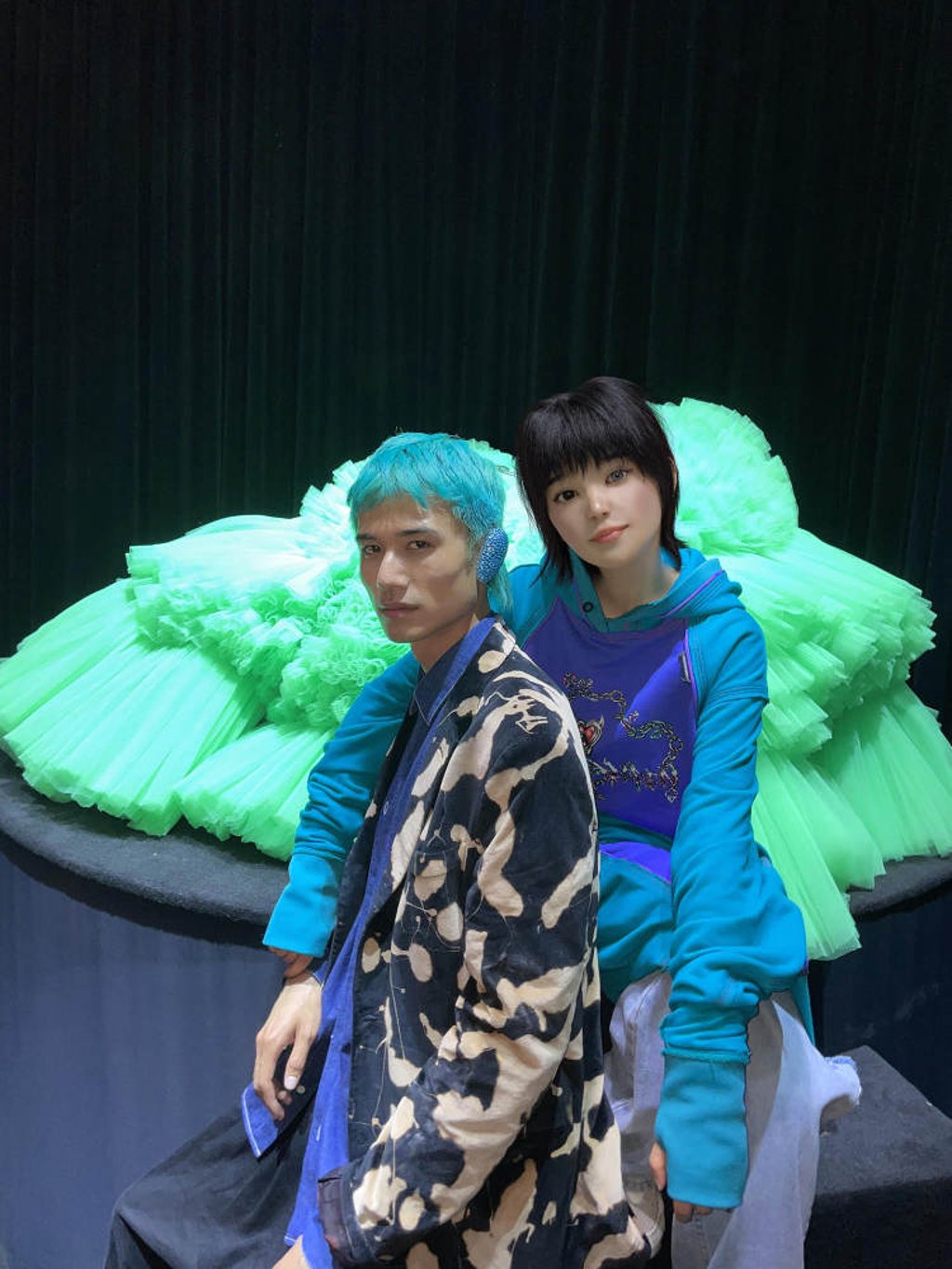
In China, these synthesised humans are attracting record traffic and raking in record revenues, giving real-life influencers a run for their money. The country’s virtual idol industry was worth less than 100 million yuan (US$15.5 million) in 2018, but with increased investment behind it, is expected to grow to as much as 1.5 billion yuan by 2023, according to Newsijie.
“We’re stepping into the age of a hyperconnected metaverse and virtual humans unlock a completely new dimension of possibilities,” says Reggie Ba-Pe, the Australia-based Burmese co-founder of entertainment agency Club Media. “These avatars will be the vehicle that transports us through these realms.”
This growing phenomenon is rooted in the anime subculture from Japan and dates back to the 90s and “fictional vocaloid” stars such as Lynn Minmay and Kyoko Date – virtual anime characters that used synthesiser software for their voices. More recently, Japan’s Hatsune Miku and China’s Luo Tianyi have used more capable software to build on these beginnings. Both idols have millions of fans and have fronted holographic-style concerts in sold out arenas.
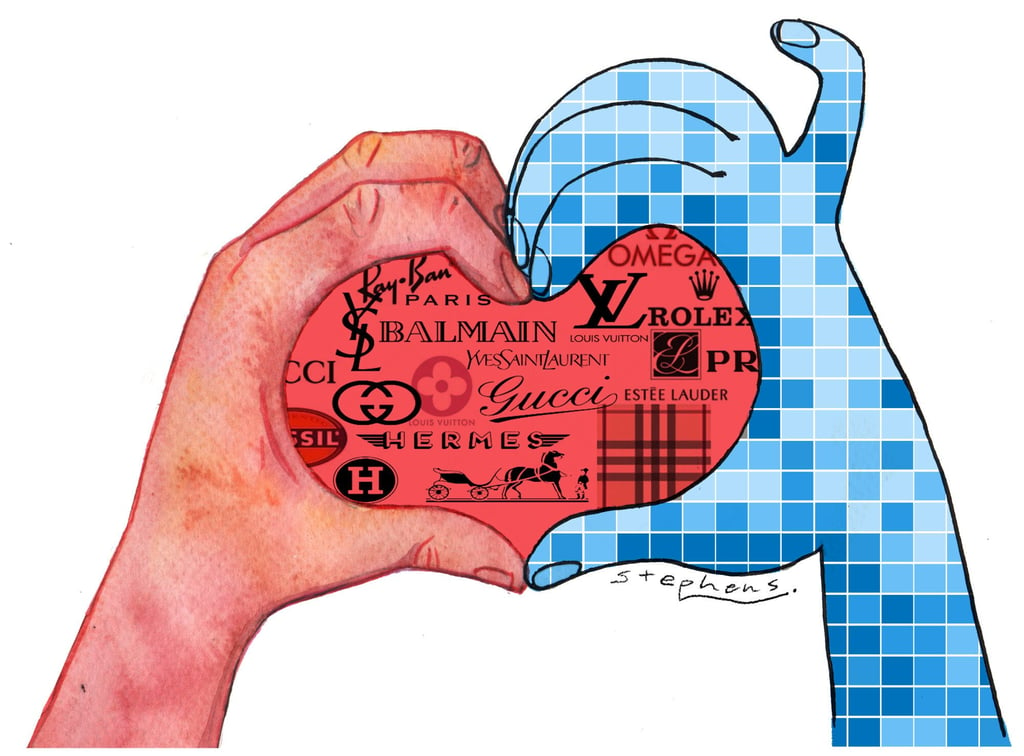
Making their way from music to fashion, virtual idols are paving the way for mixed reality initiatives, increasingly appealing to younger, digitally native consumers. Taobao and Tmall have both leveraged Miku and Luo to enhance their shopping and live-stream events.
Understandably so, for virtual influencers are said by experts to have three times the engagement rate of human influencers, and Chinese video platform Bilibili has reported a 225 per cent increase in monthly average viewing times of virtual idol live-streams, between January and October 2020.
“Virtual influencers are extremely popular among younger fans and in particular Gen Z consumers who are curious to experiment and try new things,” explains Mei Chen, Alibaba Group’s head of fashion and luxury for the UK, Spain and Northern Europe at (Alibaba is the owner of South China Morning Post).
In 2019, the tech giant’s dedicated platform for luxury brands, Tmall Luxury Pavilion, partnered with virtual influencer Noonoouri on a game where users could follow the digital model’s adventures around the globe and earn points by interacting with her. “Working with virtual influencers enables brands to connect with audiences in a new and interesting way and creates greater opportunities for interaction with fans,” Chen affirms.