In a new Cartier exhibition, London’s V&A explores the French maison’s jewellery legacy, focusing on the influence of the founder’s 3 grandsons, who took the brand global

The wide-ranging exhibition explores Cartier’s influence on society when the brand was led by Louis, Pierre and Jacques, and includes pieces from the Royal Collection
A dazzling new exhibition of jewels exploring the complex and multifaceted history of Cartier is opening at London’s Victoria and Albert Museum (V&A). It’s the first show in Britain dedicated to Cartier jewels in almost 30 years and illustrates how the French maison’s radical, inspired, decorative and exotic designs influenced the changing tastes of society for more than a century.
“It is such an enormous and well-researched subject that this has to be something that would be seen through the eyes of the V&A,” says the museum’s Helen Molesworth, who co-curated the exhibition with Rachel Garrahan. Cartier’s London business is a thread running through the exhibition, which highlights the art, design and craftsmanship marking the period when the three brothers – Louis, Pierre and Jacques – managed the business founded in Paris in 1847 by their grandfather, Louis-François Cartier.
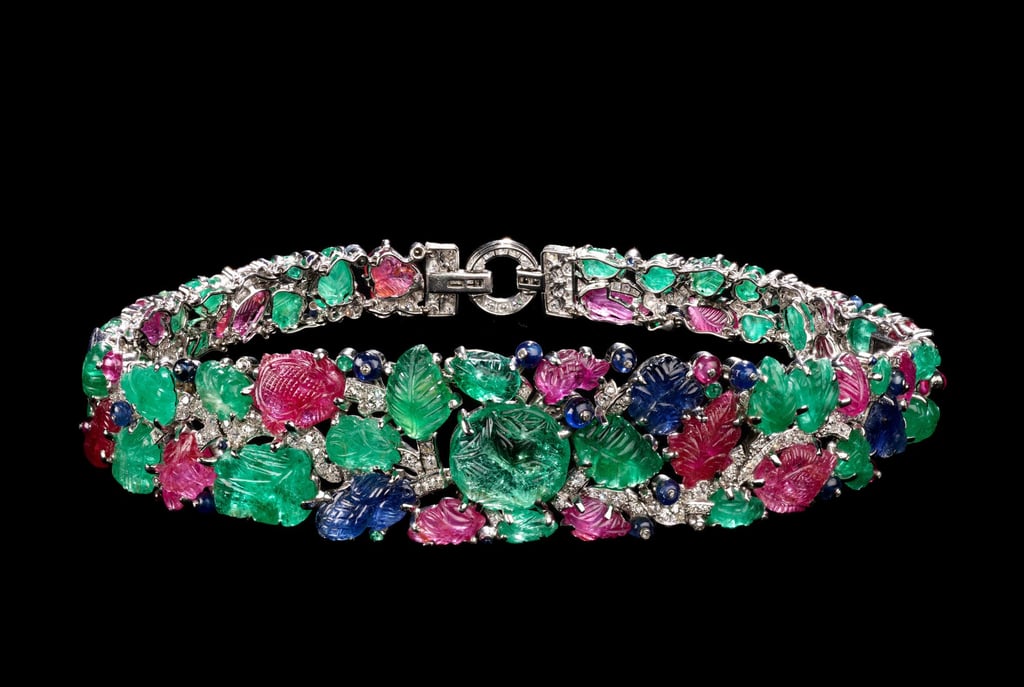
Molesworth describes the entrepreneurial brothers as the “three temples”: Louis the creative director; Pierre the businessman with a nose for sales who opened Cartier in New York; and Jacques, the youngest brother, who took over London’s New Bond Street boutique. Jacques became a skilful gem-buyer, travelling to the Persian Gulf for natural pearls and to India for carved emeralds, Mughal jades and rare rubies. But he was also quick to learn about tastes and the extensive requirements for jewels in British society during the reigns of Edward VII and his descendants.
One particularly spectacular treasure on display is the Manchester Tiara, which Molesworth describes as a metaphor for the three brothers. “It is the perfect beginning to our story of the three. The tiara was made in 1903 in Paris for an English aristocratic family, to be worn by an American woman [Consuelo, Dowager Duchess of Manchester], who had ordered it,” she says. The tiara signifies the brothers’ early aspirations and the global business they nurtured.

Their roles “suited their personalities so perfectly and that is the warmth about their story,” says Molesworth. “There’s serendipity [in that] their personalities were so complementary that they could split up their abilities in such a geographic as well as professional manner, and then still have the warmth between them, the heart and the love.”
The exhibition begins with the creativity of Cartier and the emergence of the Cartier signature style: art deco is just one strand, for Louis Cartier and his designers were open to a broad range of inspiration, from cultures including those of China, Japan and Islam.
