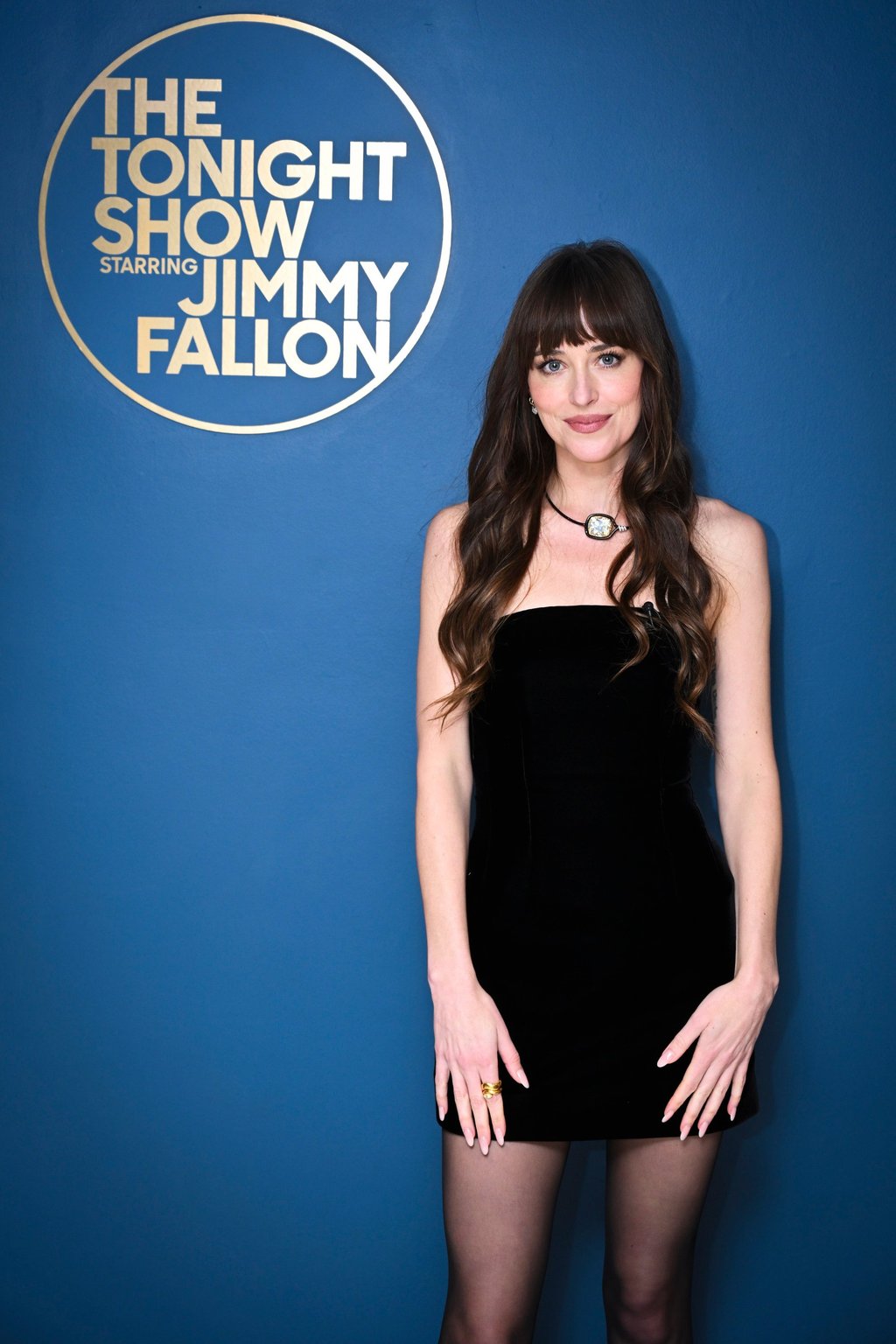
Explainer / What are torque necklaces, and how are celebrities reviving them? Peep looks by Dakota Johnson, Elle Fanning, Cynthia Erivo and Mikey Madison, and pieces from Gucci, Hermès, Cartier and Tiffany & Co.

Messika, Pomellato, Repossi, Jessica McCormack, Lalaounis, Tabayer and Laura Vann are among the other high and fine jewellery brands bringing their own twist to the classic torque design
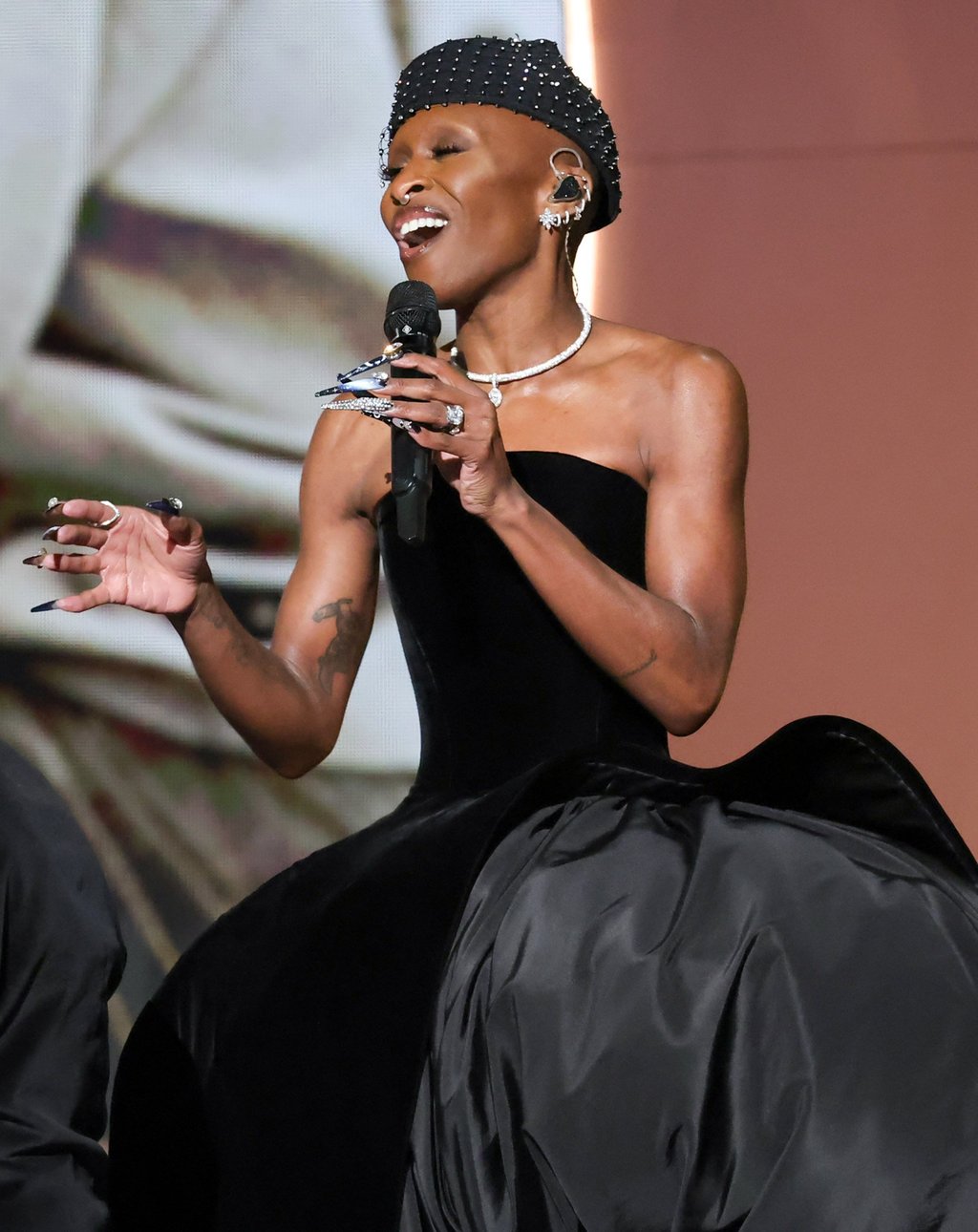
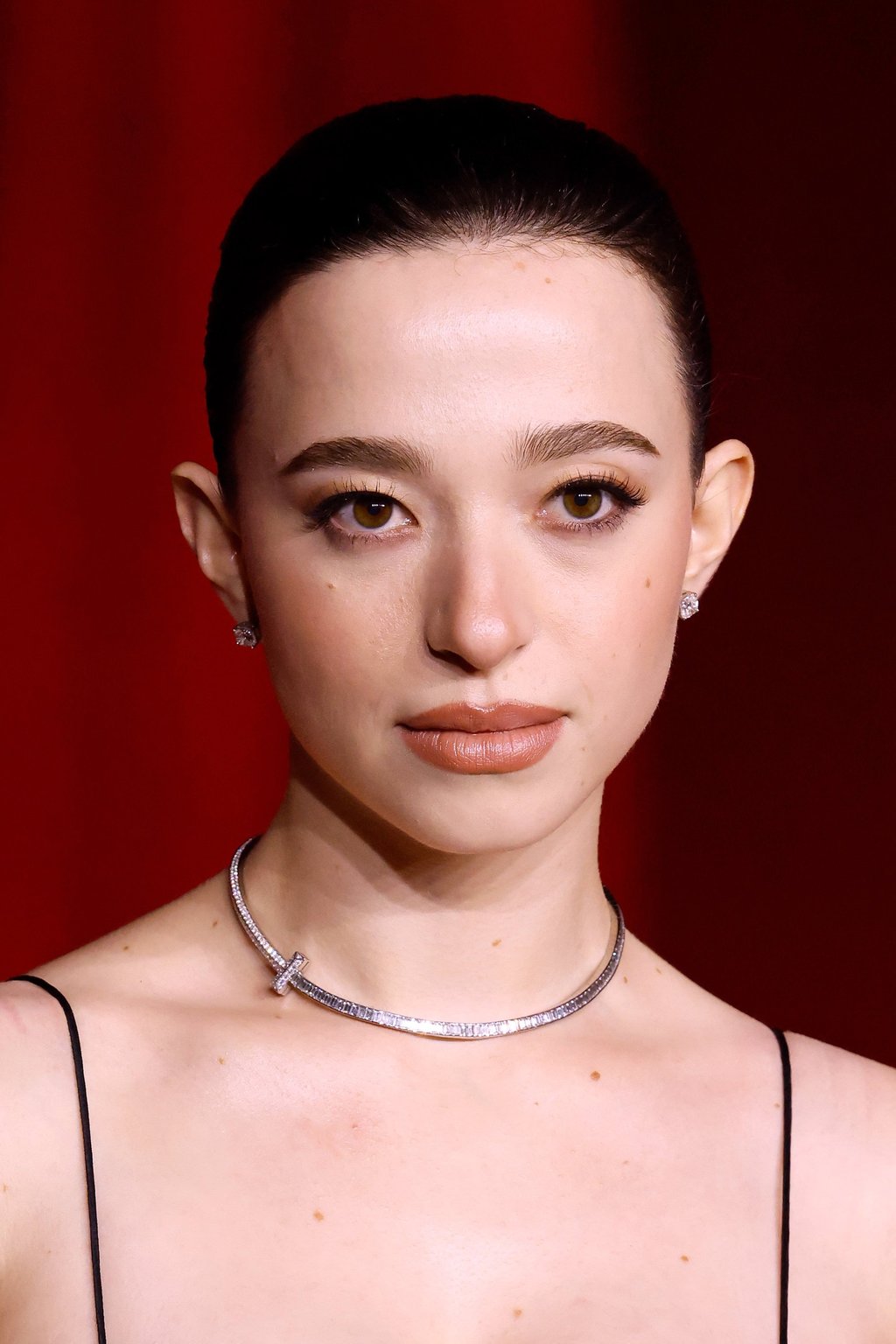
The torque is strikingly minimalist compared to the recent fashion for a mess of chains piled around the neck. “It is the purity of form that makes them such a timeless classic – ancient in feel and yet so contemporary,” says Demetra Lalaounis, director of international operations at Greek brand Lalaounis and daughter of its founder Ilias Lalaounis. The brand’s Neolithic, Cycladic, Classical and Hellenistic collections feature a variety of 22k yellow gold torques based on designs from those eras, while the Persepolis collection has other pieces inspired by that city, the capital of the Achaemenid Empire (550-330BC).
Designs with animal heads, she points out, “are inspired by classical and Hellenistic art, with the workmanship on these usually more intricate, including filigree wire and granulation”.
The Hellenistic period was from 323BC to 30BC and included the fall of Alexander the Great’s empire. However, torques date back further, appearing in Europe in the Iron Age from around the 8th century BC, and showing up in cultures like the Viking and Celtic.
On the other side of the Mediterranean from Lalaounis, Azza Fahmy regularly reinterprets the torque, which appeared in ancient Egyptian culture too. The jeweller uses gold or sterling silver and intricately decorates the collars with twisted wirework in the form of calligraphy or flowers. “They’ve always been an integral part of our collection,” says the Egyptian brand’s head designer Amina Ghali, Fahmy’s daughter.