Maximalist floral jewellery is back: from Bad Bunny, Cardi B and Aimee Lou Wood sporting dazzling brooches at the Met Gala, to Bottega Veneta’s and Boucheron’s 2025 collections

They may be timeless, but floral motifs are experiencing a significant resurgence – as seen on the red carpet and in new high jewellery collections embracing maximalism
Flower motifs have existed in most civilisation’s fashion, jewellery, art and home decor for as long as humans have had the tools to create them. A signifier of the end of winter and the promise of more fruitful days to come, florals are inherently tied to the spring season and signify rebirth, as well as beauty, femininity, purity and sophistication.
The ancient Greeks designed the Kritonios crown, an ornate golden wreath of intertwined narcissi, roses, myrtle and bindweed flowers; Chinese empresses of the Song dynasty wore hair pins with intricate plum blossom designs made from kingfisher feathers; and the Victorian era saw an obsession with the language of flowers, with blooms of all kinds incorporated into cameo brooches, rings and more to communicate emotions from love and affection to grief.
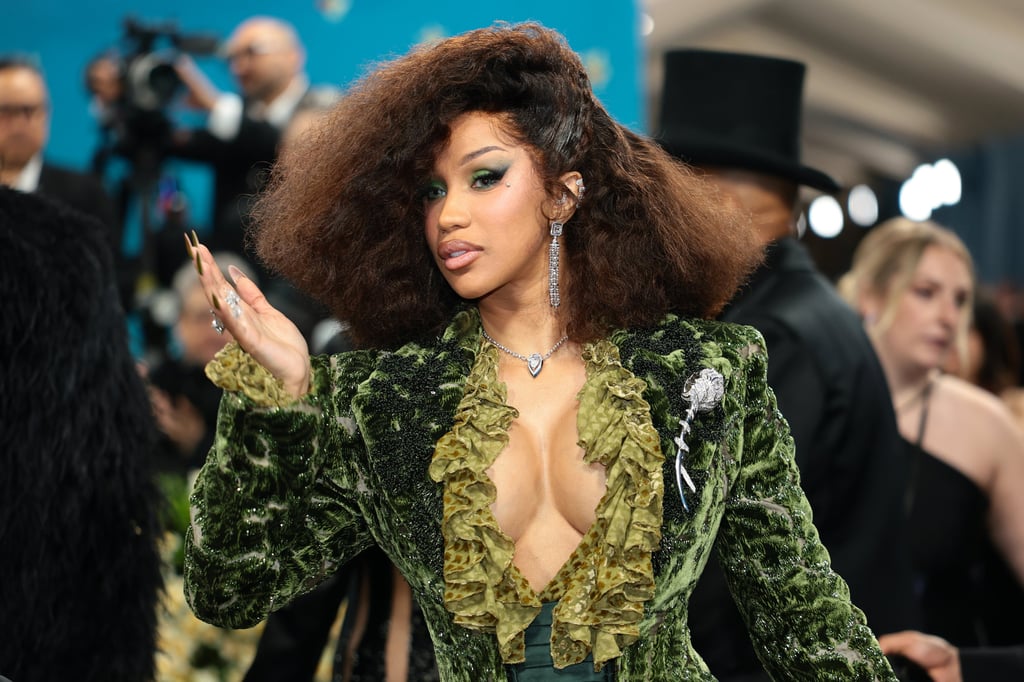
Although contemporary taste often means the execution of floral designs is less traditional and more abstract, classic depictions still appear in spring collections.
For example, Boucheron’s spring 2025 high jewellery collection, Untamed Nature, reimagines everyday flora as exquisite jewels. This is not a new approach: founder Frédéric Boucheron was fascinated by the wild ivy growing along the Palais-Royal near his first shop, and he would go on to build a library of more than 600 works so that he could study the natural world in detail – including its imperfections – and create pieces based on it.
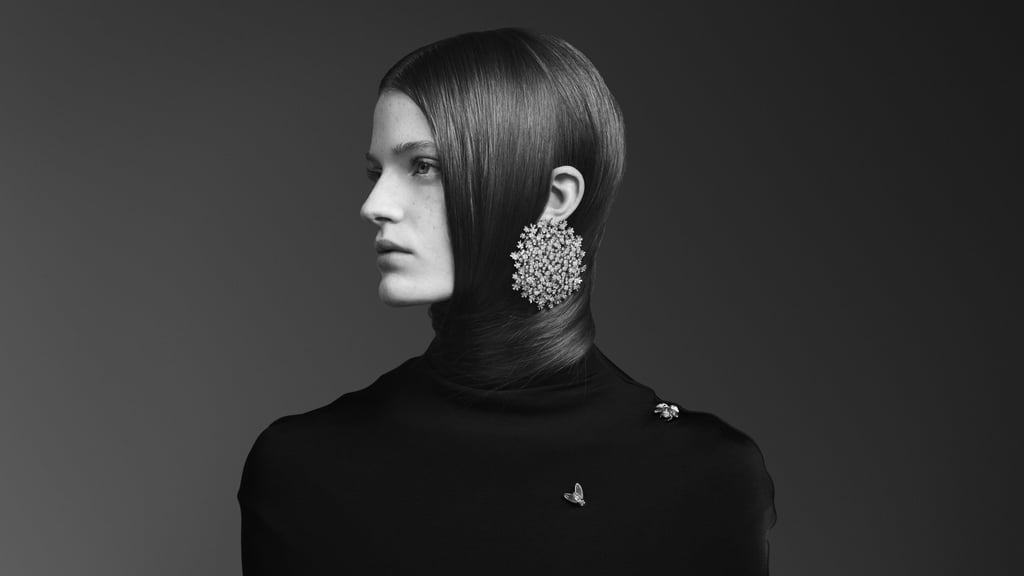
While quiet luxury and understated elegance have dominated recent seasons through simple yet refined clothing and accessories, typically in neutral shades, the pendulum is now slowly swinging back towards bolder hues and maximalism – a perfect excuse for detailed and oversized florals.