100 years after King Tut’s discovery, ancient Egypt inspires new wave of jewellery design

The opening of Giza’s Grand Egyptian Museum is sparking renewed interest in ancient motifs from brands like Azza Fahmy and Bibi van der Velden
In November 1922, British archaeologist Howard Carter made one of the most exciting discoveries of the modern era when he opened the tomb of the young King Tutankhamen, to find that all its precious 3,200-year-old treasure lay intact within. Now, a century later, those treasures along with others spanning 7,000 years of human history are being displayed together in the new six-storey Grand Egyptian Museum in Giza, Egypt.
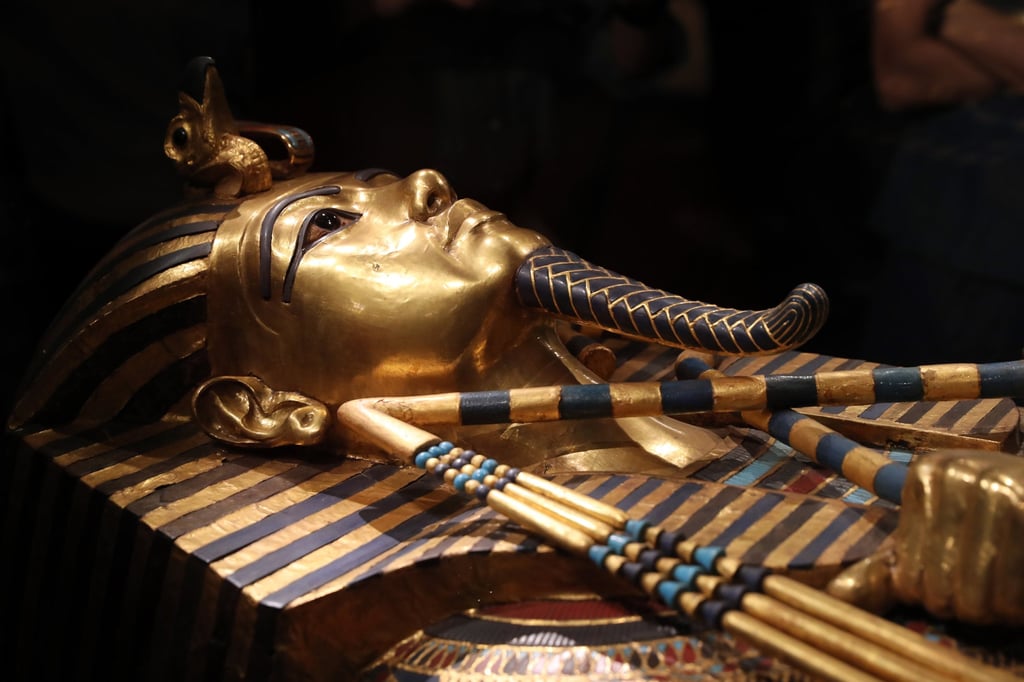
Wandering around the museum, Egyptian jewellery designers, Amina Ghali and her mother Azza Fahmy, were incredulous at the quality of Egyptian goldsmithing thousands of years ago. “It is honestly mind-blowing,” exclaims Ghali. Particularly astonishing is the gold mask of Tutankhamen. “It was created using casting, yet when you walk around it, you won’t find a single solder line. My mother and I think, ‘How were they able to do that thousands of years ago?’ Even today, achieving something that seamless would be extremely difficult.”
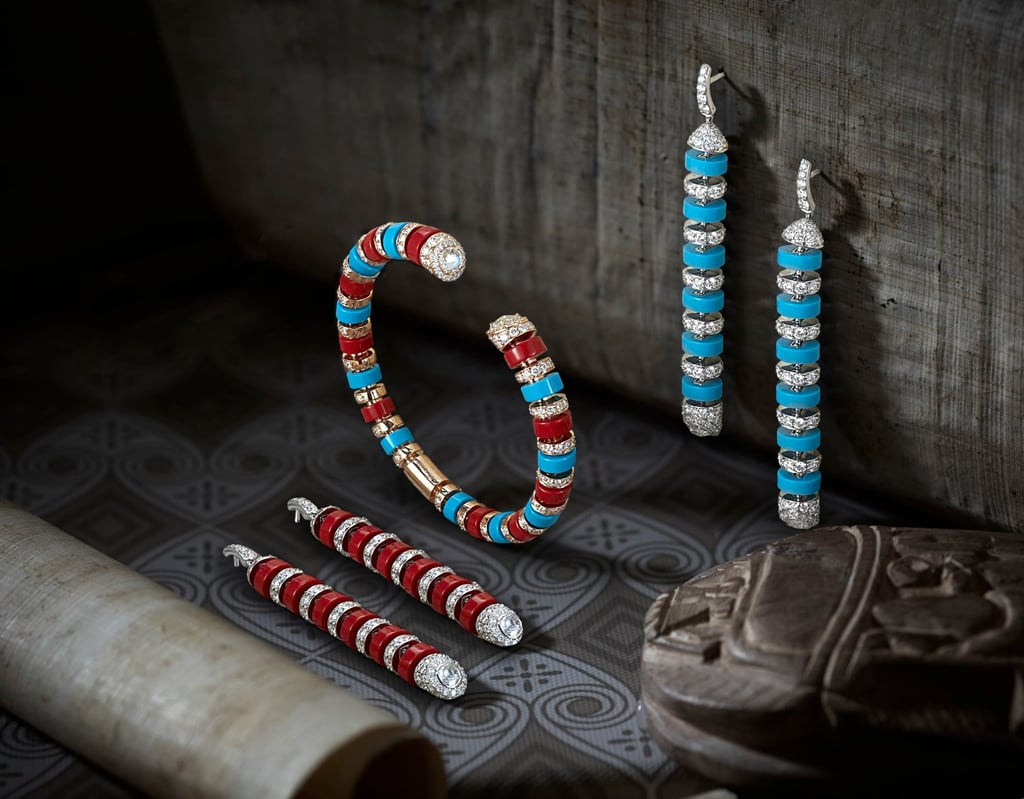
Many techniques pioneered by the ancients are still used in jewellery today, from engraving, repoussé (a type of ornamentation) and casting, to stone setting, wire work and beading. Some of their motifs – scarabs, cobras, hieroglyphs – and ornamental stones like lapis are as appealing to modern consumers as they were to those thousands of years ago.
A century later, the opening of the museum is expected to spark a new wave of demand. Fahmy is perfectly poised for this, having opened a boutique in the museum. “Ancient Egypt has always been a major source of inspiration for us,” explains Ghali, head designer of her mother’s brand. “My mother and I travel to Luxor [in Egypt] every year, spending days in the temples studying the carvings, proportions and symbolism up close. These trips are incredibly grounding, allowing us to reconnect with the source and understand the stories behind these symbols.”
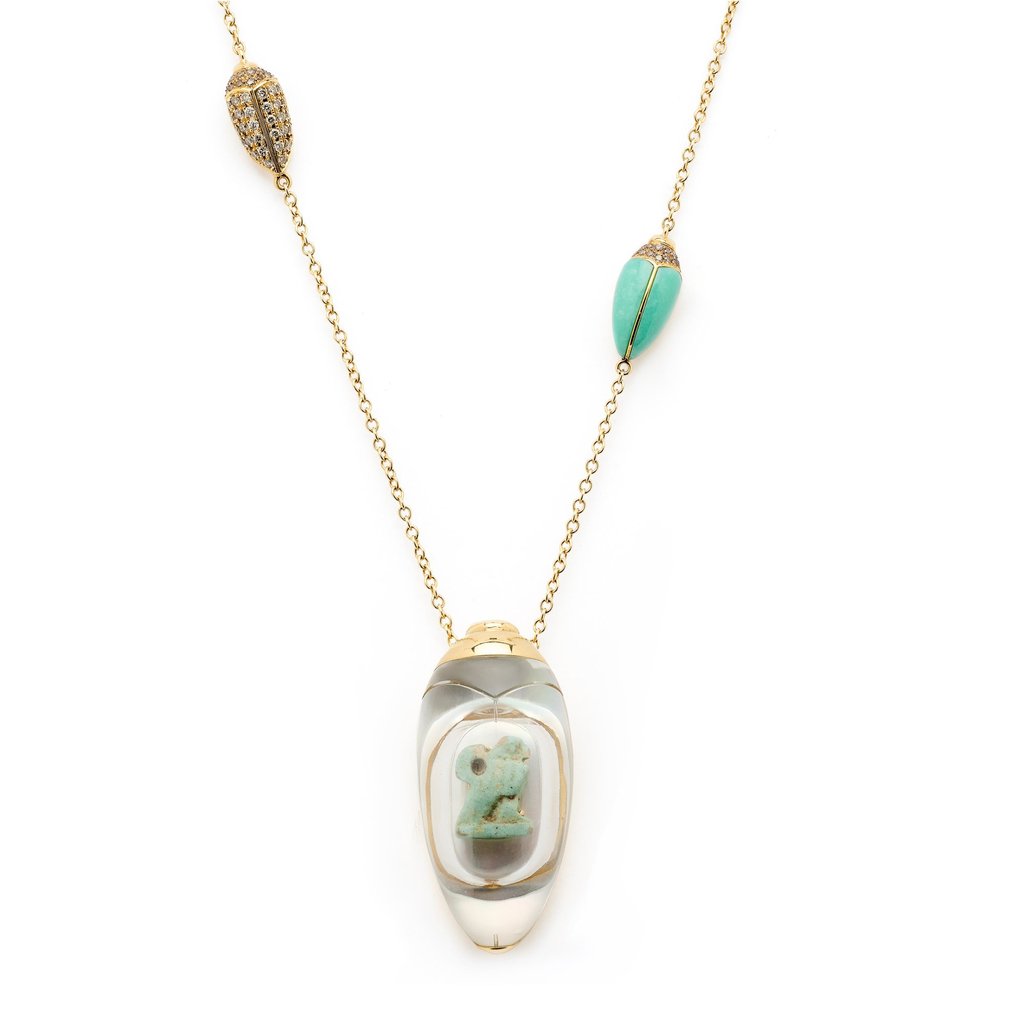
The women’s latest collection is centred on the scarab, which represents renewal and protection: “a beautiful reminder of transformation and new beginnings, and the spirit we wanted to bring into the pieces”, Ghali says.
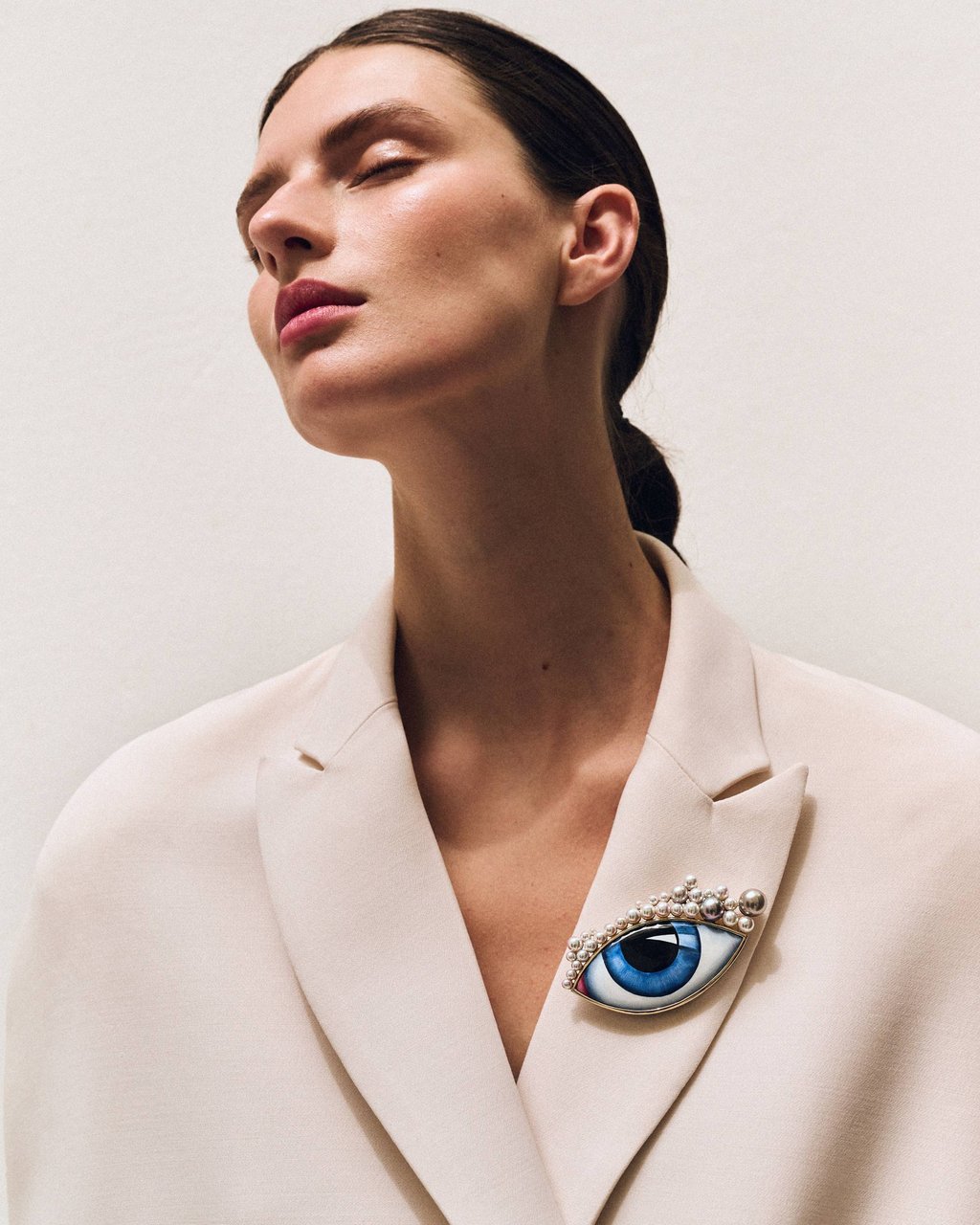
Such symbolism has made the scarab a popular jewellery motif through the ages, from Cartier in the 1920s, to jewellers like Bibi van der Velden, Jacquie Aiche and Lito Karakostanoglou today. “It is true that ancient cultures have always inspired my work, especially the meaning embedded in their symbols,” explains Athens-based Karakostanoglou. The scarab and Eye of Horus feature in her latest pieces. “As I am reinterpreting those symbols, I believe giving them a modern twist is necessary for today’s aesthetic and to make talismans you can wear every day,” she says.