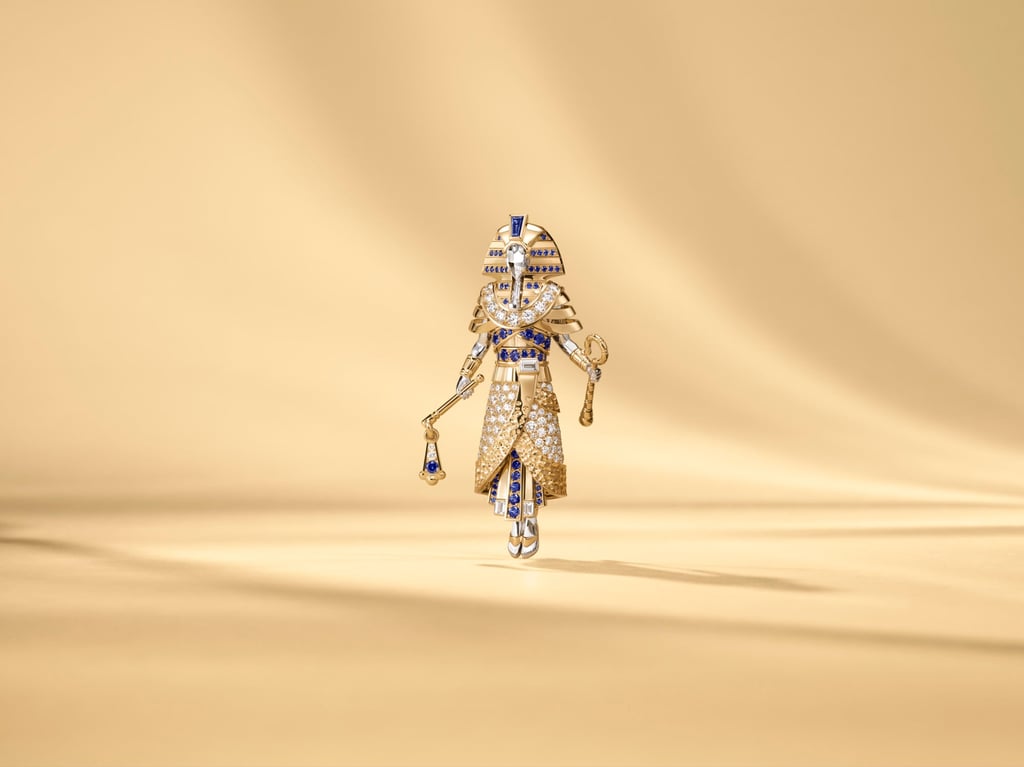
Van Cleef & Arpels’ Fascinating Egypt collection is inspired by pharaohs and pyramids

With nods to Cleopatra, Elizabeth Taylor and Cher, the maison channels Egyptian iconography into rare gems and signature mystery-set designs
Van Cleef & Arpels unveiled its latest high jewellery collection, Fascinating Egypt, with a series of events, including talks and master classes, that culminated in a gala dinner at the Palais de Chaillot in Paris on Tuesday.
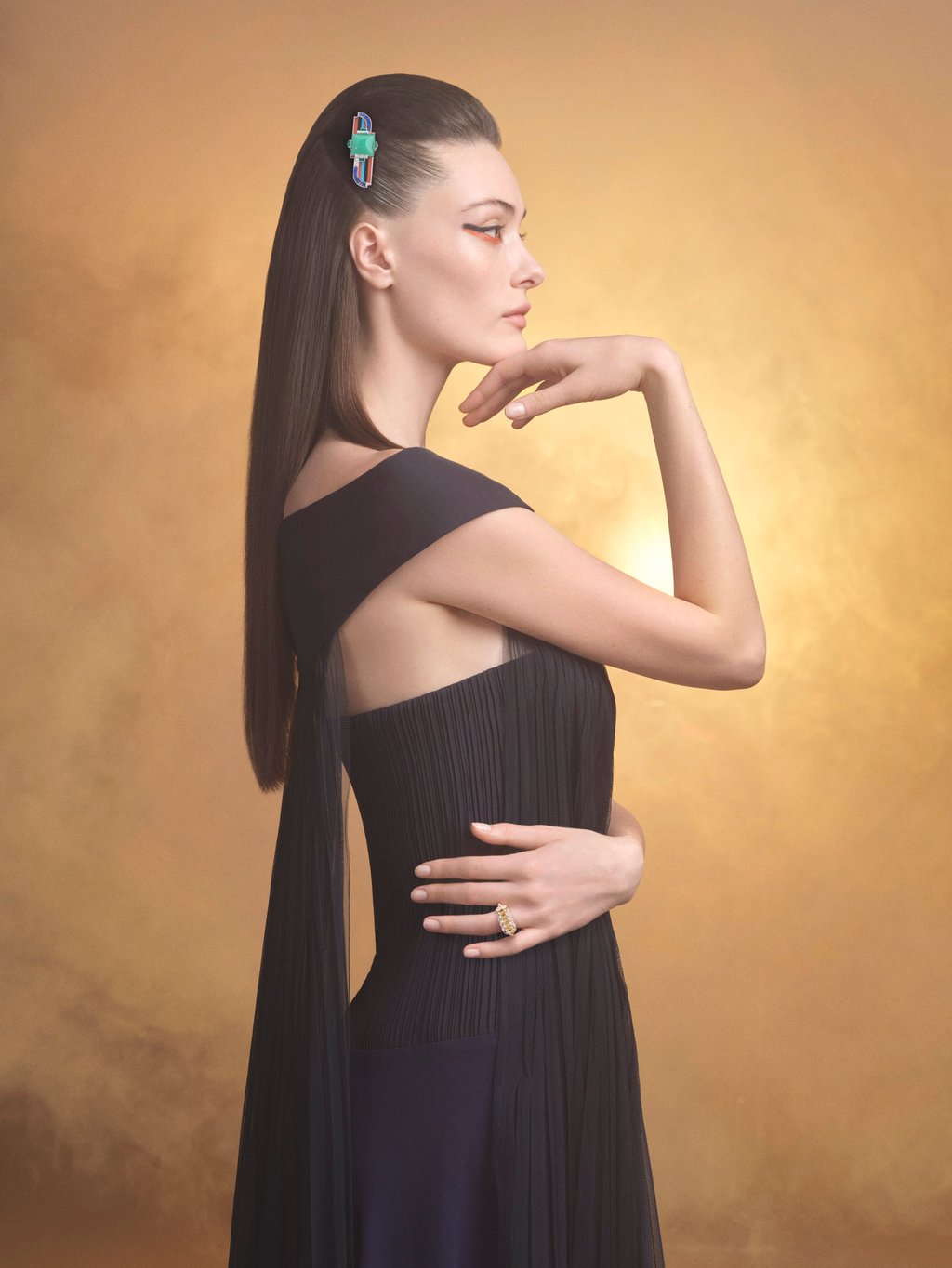
In the 1920s, inspired by the 1922 discovery of the tomb of Tutankhamen in the Valley of the Kings, the maison created a series of pieces decorated with Egyptian patterns and figures.
Riding a wave known as Egyptomania – a fascination with Egyptian iconography, especially in Europe – Van Cleef & Arpels continued to find inspiration in Egypt over the years. In 1957, for instance, it released a scarab clip made of gold, sapphire, turquoise and diamonds, while the Osiris necklace – created in the mid-80s and made of gold, chrysoprase, lapis lazuli, onyx, coral and diamonds – was named after and inspired by the ancient Egyptian netherworld.
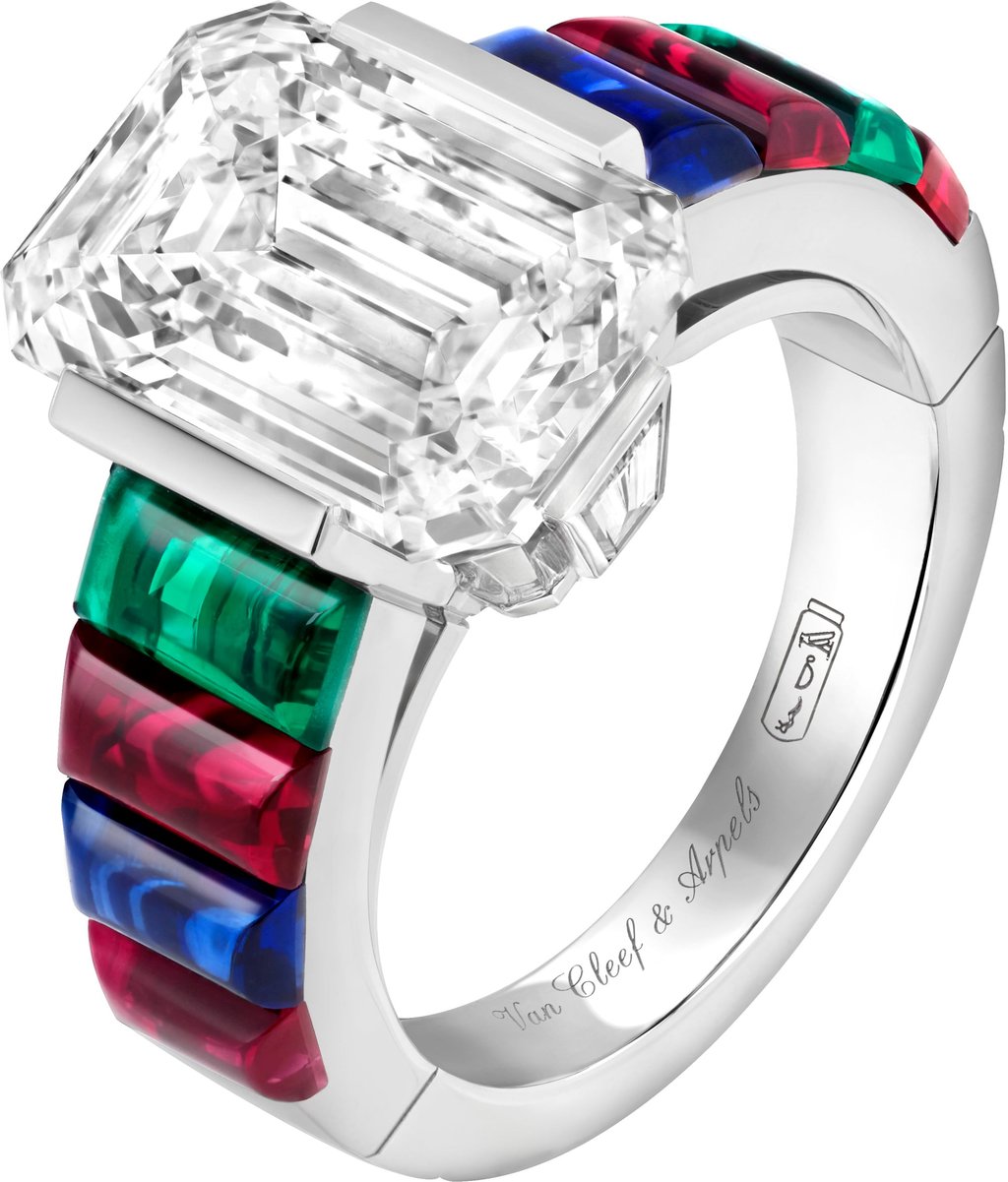
The love affair between Van Cleef & Arpels and Egypt went both ways. In the 1930s and 1950s, Egypt’s royal family acquired several Van Cleef & Arpels creations, including a peony clip made of platinum, gold, rubies and diamonds, and a necklace dating back to 1929 that was purchased in 1937 by Her Royal Highness Princess Faiza of Egypt. That piece was the inspiration behind the Princesse du Nil necklace, one of the most striking creations in the Fascinating Egypt range. The necklace features a detachable back motif and is made of gold, platinum, emeralds, natural pearls and diamonds.
Reflecting the vibrant colours seen in Egyptian art and jewellery, the collection stands out for its rich palette, achieved with coloured gems such as rubies, sapphires, emeralds, rubellites and tourmalines, paired with precious and fine stones like lapis lazuli and turquoise. Rare ornamental stones like cacholong and sugilite – not often used in jewellery – also make an appearance in the collection.