Advertisement
Advertisement
Advertisement
Watches

Style Edit: The Omega Speedmaster’s 60-year legacy, from Apollo 11 to Artemis II

STORYSCMP Style Reporter
The Omega Speedmaster Moonphase Meteorite is made using iron meteorite and lunar meteorite. Photo: Handout
Style Edit

From Nasa’s punishing 1965 trials, to the Speedmaster Moonphase Meteorite, ‘Reverse Panda’ and X-33 – this is how a space icon keeps evolving

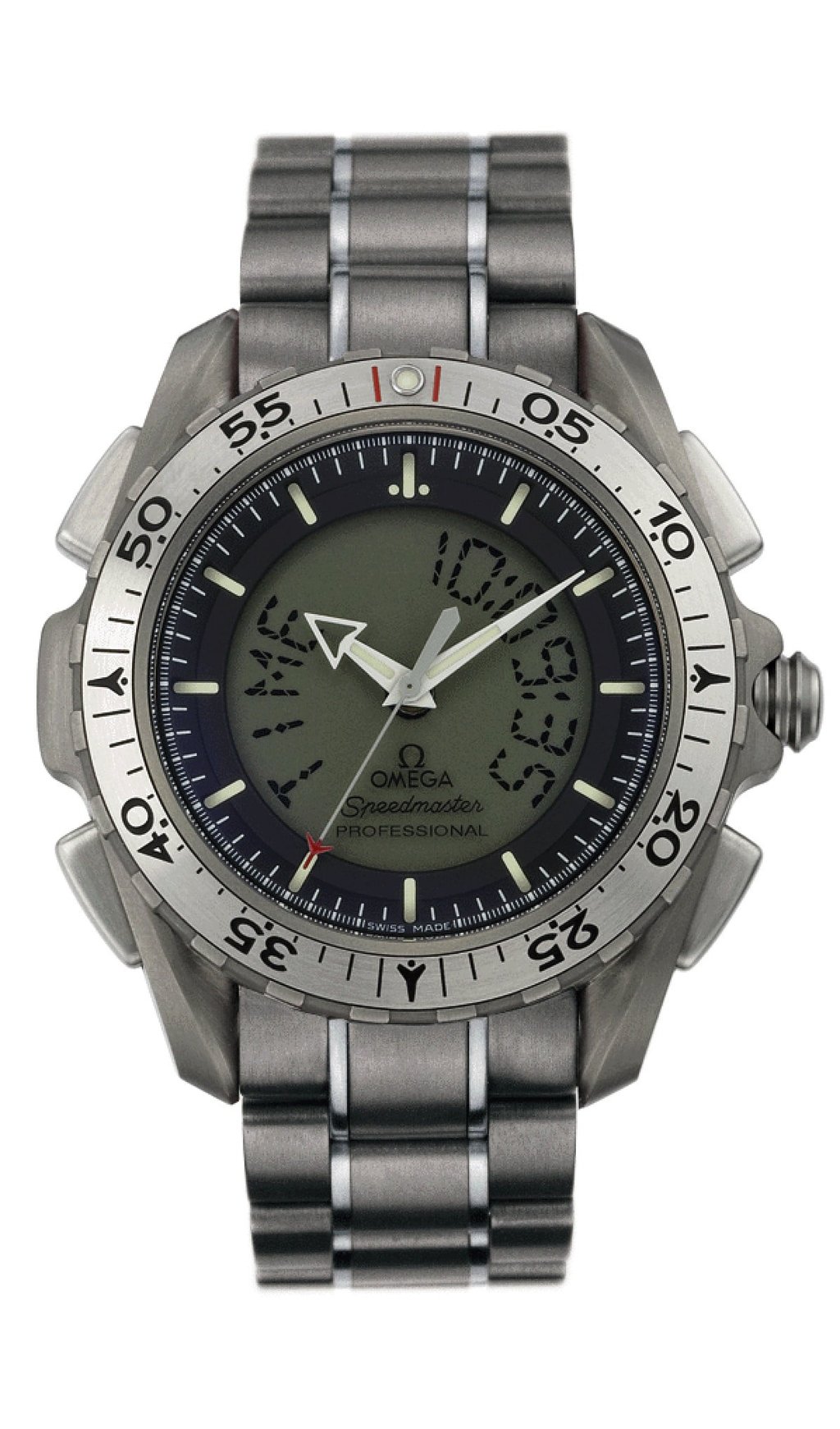
On April 1, as Nasa’s Artemis II set off on humanity’s first crewed lunar voyage in more than 50 years, all four astronauts on the mission did so wearing the Omega Speedmaster X-33 – a modern instrument for a new era, rooted in a legacy stretching back six decades. That story began with a far simpler mechanical chronograph that proved its ability to survive where few other timepieces could.
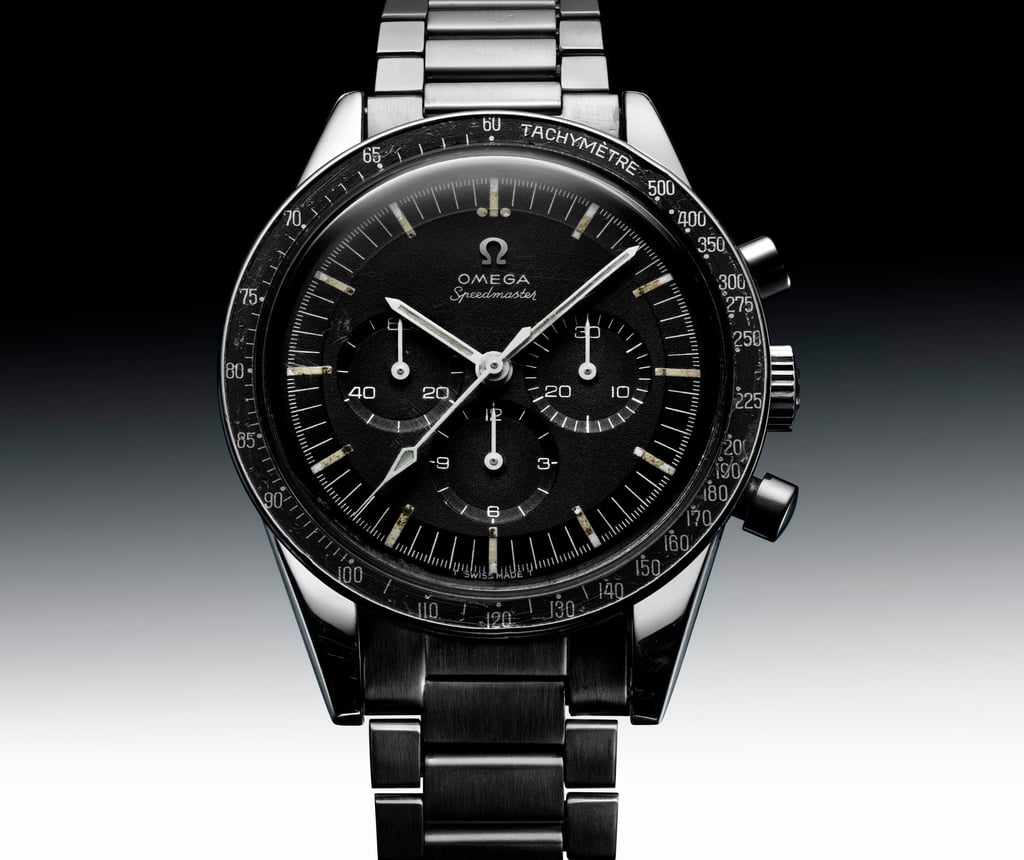
A classic Omega Speedmaster Moonwatch. Photo: Handout
In 1965, after a series of punishing trials designed to replicate the extremes of space travel, Nasa officially qualified the Omega Speedmaster for all manned missions. It wasn’t a ceremonial endorsement – it was hard-earned. Subjected to violent shocks, searing heat, freezing temperatures, high-pressure environments and deafening acoustic tests, the Speedmaster emerged as the only watch tested to pass every requirement.
Advertisement
The Omega Speedmaster X-33 was worn by the crew of Artemis II this month. Photo: Handout
More tellingly, astronauts themselves chose it. They valued the timepiece’s clarity, reliability and ease of use – qualities that mattered when on-board systems could fail and a mechanical backup might become mission critical. Within weeks of qualification, the Speedmaster was in orbit. In 1969, it secured its place in history on the wrists of the crew of Apollo 11, becoming the first watch worn on the moon.
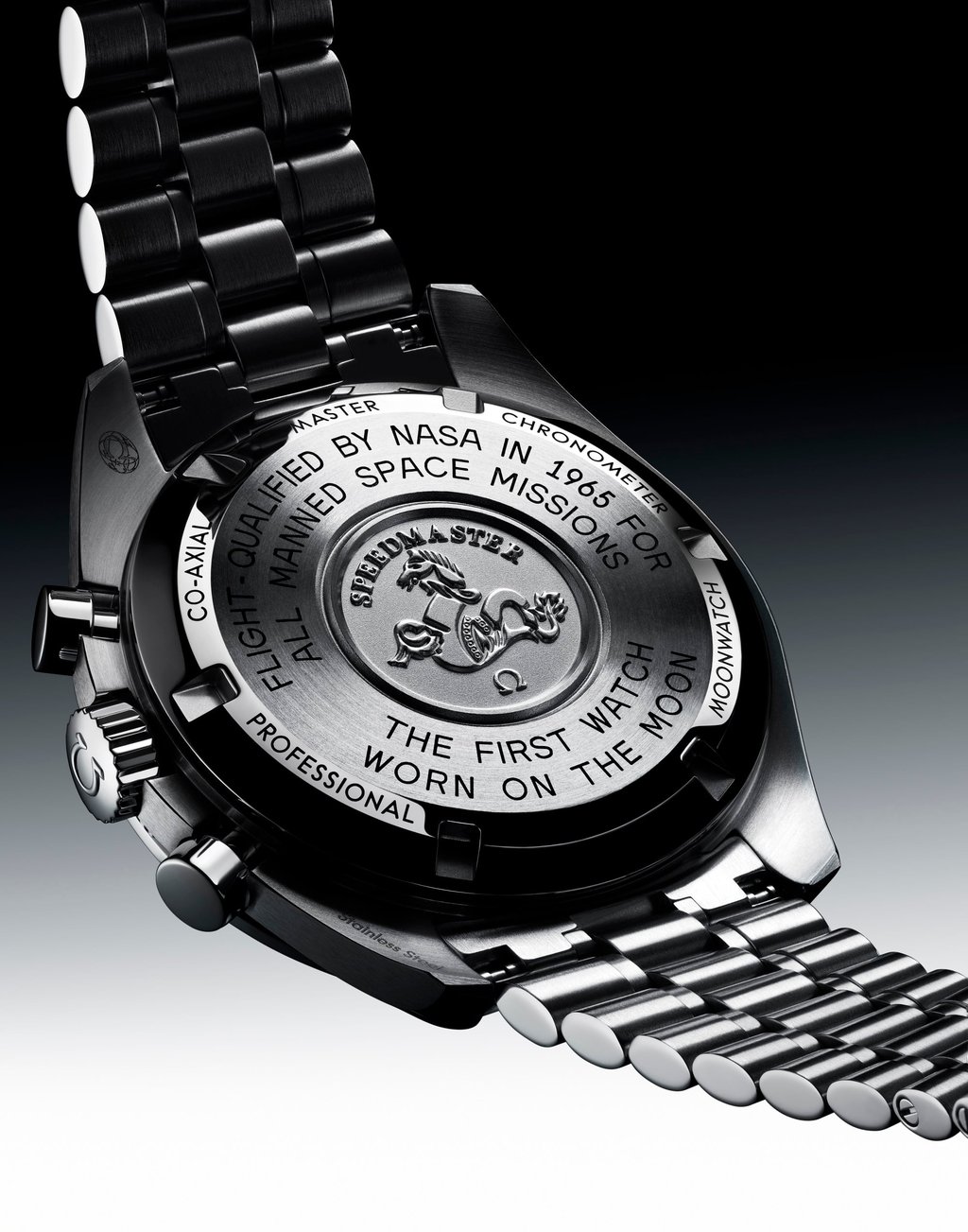
The engraved caseback of a classic Omega Speedmaster Moonwatch. Photo: Handout

That original DNA remains most evident in the Omega Speedmaster Moonwatch – often referred to simply as the Moonwatch. Its design is a careful continuation of the fourth-generation model worn on Apollo 11: a 42mm case, asymmetrical for crown protection, a black step dial for legibility, and the iconic tachymeter bezel. The caseback engraving – “Flight-qualified by Nasa for all manned space missions” – reads less like branding and more like a statement of record.
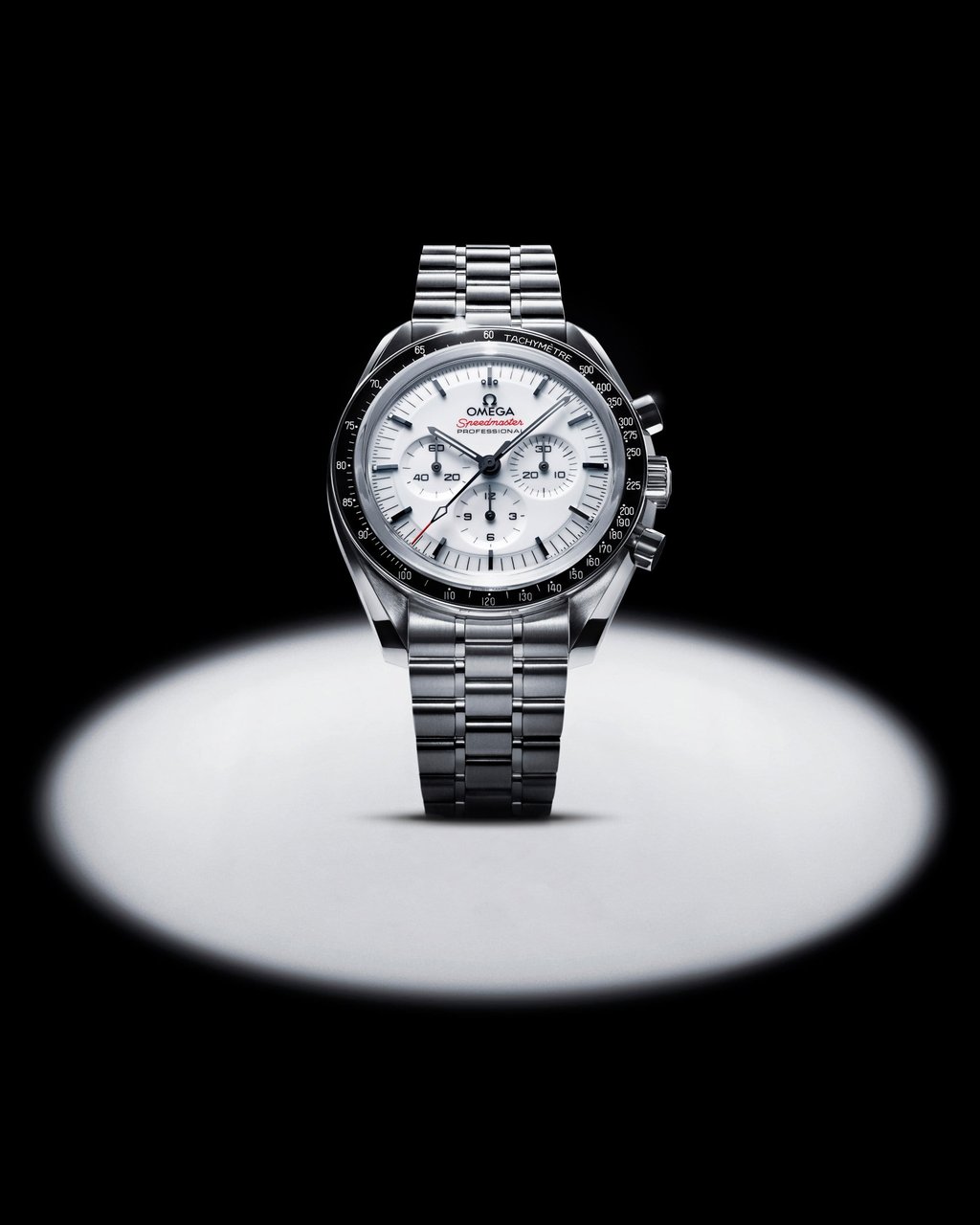
The new Omega Speedmaster Moonwatch with a white lacquer dial. Photo: Handout

A 2024 version of the Speedmaster Moonwatch reimagined the familiar through inversion. The timepiece’s glossy, white lacquer dial, paired with black detailing, echoes the visual language of an astronaut’s EVA suit, while subtle red accents nod to the red lines on suits signifying the commander’s rank. Even the choice of white has a technical precedent, recalling experimental prototypes developed for thermal reflection in extreme conditions.
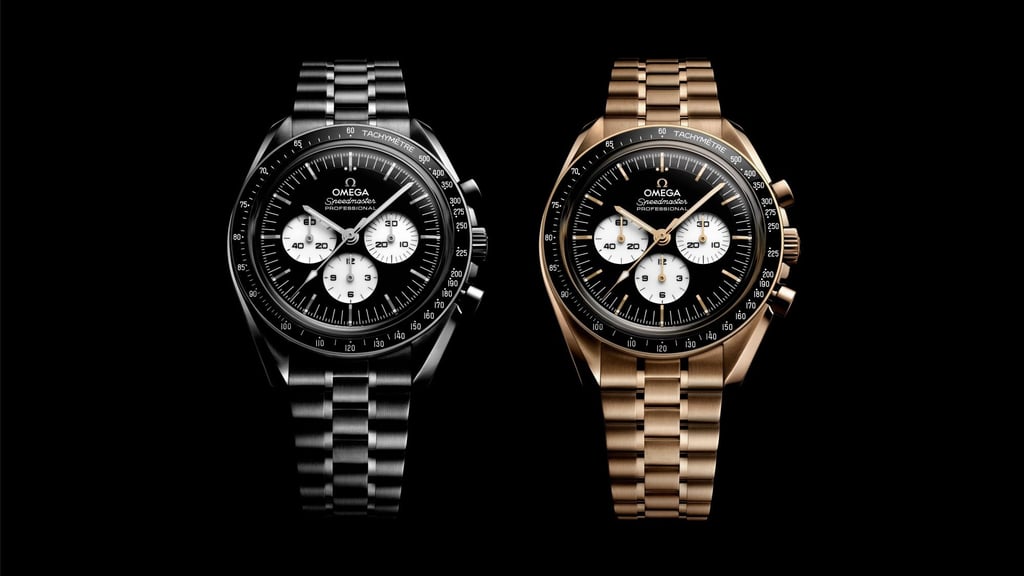
Omega’s stable of Speedmaster watches includes two new “Reverse Panda” pieces. Photo: Handout
Select Voice
Select Speed
1.00x