Luminous watches are trending, from IWC to Panerai and A. Lange & Söhne

Luminescence was a stand-out trend at this year’s Watches and Wonders – here’s how makers are using innovative materials to light up horology
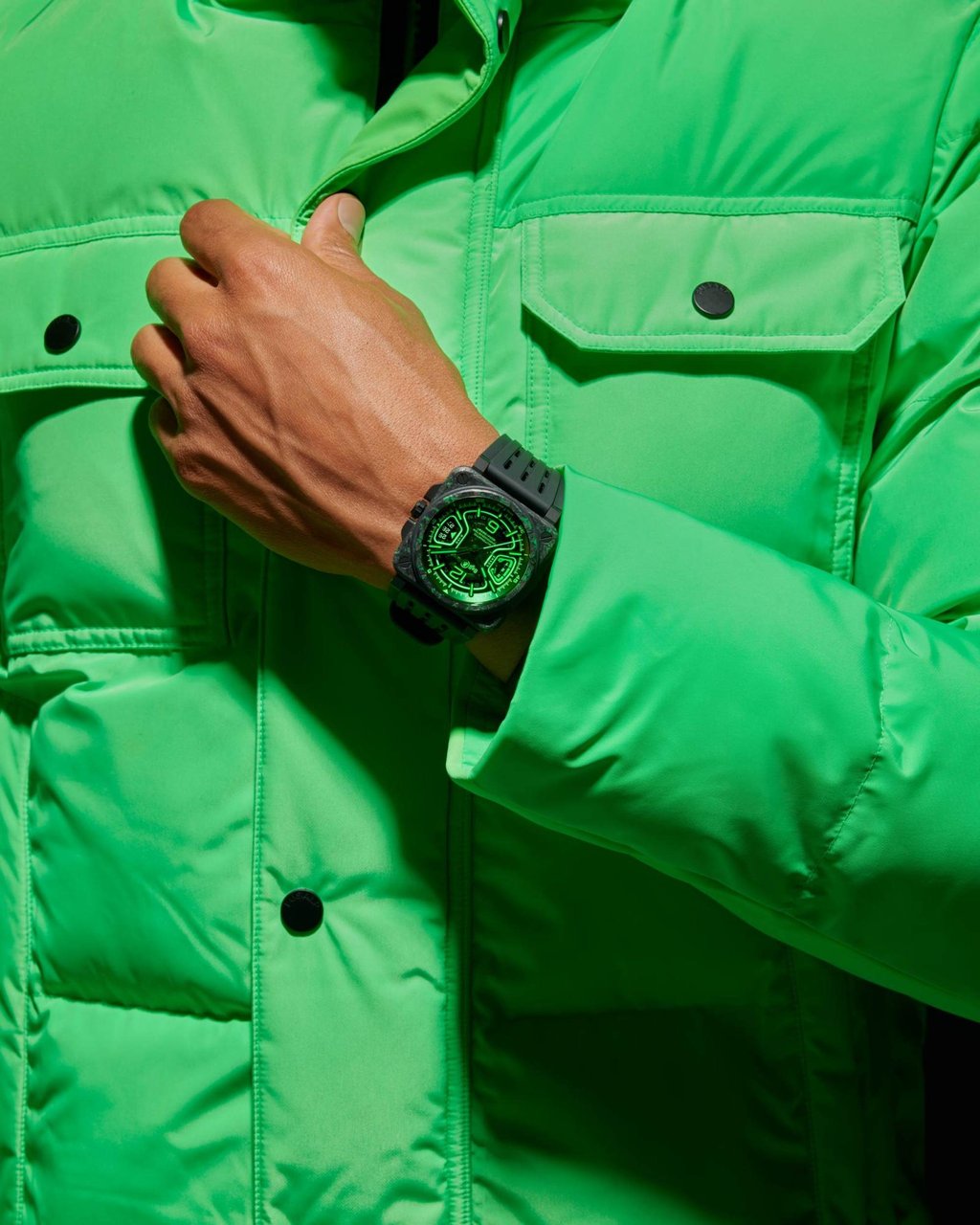
Today, watches that shine in the dark may have become big business, but the hype – and history – surrounding these designs has been bubbling up for quite some time.
The earliest examples used a luminous paint that combined zinc sulphide with radium, the radioactive element discovered by Marie Curie and her husband Pierre in 1898, which, while effective in emitting light, was unfortunately also highly radioactive, and so was banned from use in watchmaking in 1968. Tritium, another self-luminous but less radioactive substance, was later used as a replacement.
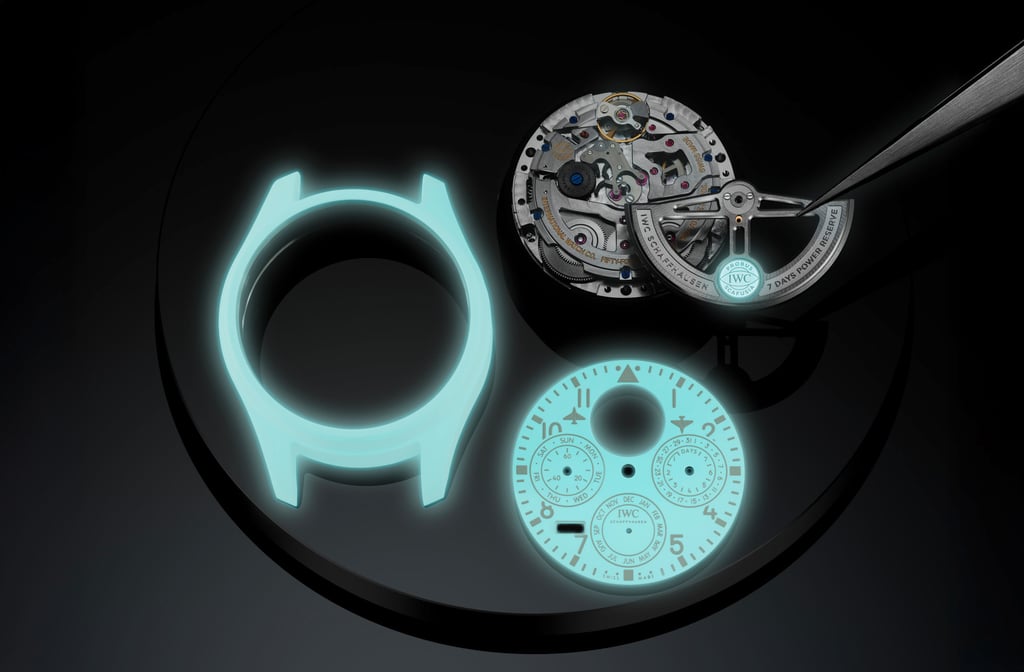
Everything changed with the introduction of Super-LumiNova in 1993, which remains the go-to luminous material in horology today. Developed by Swiss company RC Tritec, it’s a photoluminescent pigment that functions like a battery that stores light, absorbing energy from either sunlight or artificial light and re-emitting it as a visible glow, a function that can be repeated indefinitely and carries none of the risks of its predecessors.
“Incorporating luminosity into our watches is not merely an option but a fundamental requirement, deeply rooted in our legacy as suppliers of military instruments where it was essential for underwater missions,” says Alessandro Ficarelli, the brand’s chief marketing officer.
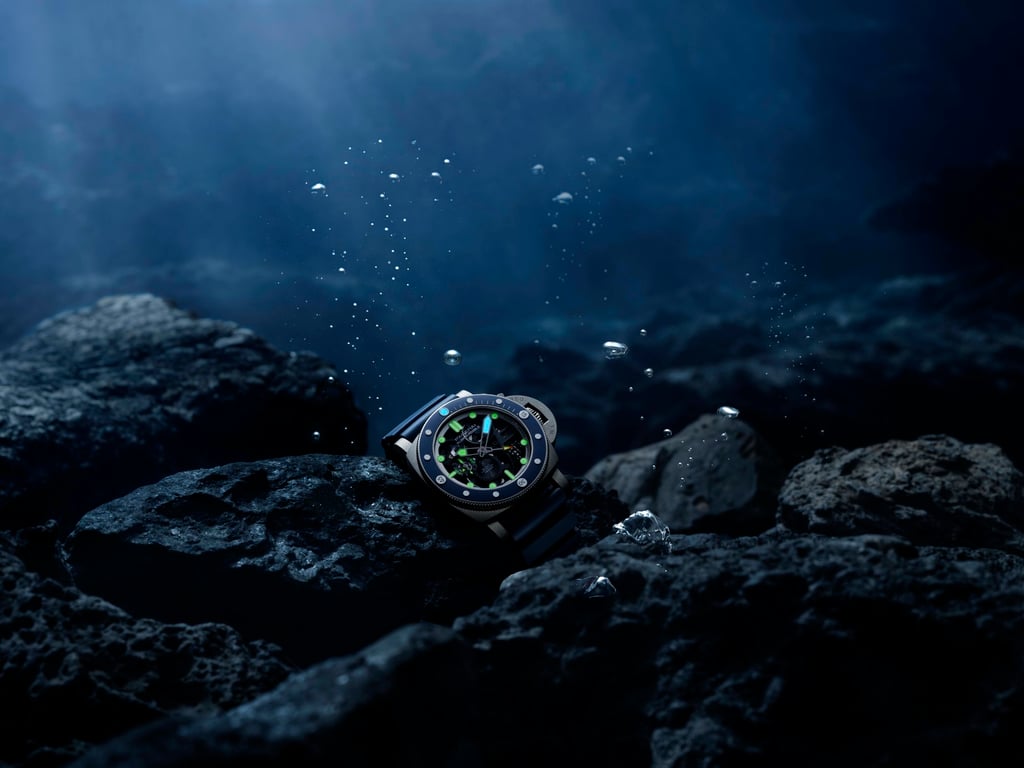
Panerai’s latest Submersible GMT PAM01495, a 47mm tool watch introduced at Watches and Wonders, boasts a hefty 500-metre water resistance and DMLS titanium case, a 3D-printing technique Panerai first patented in watchmaking in 2012. It also features a skeletonised dial with a minute hand and dot on the rotating bezel that glow blue and indexes that glow green with Super-LumiNova.