Panerai, Ulysse Nardin and other brands are reinventing watches with unusual materials

H. Moser & Cie and Hublot are among those experimenting with advanced compounds that boost performance and deliver distinctive finishes
Gold, platinum and steel may be watchmaking’s holy trinity, but some of the buzziest new horological launches are being designed in materials outside the usual playbook.
“These developments are about creating an entirely new wearing experience: lighter, stronger and more dynamic than traditional luxury sports watches,” according to the product development team at independent Swiss watchmaker Norqain.
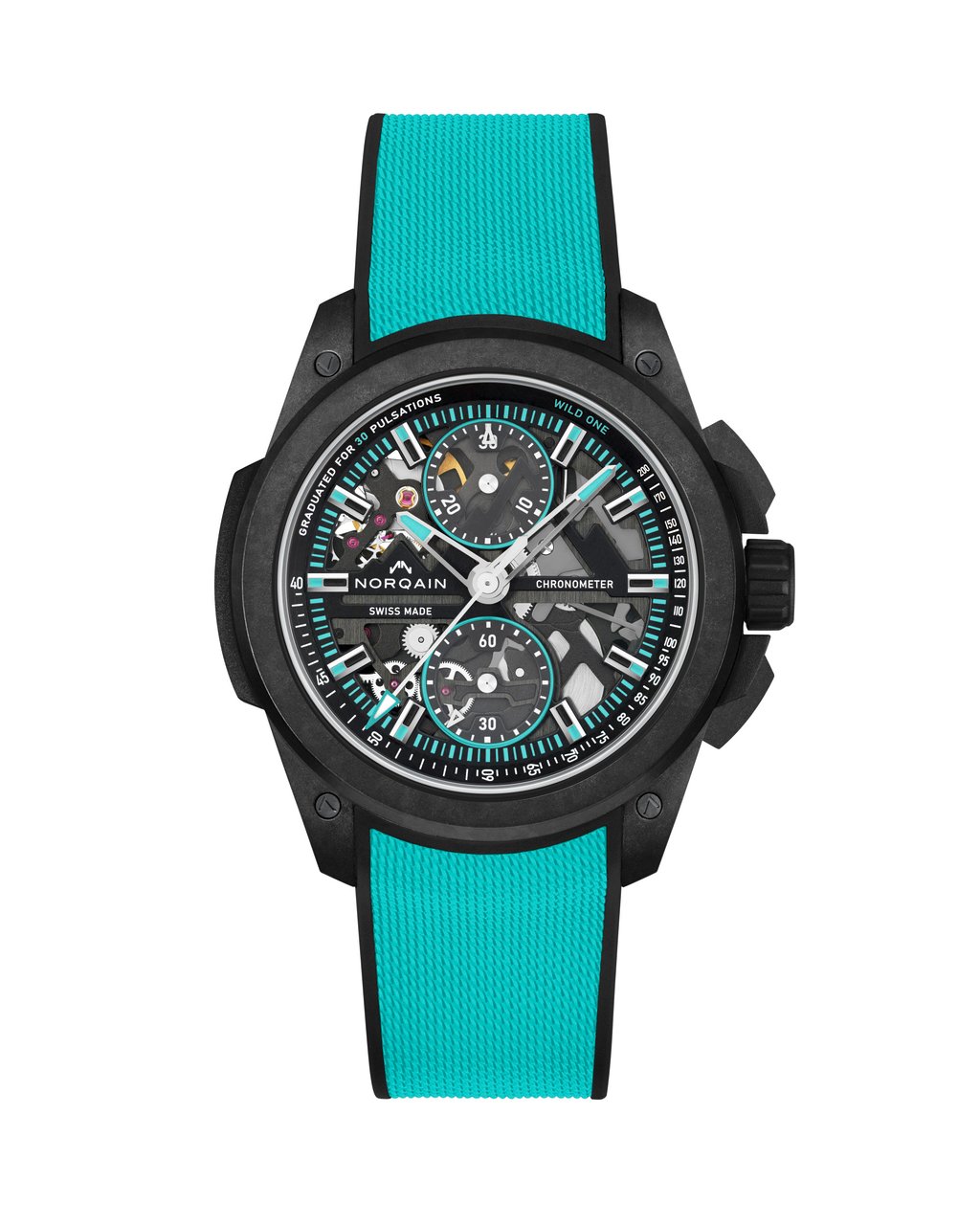
The brand’s newest proprietary material, X-Lite is an evolution created to push the watch’s weight down even further without compromising on shock absorption. It is used in the new model’s casing ring to protect the movement against shocks of more than 5,000G.
Achieving this wasn’t without its difficulties. “One of the biggest challenges was achieving the right balance between extreme lightness and structural resistance,” according to the brand. “The materials needed to absorb shocks, protect the movement and maintain long-term durability, all while preserving the premium finishing and aesthetics expected from a Swiss luxury watch.” Materials currently available on the market, the team added, were not enough. “We decided to develop our own solutions together with leading experts and partners.”
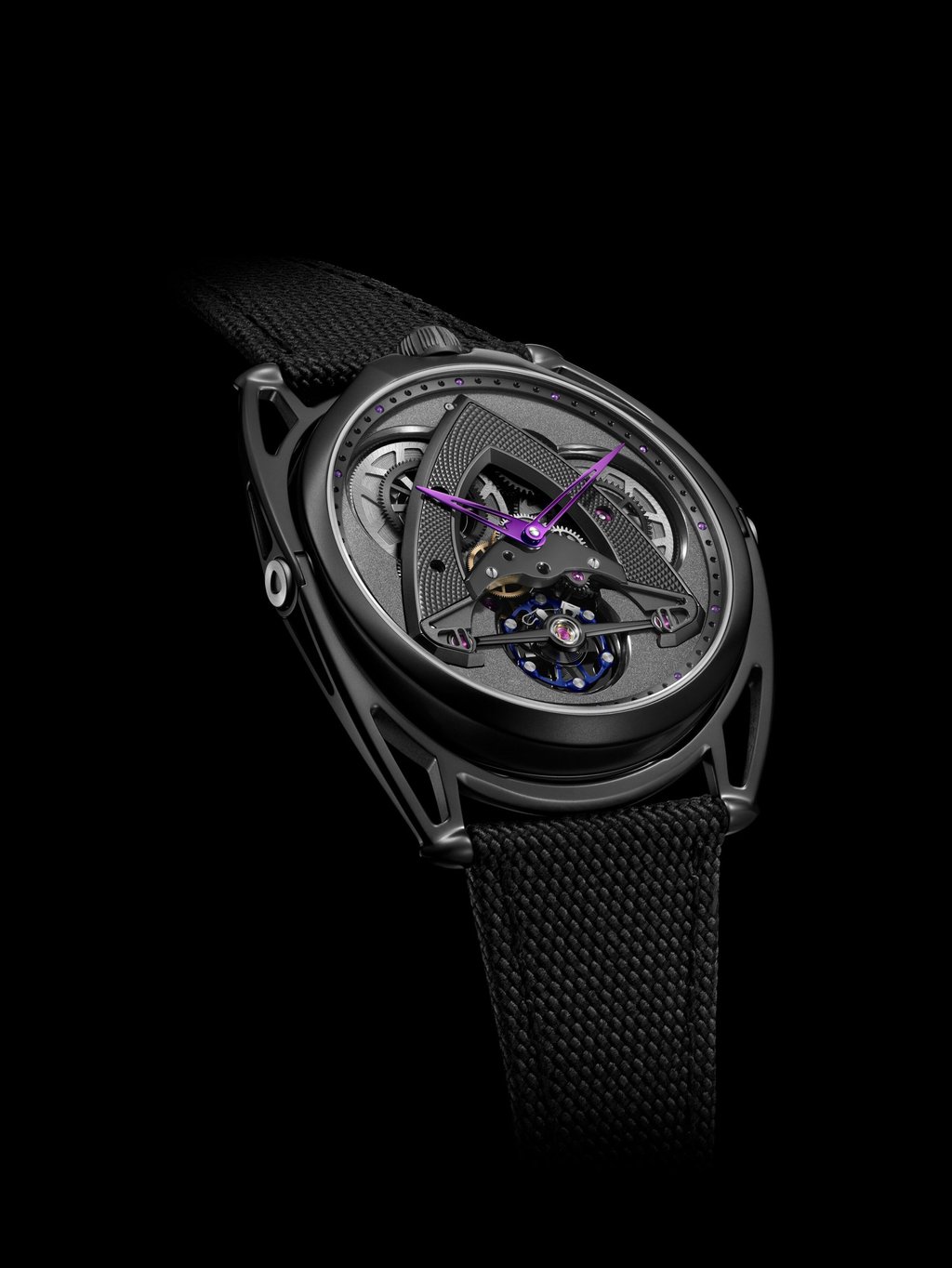
That appeal doesn’t come without its complications. “Zirconium is a demanding material that requires specific expertise and extensive hand-finishing,” says Flageollet. “Its hardness and thermal properties make machining particularly delicate, requiring adapted tools and very precise manufacturing processes.”
Zirconium also reacts differently to polishing than steel or titanium, making it harder to achieve the clean lines of a De Bethune watch case. “Another challenge lies in preserving the elegance and fluidity of our case architecture while working with a material that is technically more complex to shape,” Flageollet explains. “But this difficulty is also what makes it interesting for us: it pushes our teams to constantly innovate and refine their savoir faire.”