How luxury fashion brands are investing in technology to offer sustainable, eco-friendly clothing

Luxury brands are investing in groundbreaking technology to offer top-of-the-line clothing suited to dynamic movement
Green entrepreneur Nancy Johnston accidentally came across Khangai yaks while she was on a trip to Mongolia. She discovered that the yak fibres were “as soft as cashmere and warmer than Merino wool”. Johnston, of Chinese ancestry, was fascinated by the relationship between the people, the animals and the land.
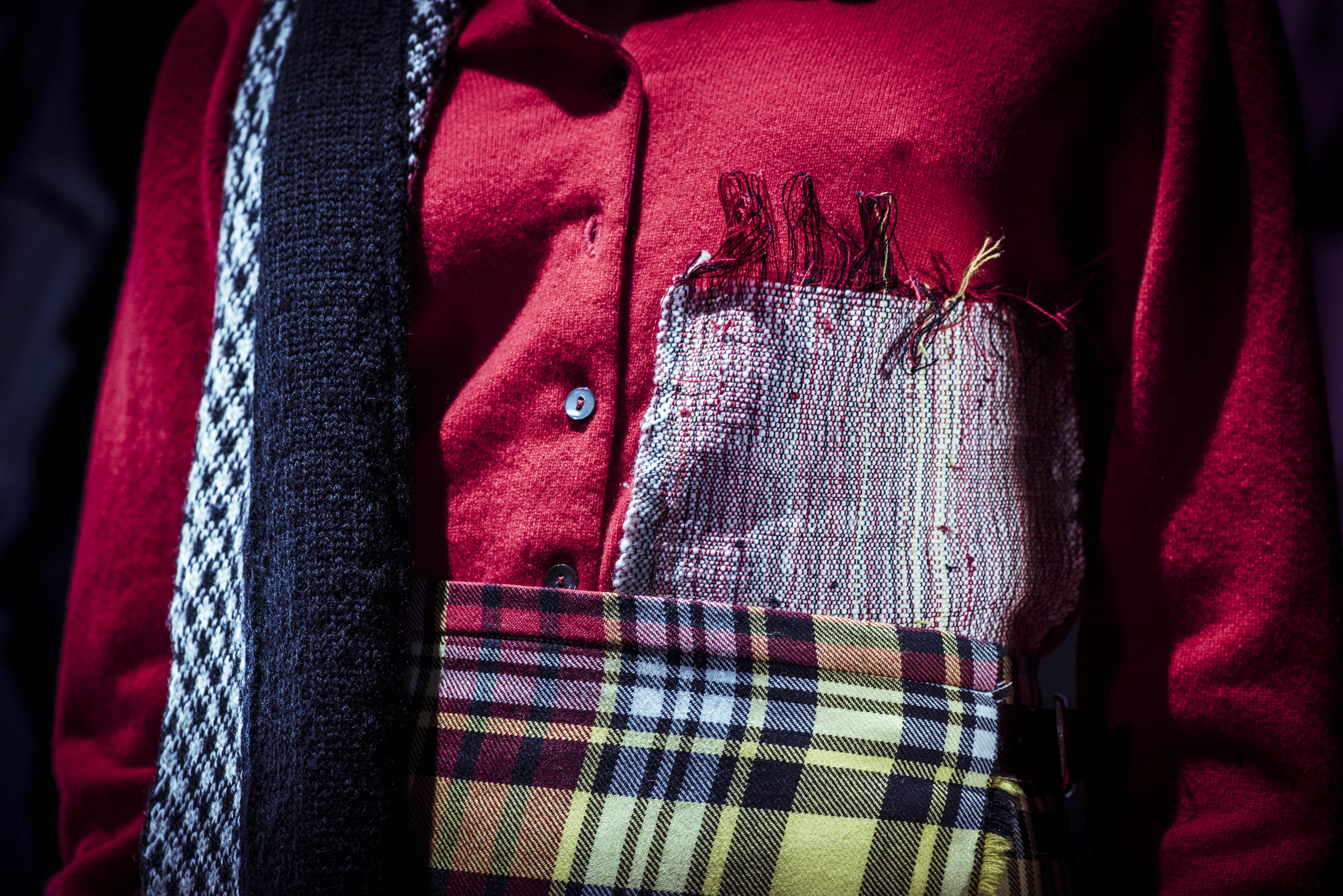
After she returned to London, she started a social business with the Mongolian herders and set up the company Tengri in 2014. Tengri has become a luxury lifestyle brand specialising in clothing, accessories and home interiors made from Khangai Noble Yarns and Fibres. It purchases yak fibres directly from co-operatives that now represent and benefit more than 4,500 nomadic herder families.
Tengri also works with heritage mills and bespoke tailors such as Huntsman Savile Row in Britain, making Mongolian yarns one of the most prestigious fabrics in the world.
“It is a problem we all face – the way that we consume. Resources will run out one day. How will we save ourselves? In fashion, it is important to determine how we can adopt technology to save [resources], from manufacturing to retail, and to be responsible for the world in the long run. It’s not just about making clothes any more.”
Like yarns and cashmere, wool is a 100 per cent natural material, and is sustainable as long as the sheep are treated well and the supply chain is run ethically. Among different types of wool, Merino wool from Australia is regarded as the finest.
“It is a natural, biodegradable and renewable fabric that not only keeps us warm, but also [functions as] a breathable material to keep us dry,” says textile expert Alex Lai, country manager Hong Kong for The Woolmark Company.