Meet Oliver Tarvet, who stunned against Carlos Alcaraz at Wimbledon: the 21-year-old student was the lowest-ranked player in the main draw, yet he put up an able defence against the world No 2

Tarvet won US$135,300 for reaching the second round of Wimbledon but can only keep US$10,000 of it under NCAA rules – ‘Big praise to Oliver. ... I knew I had to play my best tennis,’ commented Alcaraz

On what he described as the “most special day of my life”, Tarvet faced Spain’s Alcaraz, a five-time grand slam champion, in a match lasting two hours and 17 minutes. This was the first time the British student had played on the main tennis tour, and although he lost to the Spaniard 6-1, 6-4, 6-4, he left a strong impression with a level of determination and skills far exceeding his world rank of 733.
“In his second match on the tour, I just loved his game to be honest,” Alcaraz, Wimbledon’s two-time defending champion, commented. “I knew I had to play my best tennis. I was really happy with my performance, but big praise to [Tarvet] as well.”
He impressed his high-ranking opponent and everyone who watched his performance at Wimbledon on July 2. Here’s what to know about Oliver Tarvet.
Wimbledon inspired him as a child
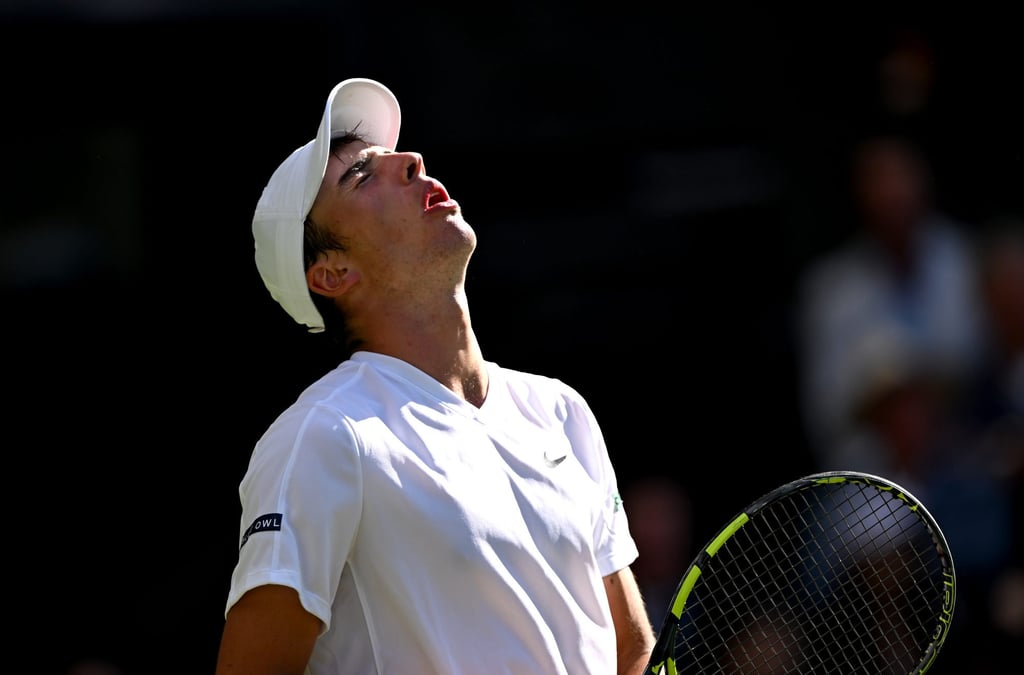
Tarvet first picked up a racket at a tennis centre near his family’s home in Hertfordshire, in southeast England, per the BBC. At six years old, he had his first real lesson – and according to the coach, “It was the best first impression anyone ever gave me in a first lesson.” Tarvet did not fully commit to tennis until he was in his teens, however. He was home-schooled for A-levels to enable him to play full-time at London’s Unique Tennis Academy.
He can’t keep most of his prize money
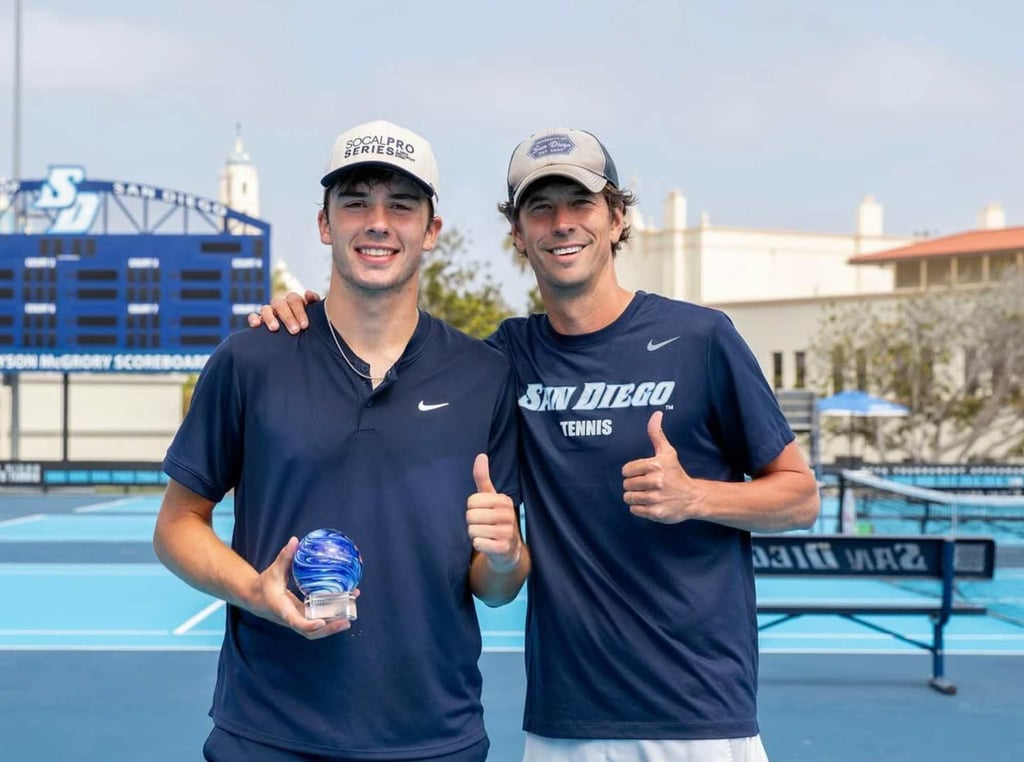
For reaching the second round of Wimbledon, Tarvet won £99,000 (US$135,300) in prize money – but he will not be seeing most it. The amateur is currently on the college team at the University of San Diego, where he is a rising senior studying communications. Under National Collegiate Athletic Association (NCAA) rules, he can only claim US$10,000 per year in earnings, to maintain his amateur status.