Advertisement
Advertisement
Advertisement
Icons & Influencers

Who was Jane Birkin? A new book dissects the life of the archetypal ‘It’ girl

STORYGloria Tso
Jane Birkin, subject of the new book It Girl, in Paris in 1985 clutching the original Birkin bag designed for her by Hermès; and the same bag in July this year, when it was auctioned off for US$10 million. Photos: AFP
Icons and Influencers

The woman whose practicality and style inspired the iconic Hermès bag was also a complicated character who struggled to be taken seriously
If you’ve ever rushed out the door carelessly throwing a bunch of stuff into your tote bag, you may have been channelling the inimitable Jane Birkin, the muse for the most famous tote of them all, the Birkin bag. As the story of her life suggests, she was much more than an actress, singer or style icon. She was an attitude in itself – “nonchalance personified”, as author and journalist Marisa Meltzer puts it in her upcoming book It Girl: The Life and Legacy of Jane Birkin.
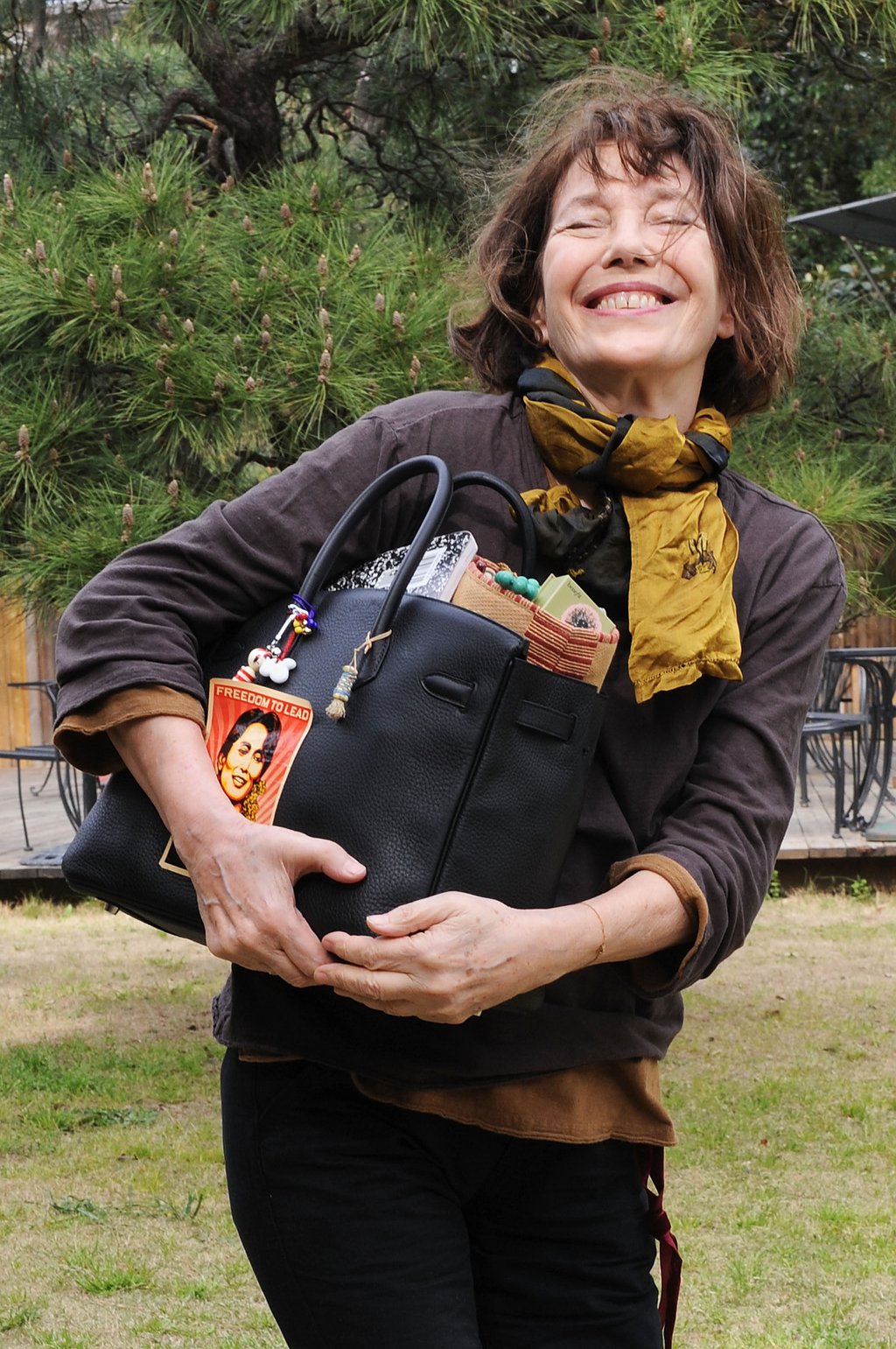
Decades on from Birkin’s heyday and two years since her passing, the pervasive myth surrounding her remains. Her pictures proliferate across the internet and onto our Instagram feeds to this day, especially those from her youth. Early headshots show Birkin as a beautiful, blooming girl, wide-eyed with wonder and with the fullest of lips, while paparazzi shots from the height of her fame picture a near-naked Birkin alongside arguably the greatest love of her life, singer-songwriter Serge Gainsbourg. Then there’s that iconic image of Birkin in her sixties, still smiling and hanging on to her overflowing mess of a Birkin bag for dear life.
Jane Birkin in 2013, still smiling and still clutching her overflowing Birkin bag. Photo: WireImage
Advertisement

Meltzer documents the British-born Birkin’s life as a case study in public perception and its parasocial nature, while wrestling with self-perception, selfhood and womanhood all at once: “She once said she preferred being naked on the beach because people would recognise her less easily.”

Rather than dwell on everything Birkin embodied to the general public, which has been done many times over, It Girl delves into the mind of a woman who’s been frozen in time and imagery, divulging the secrets behind those famous public moments that she locked away in her meticulously kept diaries. “She could be neurotic, she could be jealous, she could be really angry,” says Meltzer during an interview, “[and] intense about her career.” Discovering who Birkin really was in private might have threatened to strip away some of the magic that made her an “It” girl. Yet what the book reveals is an everywoman – layered, complex, and still worthy of the adoration and respect.

“This is a complicated woman who’s making her own decisions,” continues Meltzer. Entire chapters are devoted to Birkin’s all-consuming views on relationships and her unconventional style of parenting, which included famously toting around her newborn daughter in nightclubs.
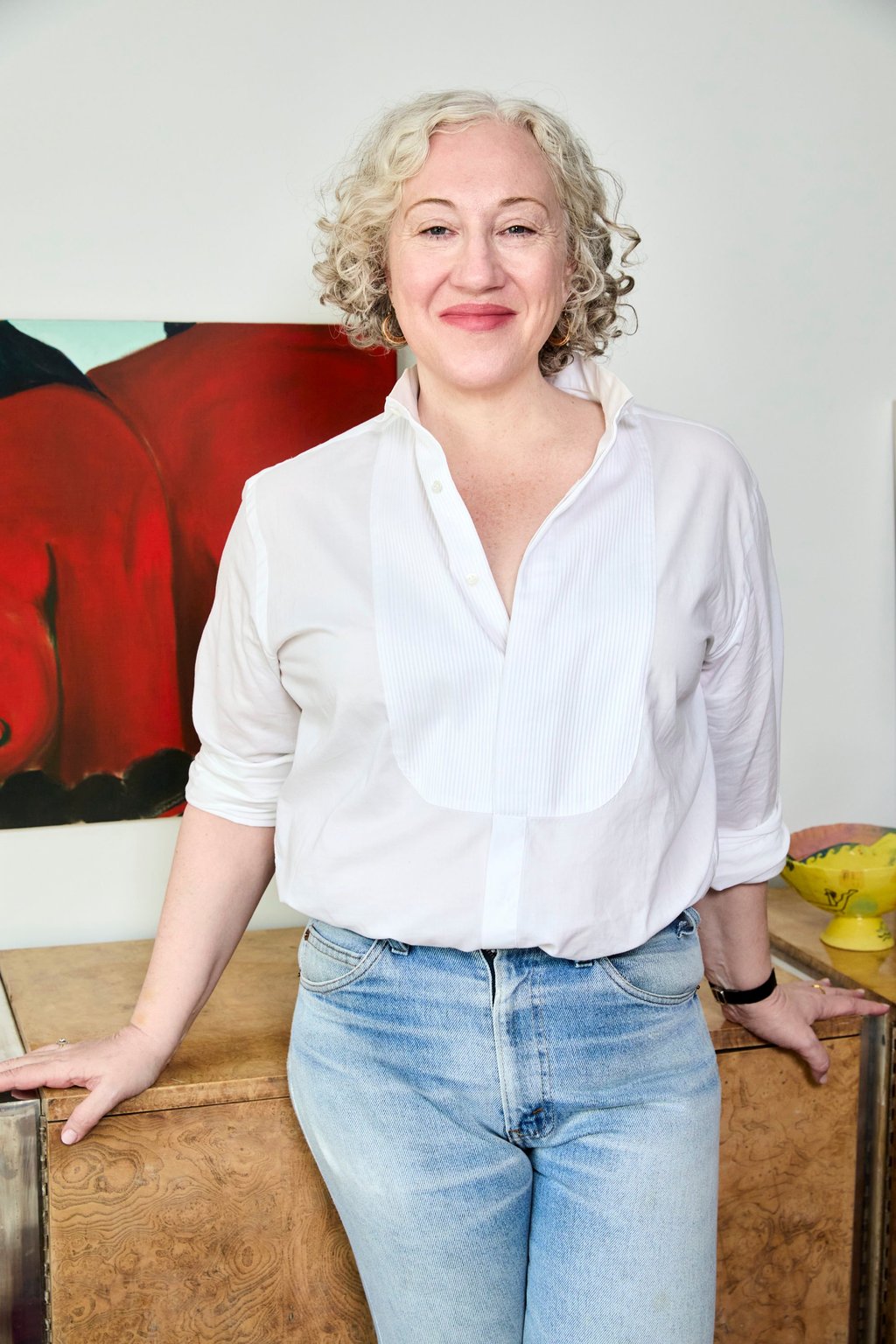
Marisa Meltzer, author of the book described as the “first comprehensive biography of Jane Birkin”. Photo: Jamie Magnifico

In every aspect, Birkin is presented as dichotomous. She was seen as “very candid” in interviews but sometimes seemed guarded too, particularly in the context of her relationship with Gainsbourg and their dramatic arguments. Privately, she downplayed disputes that others might even perceive as incidents of domestic violence, and took the blame. Publicly, she would contradict herself – and what we saw in the media – by refusing to self-victimise: “I am frightened by the fact that violence does not scare me,” she once said in a 1988 interview.

Then there was Birkin’s accidental naked dress moment; her distinctly casual, bohemian outfits; and the seemingly effortless sense of personal style she became known for – “that X-factor insouciance she brought”, Meltzer calls it, which she adds is “hard to give credit for, because on paper she was [just] wearing jeans or a T-shirt”. That stood in stark contrast to what could be argued as Birkin’s shaky sense of self, resulting from her serial monogamist, codependent ways, until her extended period of singlehood in her forties.

That Birkin is often remembered as an accessory and muse to her more famous creative and romantic partners – first composer John Barry, next the aforementioned Gainsbourg, and later director and screenwriter Jacques Doillon – and then as inspiration for a literal accessory, is as much as many know about her. (Birkin’s own original Birkin bag was auctioned off earlier this year for a record US$10 million, bringing her name once more into the public consciousness.)
Select Voice
Choose your listening speed
Get through articles 2x faster
1.25x
250 WPM
Slow
Average
Fast
1.25x