Jeff Staple, designer of the Nike Pigeon, on going beyond the hype in sneakers and streetwear

The streetwear icon just opened a Hong Kong store and launched a new line with Kenji Wong – and once pursued his first-ever collaboration with Brooks for 8 years
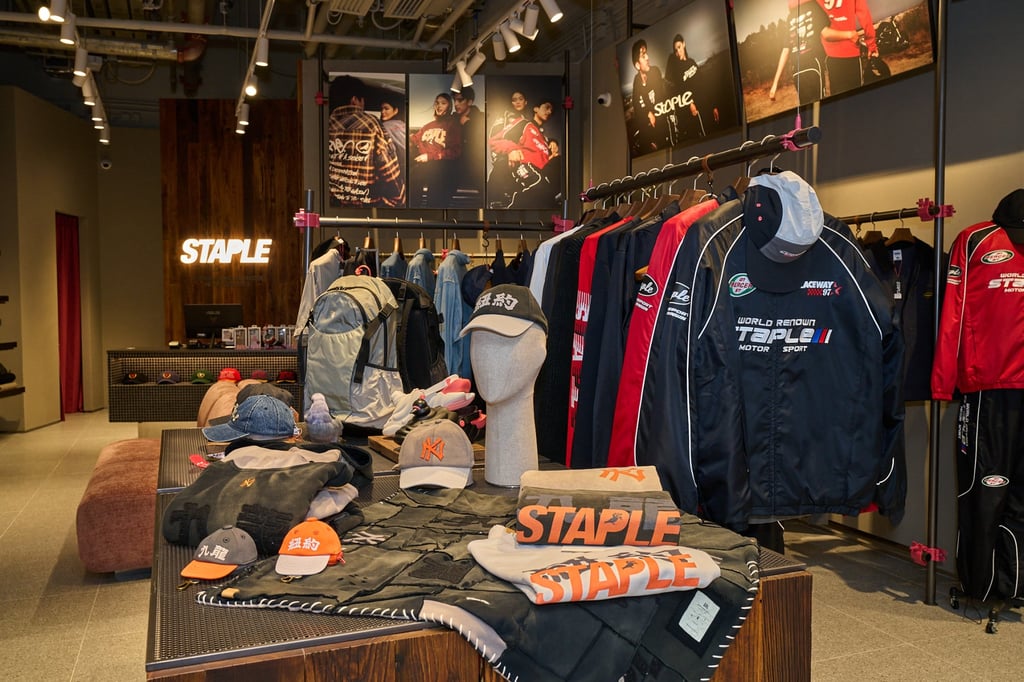
“If you’re ‘hype’, it means you’re not here for the long run,” Staple said in an interview ahead of his Hong Kong store opening, where he also unveiled a collaboration with local streetwear legend Kenji Wong’s cult brand Growth Ring & Supply. Staple has been around long enough to witness the highs and lows of sneakerhead and streetwear culture – likely before the term “hypebeast” was even coined – and describes his brand as an “experiment” here to stay, with it soon entering its third decade.
“We embrace hypebeast culture, but, hell, I named the brand [and myself] Staple, which means an essential element that you can’t live without,” he explained. “We’re not hype, we’re a staple. Yet we did things that are the Mount Rushmore of hype.”
For the hundreds of sneakerheads who literally put their lives on the line to cop a pair of Staple’s limited-edition Nike Pigeon sneakers back in 2005, that mantra – sneakers as staples for living, not just streetwear – may very well be gospel. Staple’s collaboration with Nike is not only remembered for shaping sneaker culture as we know it today, but also for sparking a riot that made front-page news at the time, and has continued to make headlines ever since. For days leading up to the Nike Pigeon’s highly anticipated release that February, devoted fans queued up in the cold, sleeping outside Staple’s former retail store in the Lower East Side, Reed Space – only to be met by New York Police Department officers and SWAT teams, called in to break up the burgeoning crowd.
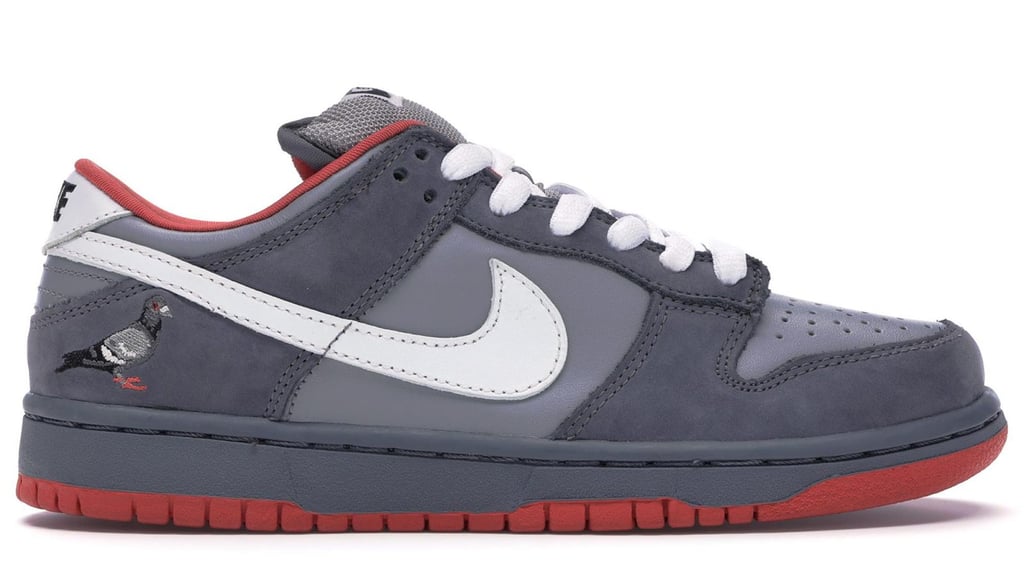
The Nike Pigeon, decked out in the bird’s colours with a grey upper and orange outsole, may be a simple design at first glance, but what it stood for would turn out to be revolutionary. Seemingly overnight, Staple brought what was once seen as an underground subculture into the mainstream with a shoe that embodied what streetwear is really all about – a symbol for a grassroots movement which, much like the near-ubiquitous bird that inspired it, made itself seen and heard on street corners around the world.
“The essence of streetwear is creators being able to make something from nearly nothing – paints, a marker and a T-shirt,” says Staple, who notes that a lot of what made streetwear special to begin with – hustle, grit, organic originality – has since gotten lost in the grand commercial scheme of things. While the Nike Pigeon only cost around US$30 wholesale, according to Staple, it retailed for 10 times that, and now easily goes for over US$30,000 on resale platforms like StockX.