Undercover’s Jun Takahashi on ‘chaos and balance’, and his debt to fellow Japanese designers – interview

The punk-inspired founder of Undercover talks about his debt to brands like Comme des Garçons, Yohji Yamamoto and A Bathing Ape
When Undercover founder Jun Takahashi travelled to Hong Kong for the opening of a store last month, he didn’t just mingle with fans and sit down for a bunch of interviews, the things fashion designers normally do when promoting a new boutique.
At the event, held at the beachside enclave of Repulse Bay, Takahashi held a doll-making session while his rock band – which he co-founded with long-time friend Nobuhiko Kitamura, the man behind fellow Japanese label Hysteric Glamour – performed live.

Takahashi – who celebrated the 35th anniversary of Undercover last year – is not a household name outside fashion circles, but he is one of the most respected and influential designers in the world. Softly spoken yet unguarded, the 56-year-old possesses that ineffable quality that only Japanese men seem to have: an innate nonchalance and unaffected demeanour that exude confidence and humility at the same time.
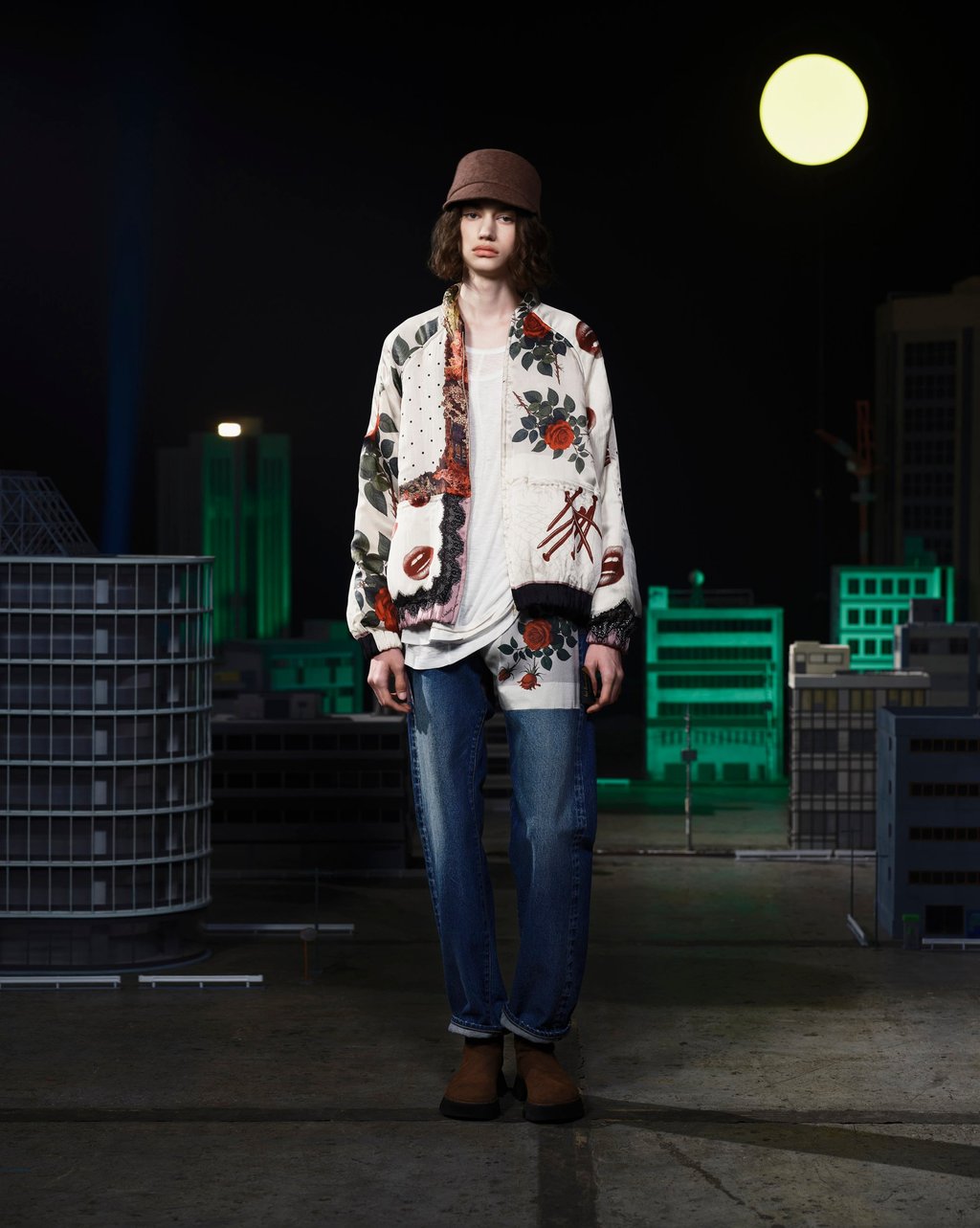
Takahashi established his label, whose self-explanatory moniker reflects his low-key attitude, while studying at the prestigious Bunka Fashion College in Tokyo. It was there that he started making T-shirts and selling them to friends, before teaming up with one of them to open a store in the then up-and-coming neighbourhood of Harajuku.
That friend was none other than Nigo, the founder of A Bathing Ape and another pioneering figure in streetwear. Nowhere, the shop that the two of them opened in 1993, was one of the seminal boutiques that turned Harajuku into a fashion mecca.
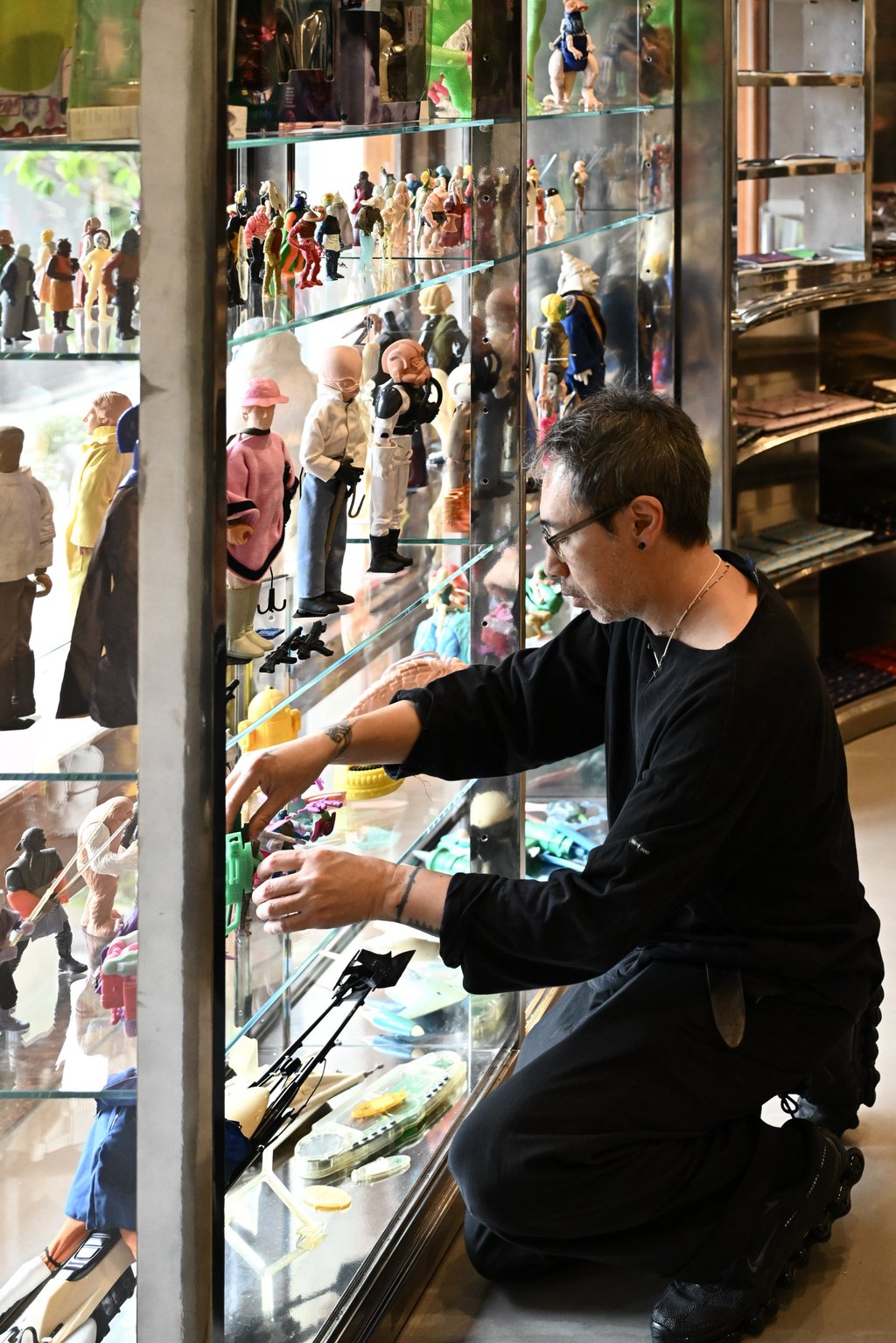
More than streetwear or other easily definable categories, however, Undercover has always been associated with punk, the strongest influence on Takahashi from the very beginning. “For me, punk is not just about style but more like a philosophy and attitude – breaking the status quo – and that has always been the main influence,” he says in an interview in Hong Kong. “It’s not just about music or style, but this philosophy and being a rebel. No matter what generation, young people still have that same energy I had when I was young.”
While it’s easy to dismiss Takahashi’s penchant for punk as just another way to sell expensive T-shirts and hoodies, he is not simply exploiting a movement that has been co-opted by designers left and right over the years.