Style Edit: Delvaux CEO Jean-Marc Loubier on the brand’s living legacy and the new Hong Kong flagship

The former LVMH executive has always been invested in Asia – and the new Hong Kong store is a testament to this
From Brussels to Beijing to Hong Kong and beyond, few European luxury brands have built as strong a presence in Asia as Delvaux, the world’s oldest luxury leather goods maison. Spearheading much of that formidable growth in the region is CEO Jean-Marc Loubier, who isn’t interested in using stiff economic terms to talk about the business. The long-standing luxury visionary instead refers to consumers as “clients” and reimagines Delvaux’s accessories as architectural icons of the brand’s nearly 200-year-old legacy.
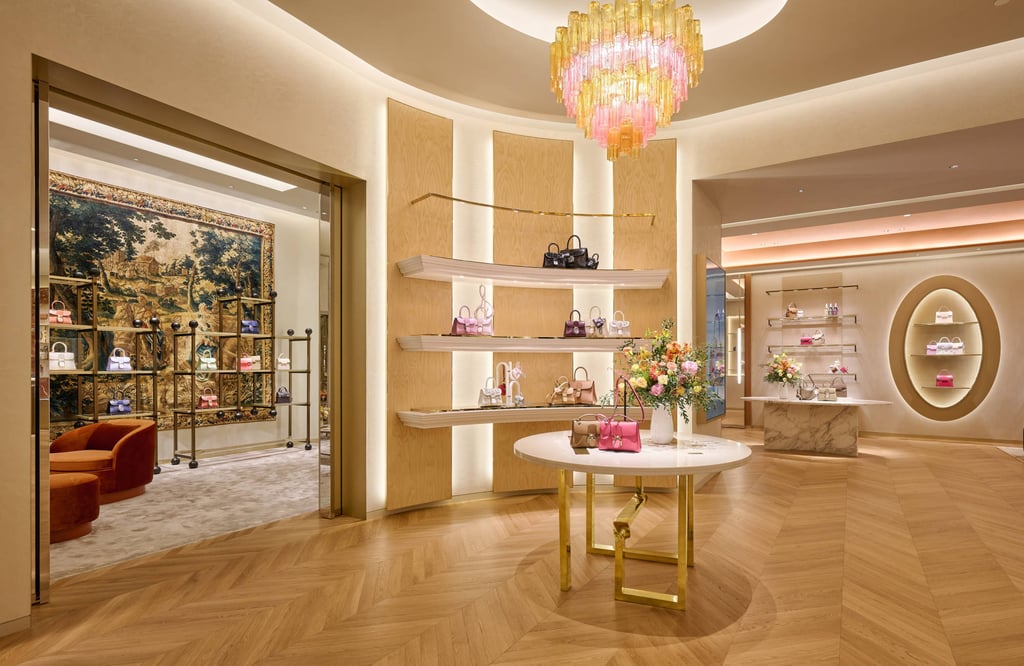
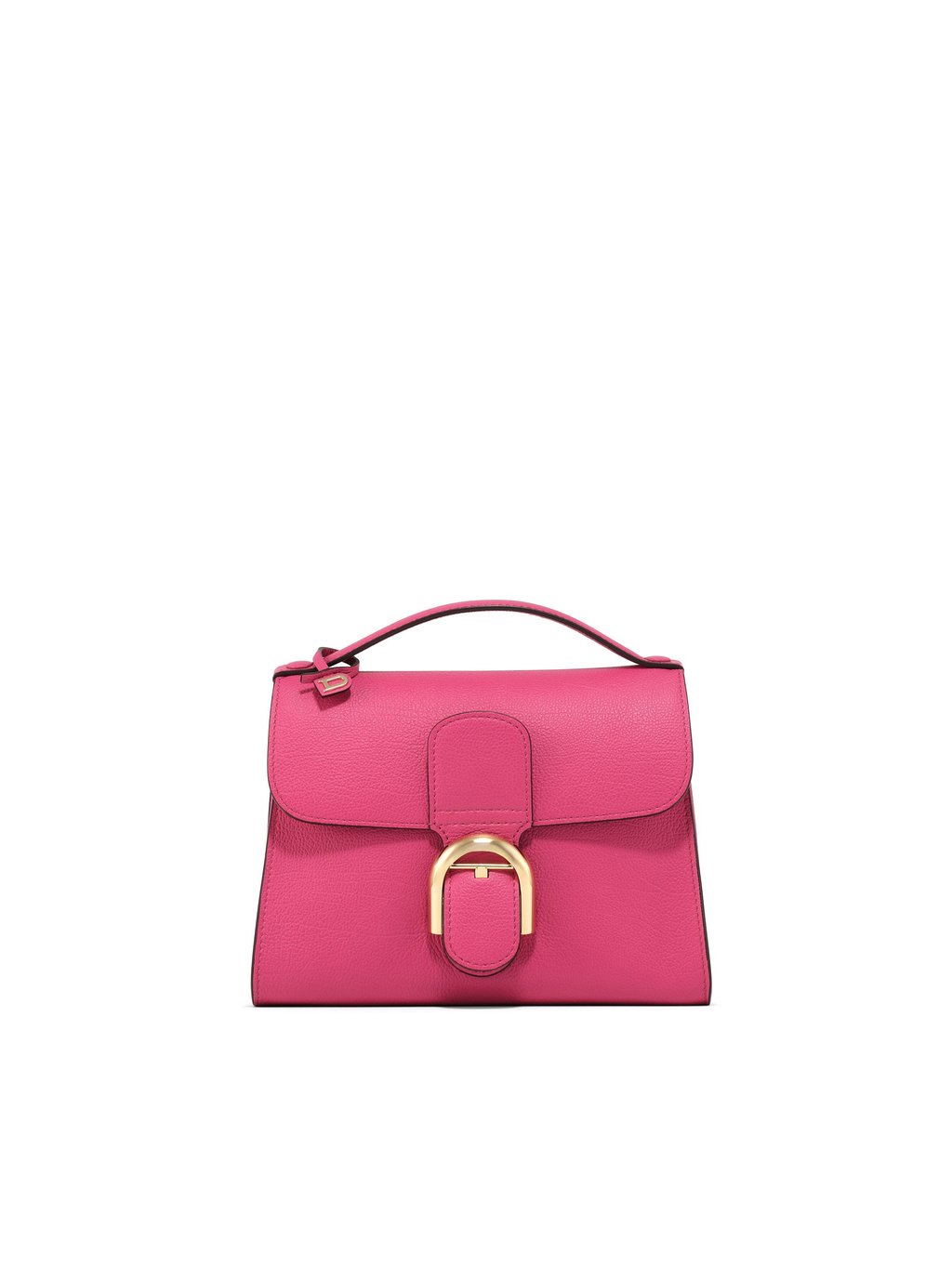
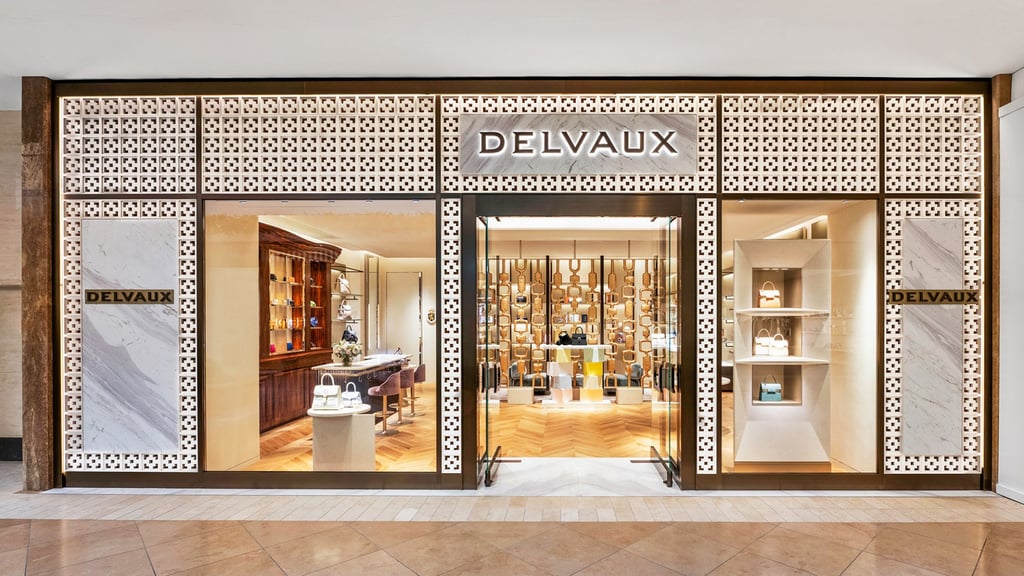
“We have more or less 50 stores in the world, none of them the same,” Loubier says as he gives me a tour of Delvaux’s new Hong Kong flagship at K11 Musea, pointing out one of the brand’s signature Brillant bags along the way. “It’s so well done because we are the architect of leather. It’s aesthetic beauty, but functional beauty, too.”
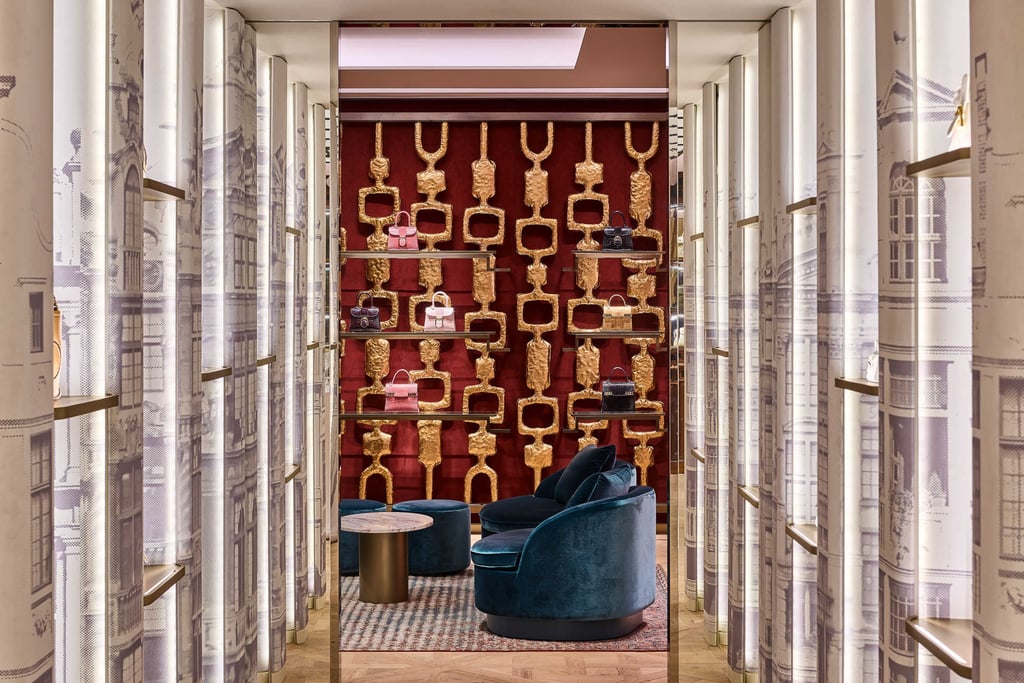
Getting a private tour from the CEO himself is pretty indicative of the special treatment one can expect upon entering a Delvaux boutique: each location upholds high standards in customer service and interior design just as Loubier intended. “It’s a way to look at [the] future of luxury, which is about authenticity and also personalisation, specifics,” he adds. “Delvaux is an antidote to standardisation. The spirit is welcoming, open, respectful and not rigid.”
Delvaux has always been about culture over commerce, Loubier emphasises. The proudly Belgian brand was established in 1829 and, since 1883, has served as an official purveyor to the Royal Court of Belgium. Today, it’s well known for its work with the Magritte Foundation, even adorning its Brillant, Tempête and Pin bags with motifs inspired by esteemed Belgian artist René Magritte’s body of work.
Back in 2011, however, Delvaux “was on the edge of disappearing”, says Loubier, who managed to salvage it with the help of Asian partners. Though the former LVMH executive is an experienced businessman, well-versed in mergers, acquisitions and closing deals, buying and resurrecting Delvaux after decades of it slowly fading into obscurity was no easy task. It was the cultural cachet of it all, however, that proved attractive to him.
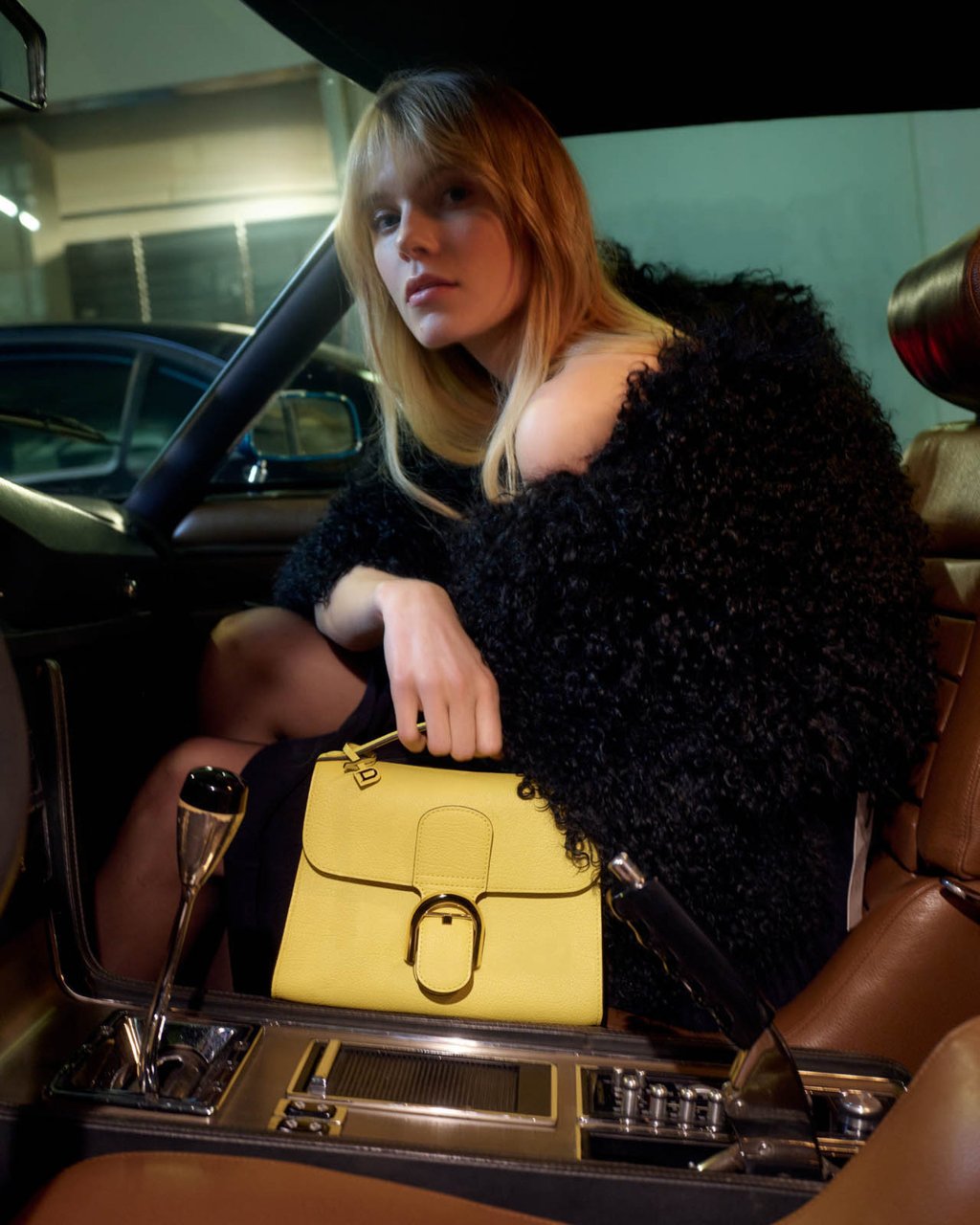
“In fact, I discovered Delvaux without knowing Delvaux when I was at [Louis] Vuitton,” says Loubier. He was instantly mesmerised by these mysterious bags, which eschew logos or labels in favour of more striking, instantly recognisable silhouettes. “I didn’t know of the bag. I didn’t know the name of the company. I [thought], ‘how interesting’.”