HSBC highlights trends shaping longevity economy, reveals factors driving wealth creation
AI and shifts in consumer behaviour are changing the way wealth management experts and investors are planning for the future

HSBC hosted a Future Wealth Conference at The Rosewood Hong Kong earlier this month, bringing together industry leaders, financial experts and high-net-worth individuals to explore the forces reshaping wealth in an era of rapid change. The conference was an exclusive event for the bank’s Premier Elite clients.
The conference, themed “Unpacking Trends, Unlocking Opportunities”, focused on three critical areas: the opportunities and challenges of extended lifespans, the transformative potential of artificial intelligence (AI), and the shifts seen in consumer behaviour, with panel discussions led by experts in their respective fields.
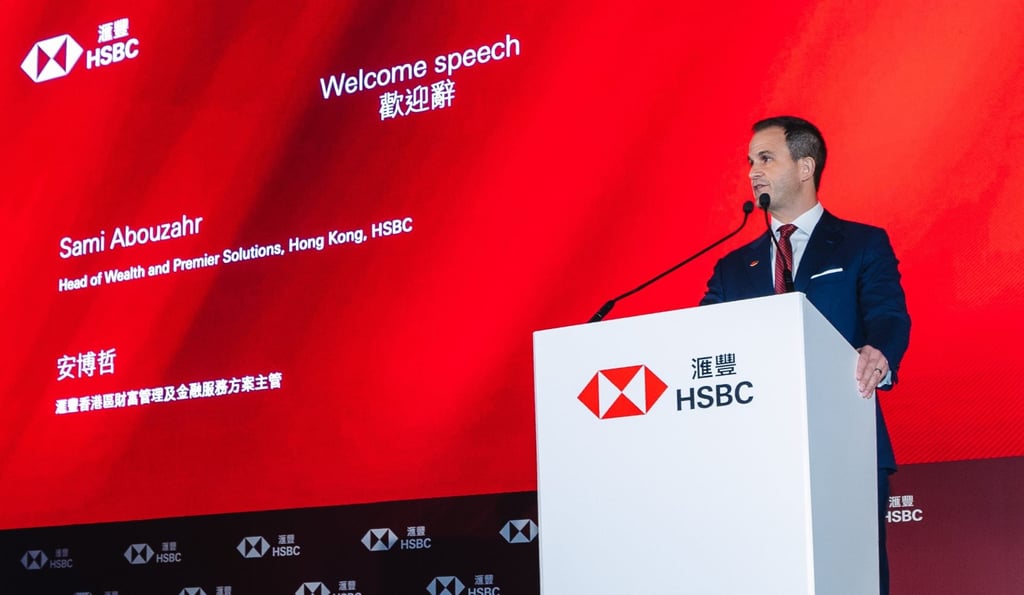
Rethinking retirement
Hong Kong boasts one of the highest life expectancies in the world, at 86 years. As such, individuals are redefining retirement as the next chapter in their lives. However, recent challenges including the pandemic, market volatility and inflation have heightened concerns about financial security in old age.
A recent HSBC survey reveals just 39 per cent of respondents feel prepared for retirement, highlighting the need for a fresh approach to financial planning.
The event’s opening panel discussion, “The New Longevity Playbook”, addressed these issues directly.
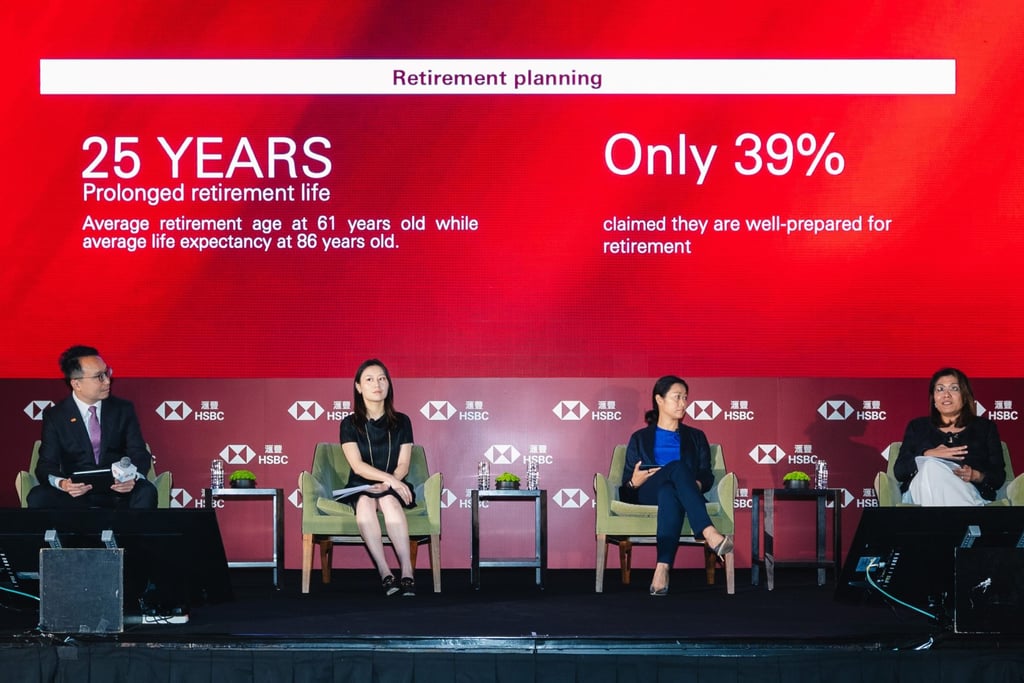
Gopi Mirchandani, CEO, Hong Kong and head of client group of Asia for Schroders, pointed out a critical oversight in retirement planning. While many individuals plan financially for about 15 years, their post-retirement life often stretches to more than 22. “Post-retirement investing is often underestimated,” she said, stressing the need for strategies that ensure stable income and liquidity throughout old age.
Mandy Lui, managing director and head of Greater China wealth at BlackRock, reinforced this point, highlighting three essential pillars for retirees: securing steady income, embracing calculated risks to benefit from market growth, and maintaining adequate liquidity to handle unforeseen expenses.
Meanwhile, Dr Christine Huang, founder and CEO of Quantum Life, a Hong Kong-based company that aims to reinvent healthcare in view of greater longevity, drew attention to the emergence of AI-powered tools that assess biological age and predict health risks, offering attendees a glimpse into the future of personalised healthcare.
Adoption of humanoid robots
In recent years, the world has made significant breakthroughs in AI, driving the development of related industries and accelerating the deployment of humanoid robots to perform tasks. The second panel discussion, “AI in Action: Pioneering the Next Frontier”, shifted focus to the transformative potential of AI.
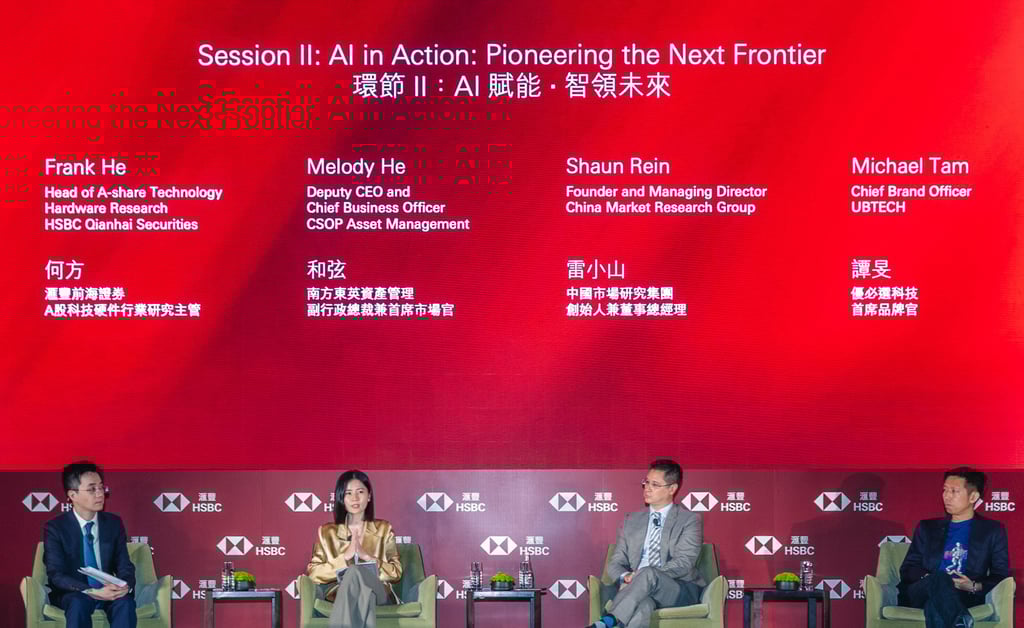
Michael Tam, chief brand officer at UBTech Robotics, a China-based developer of intelligent robots, said he remains optimistic about China’s progress in redefining itself as a global leader in AI.
“China has been actively building a supply chain for humanoid robots. We believe that industrial manufacturing will be the first sector to achieve large-scale adoption of humanoid robots,” he said.
Other panellists, including Shaun Rein, founder and managing director of China Market Research Group, also expressed optimism about China’s competitive edge in AI. He emphasised that more countries are choosing to cooperate with China, primarily because it advocates for open-source technology and offers reasonable prices. And while the country’s economic outlook still faces challenges, in the long run, he said, its competitiveness in the AI field remains strong.
However, Melody He, deputy CEO and chief business officer of CSOP Asset Management, an EFT (exchange-traded funds) issuer, said that while there has been a noticeable inflow of capital into Chinese tech stocks, investors should remain cautious and focus on companies delivering tangible results through AI rather than speculative ventures.
Decoding tomorrow’s consumer
The third panel discussion, called “Decoding Tomorrow’s Consumer”, brought attention to the rapidly evolving preferences of consumers, who are looking for emotional connections, self-expression and personal fulfilment.
Patrick Cheung, chief digital officer of Chow Tai Fook Jewellery Group, emphasised the growing importance of Intellectual Property (IP) in driving consumer engagement. “The launch of IP products has become a significant component, incorporating elements such as ‘China Chic’ culture and trendy IPs,” he said.
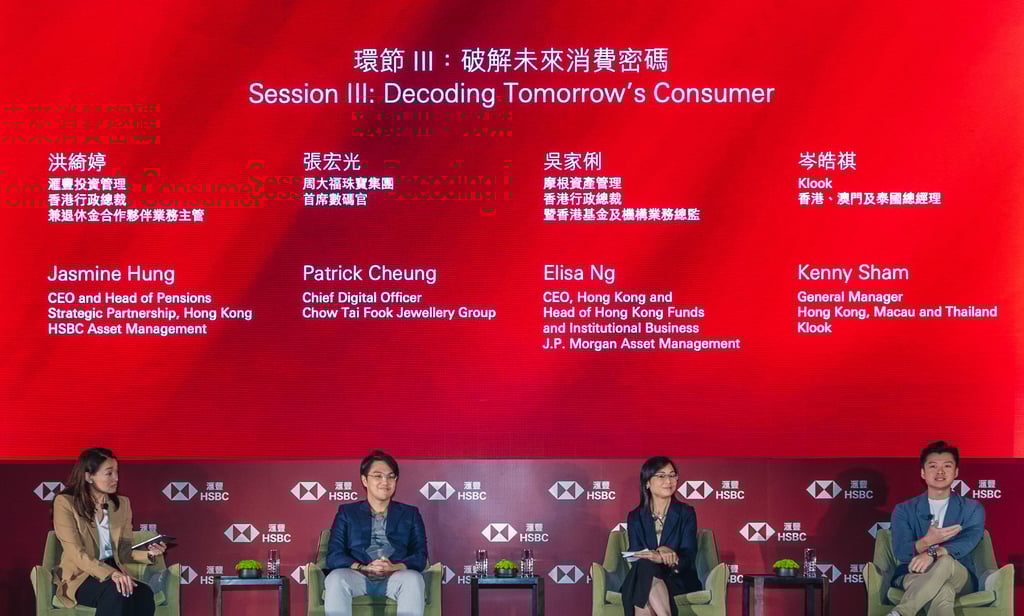
Elisa Ng, CEO, Hong Kong and head of Hong Kong funds and institutional business at J.P. Morgan Asset Management, suggested the rise of the IP economy is influencing consumer behaviour and investment strategies, giving rise to what she described as the “goods economy”, while urging investors to pay attention to emerging consumption trends, particularly those shaped by technology.
Meanwhile, panellist Kenny Sham, general manager for Hong Kong, Macau and Thailand at Klook, agreed that the shift towards an “emotional economy” has sparked major new consumption trends, noting the growth of a stronger inclination towards wellness tourism, where people hope to unwind and de-stress through travel.
Long-term wealth
To address the retirement planning needs of Hong Kong residents and to proactively prepare for future opportunities, HSBC Premier Elite provides comprehensive insights into its clients’ financial position and life aspirations to deliver tailored wealth management solutions.
The bank says the recent wealth conference fulfils its commitment to its Premier Elite clients by helping them explore broader investment opportunities and enabling wealth growth and legacy planning in a complex global environment.
Disclaimer from HSBC
Investment involves risk. This information is intended for persons in Hong Kong.