The secret ingredient in your daily life: why Malaysian palm oil is used around the world
Found everywhere from food products to biofuel, this vegetable oil is preferred for its versatility, safety and sustainable production
You might not realise it, but there is one ingredient that appears in almost everything you use every day, from instant noodles to ice cream, lipstick and laundry detergent. Its name? Palm oil.
More specifically, Malaysian palm oil. The country is one of the world’s top producers of this widely consumed vegetable oil, supplying various industries across the globe.
“It is the most versatile and safest vegetable oil, and therefore one of the most widely consumed oils on the market,” says Professor Tan Chin Ping, a food scientist who has spent more than two decades studying the quality, safety and processing of palm oil in Malaysia.

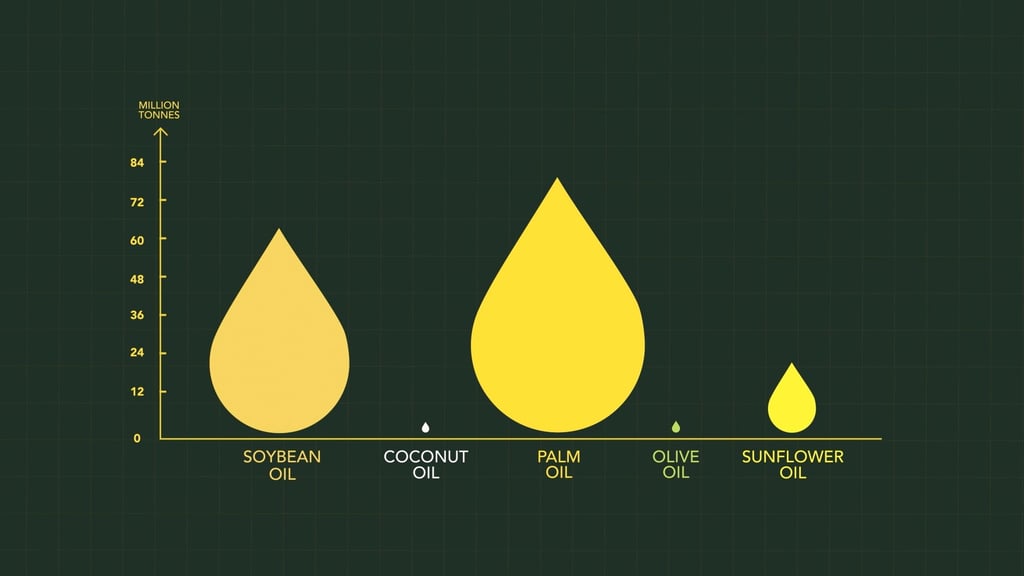
Palm oil consumption has soared over the past four decades. In 1980, global demand was about 5 million tonnes annually. By 2020, that figure had grown by more than 15 times to over 79 million tonnes per year. Tan notes that palm oil accounts for about 40 per cent of the world’s vegetable oil consumption, with Malaysia exporting it to nearly 160 countries.
Palm oil is found in a vast array of products ranging from margarine, dairy cream and baked goods to cosmetics, detergents and biofuel.
A safer, more stable oil
One reason palm oil has become so ubiquitous is its stability under heat. Tan’s research focuses on how the oil performs in high-temperature cooking, as is used for instant noodles, potato chips and baked goods.
“At such high temperatures, many vegetable oils will have created harmful by-products or are not stable,” he explains. “You eventually lose some of the essential nutrients. But palm oil is relatively very stable, and that gives it the opportunity to be widely applied in all kinds of high-heat treatment, such as frying or baking.”
This high-heat stability not only preserves the oil’s quality, but it also helps extend the shelf life of fried foods, making palm oil a preferred choice in large-scale food production.
Natural versatility
Palm oil is also a popular choice because of its unique physical make-up. Most vegetable oils are liquid at room temperature, which limits their use in food products that require a solid fat component. But palm oil is different.
“Palm oil’s versatility is mainly due to its composition,” Tan explains. “It has both liquid and solid fractions at room temperature, where other types of vegetable oils don’t have this property.”
This natural structure means palm oil can be used in foods such as sausages, ice cream and baked goods without needing to undergo partial hydrogenation – a chemical process used to turn other vegetable oils into solids, but which can also create harmful trans fats.
An efficient and sustainable option
Amid rising global demand for vegetable oils – consumption is projected to continue growing about 3 per cent year over year, according to the United States Department of Agriculture – the way in which palm oil is produced has come under scrutiny. However, Tan says oil palm is one of the most land-efficient crops available, producing as much as 40 per cent of the world’s vegetable oil while only using about 10 per cent of the total land planted with oil crops.
“The Malaysian palm oil industry has been producing high-quality palm oil to feed the ever-increasing world populations,” Tan adds. “And when we talk about sustainability, we are talking not only about the environment, but we are also looking at long-term economic and social viability for society.”
The Malaysian Sustainable Palm Oil (MSPO) certification scheme sets strict environmental and social standards that require producers to protect forests, support fair labour and use land responsibly.

Even with palm oil seeing widespread use in food, personal care and even biofuel, researchers like Tan believe its full potential has yet to unfold.
“We can still continue to explore new ingredients coming from palm oil,” Tan says. “We can still do a lot of modifications, optimising the processes. That is why it is such a wonderful oil to work with.”
Watch the video to learn more from Tan about what makes Malaysian palm oil unique and so widely used.