What goes into building a healthier Malaysian plate
A nutritionist highlights how portion control, fibre-rich foods and cooking with palm oil can bring balance to everyday diets
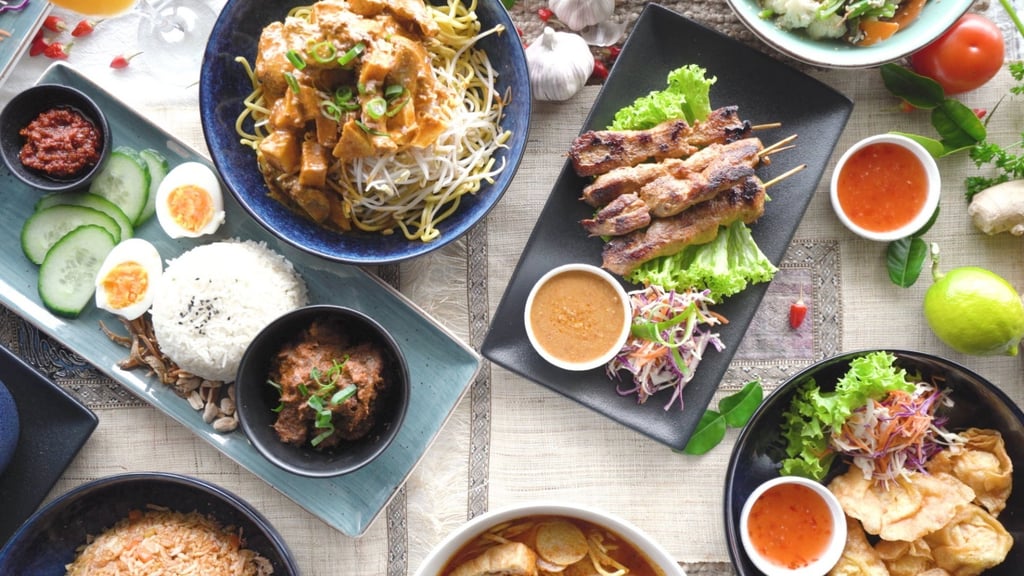
What is on your plate? In Malaysia, it is usually a heap of white rice, a serving of protein and a single vegetable on the side. But according to Dr Roseline Yap, a nutritionist who is also managing editor of the Malaysian Journal of Nutrition, a simple shift in portions – along with better choices for cooking them – can turn that plate into the foundation for long-term health.
“Malaysians are not consuming enough vegetables and fruit. The diet is very low in dietary fibre and lacks vitamins, minerals and important phytonutrients,” Yap says. This lack of balance, combined with large portion sizes, has contributed to rising rates of lifestyle-related diseases in the country, including heart ailments and diabetes mellitus.
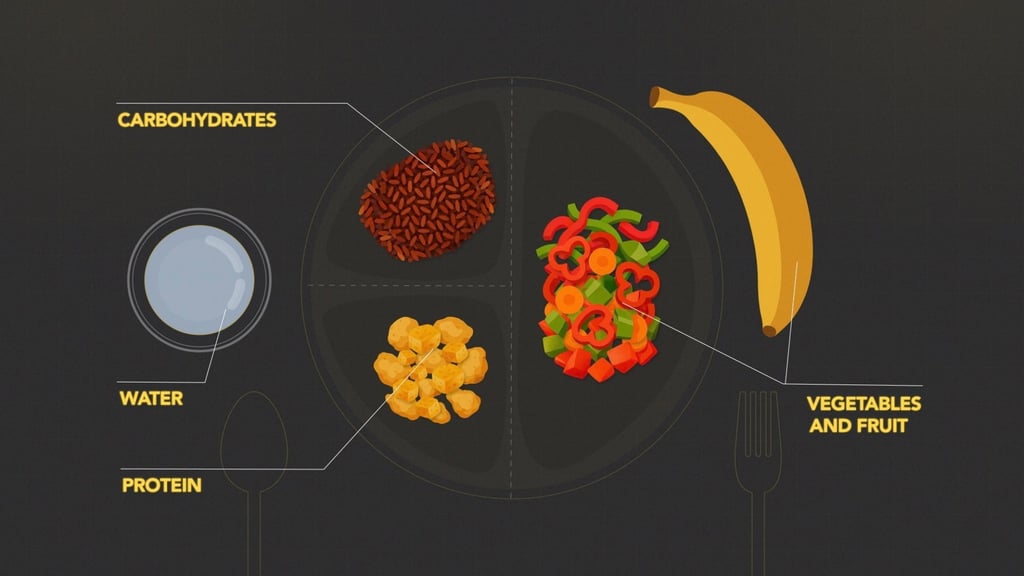
To encourage healthier habits, Malaysia’s Ministry of Health has introduced the Malaysian Healthy Plate guide for meal planning. It offers the simple concept of “Quarter-Quarter-Half”: one quarter of the plate has carbohydrates like rice or noodles, one quarter has a protein such as chicken, fish or legumes, and the remaining half has fruit and vegetables. A glass of plain water completes the meal.
“Usually the traditional plate is loaded with a lot of rice and protein, and the only vegetable is served like a garnish,” Yap says. The Malaysian Healthy Plate guide aims to make portions more balanced and encourage a greater intake of fibre and nutrients.
Beyond portion sizes and food selection, the choice of cooking oil is another important factor in building healthier meals. Yap points to palm oil as a practical option for Malaysian kitchens, noting: “Compared to other oils like canola or sunflower, palm oil is actually a great choice because of its high vitamin E content and does not contain trans fats.”
Palm oil for cooking comes in two forms, each providing different benefits. “Red palm oil is richer in provitamin A [carotenes] and vitamin E and has a deep colour, while golden palm oil is more refined and best for high-heat cooking,” Yap explains. This versatility makes palm oil suitable for a wide range of Malaysian dishes, from stir-fries to deep-fried favourites.
Even using a small amount is enough to unlock its benefits. According to Yap, just one to two tablespoons used in a stir-fry still lets diners benefit from the oil’s vitamins and antioxidants. Cooking with palm oil also enhances the absorption of the fat-soluble vitamins A, D, E and K.
The rest of the meal should be colourful and varied. Yap encourages people to choose whole grains such as brown rice, select lean proteins and make sure to fill half their plate with vegetables and fruit.
Yap’s passion for nutrition is personal. Her father’s struggles with heart disease inspired her to study how food and lifestyle changes can prevent illness, and she now works to share that knowledge with others. As of 2024, more than half of Malaysians are overweight or obese, and heart disease remains one of the leading causes of death in Malaysia, according to the country’s National Health and Morbidity Survey, making Yap’s message more urgent than ever.
However, the path forward is not about giving up beloved Malaysian dishes, but is instead about finding balance. “Healthy eating doesn’t mean less enjoyment,” Yap says. “It means making choices that let us enjoy our food while protecting our health for the future.”
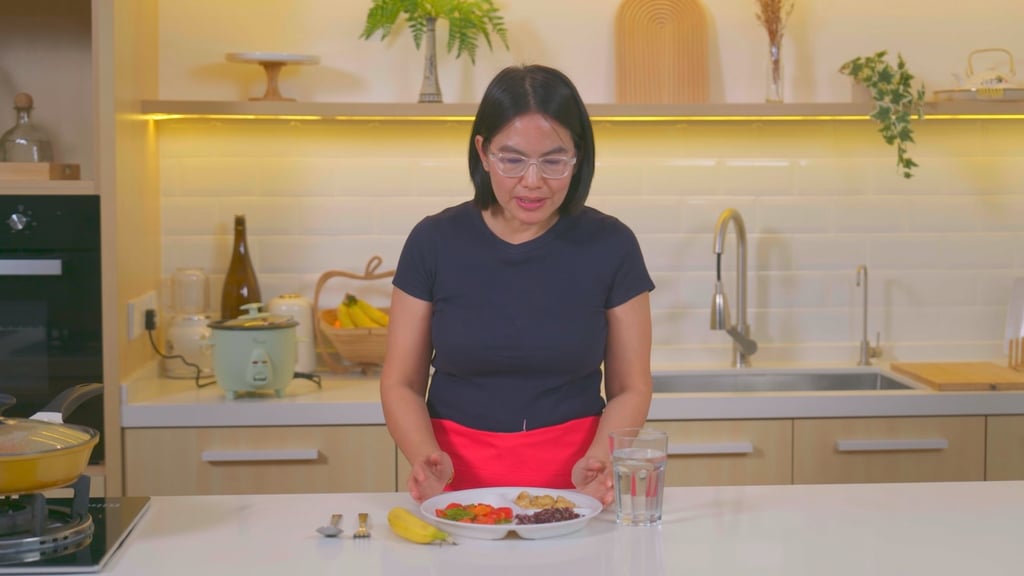
To show how these principles come together in practice, Yap shares a simple recipe for lemon chicken with whole-grain rice and colourful vegetables, a dish that demonstrates how smart grocery shopping, measured portion sizes and cooking with palm oil can turn an everyday meal into a well-balanced plate.
Watch the video to see how Yap builds a balanced plate for healthier eating.