Hong Kong puts Chinese AI autonomous driving technology firm on road to global expansion
InvestHK, city government agency responsible for attracting foreign direct investment, helps Uisee open new international HQ, office and R&D centre

Hong Kong’s economic growth and future prosperity depend to a large extent on the success of enterprises in developing and deploying new technologies and capitalising on their potential.
The city, of course, must be ready to play a full part in this new age of innovation, which is already transforming many aspects of trade, industry and finance by creating era-defining products, supply chains and opportunities for investment.
Fortunately, it is doing just that by rolling out the welcome mat for entrepreneurial start-ups and forward-looking businesses from mainland China and around the world.
Taking the lead in this respect is InvestHK, the government agency responsible for attracting overseas and mainland businesses and providing them with the advice, practical assistance and network of contacts to help them establish a presence in the city.
Importantly, that support continues along every stage the companies embark on in their different phases of growth. Appropriate experts are on hand to act as consultants on everything from training programmes and finding bigger premises to securing sources of funding and planning for overseas expansion.
One company that has clearly benefited from this extensive backing is Uisee, a Chinese company that is a leader in autonomous driving technologies.
In February this year, the firm chose Hong Kong not only for its international headquarters, but also as the place to establish a new R&D (research and development) centre and an office to oversee corporate treasury functions, responsible for things such as the management of financing, debt, investment, foreign exchange risk and insurance.
Uisee, originally founded in Beijing in 2016, first came to Hong Kong a year later and, along the way, has shown commendable ambition and foresight in setting and achieving its objectives.
It already has multiple offices in mainland China, as well as R&D centres focused on the in-house development of artificial intelligence (AI) driving technologies – using computer systems that can copy intelligent human behaviour – plus a number of trial production and application innovation centres.
All the signs indicate that the company’s management structure, technical expertise and all-round strengths are in place to become a major global player.
Its plans for overseas expansion began in earnest back in 2017, marked by the signing of an agreement to start a driverless project with Hong Kong International Airport (HKIA). The deal was secured in the face of stiff competition from rival companies in China, Germany and Japan, and is proving to be very successful.
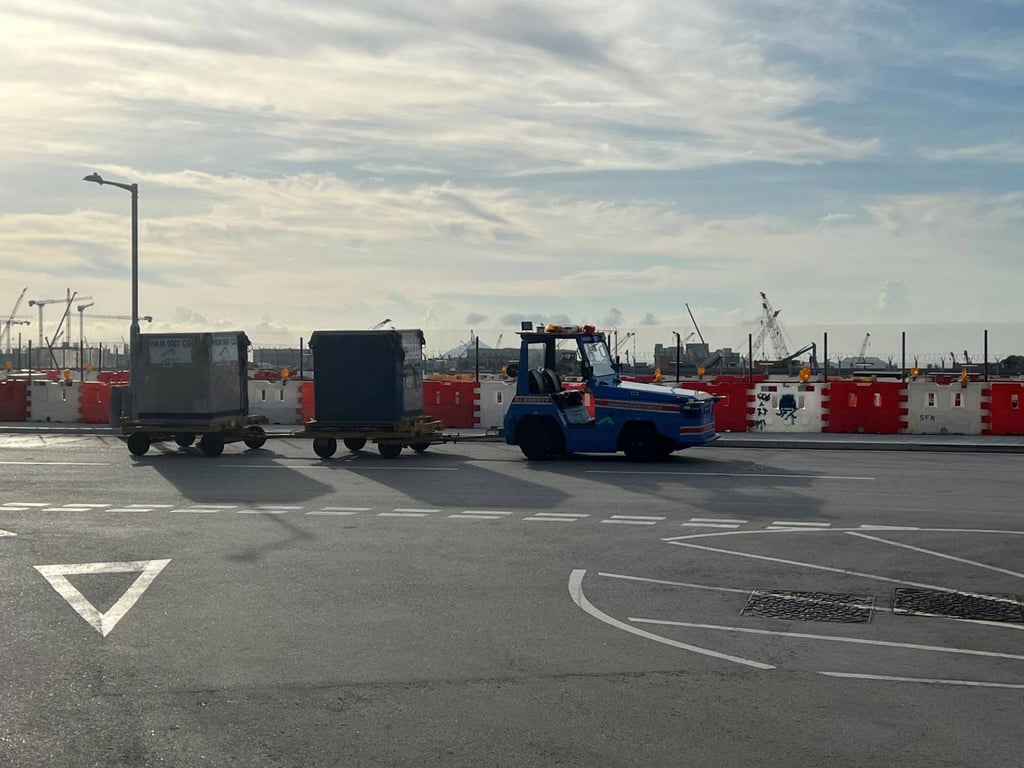
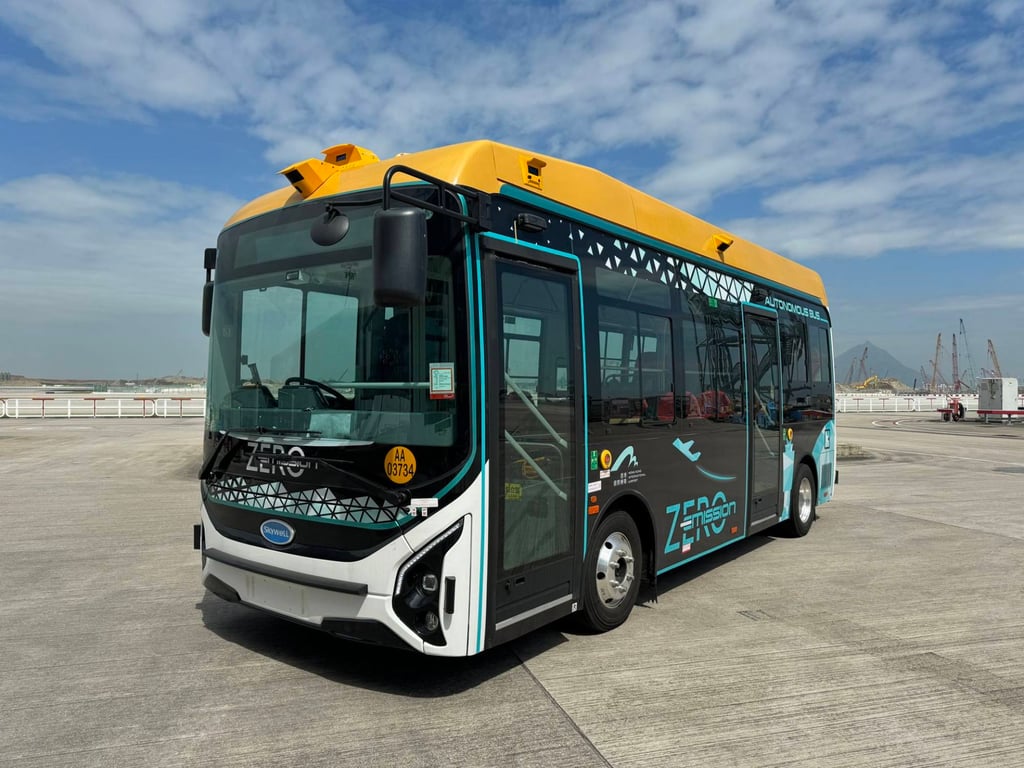
To date, Uisee has provided more than 50 specialised driverless vehicles for HKIA, including autonomous electric tractors for baggage and cargo operations, patrol cars for perimeter monitoring, and driverless electric buses for transporting staff.
One statistic shows that, taken together, these airport vehicles have reliably completed operations while travelling millions of kilometres. Furthermore, the round-the-clock availability of these vehicles has helped to address a number of persistent challenges, ranging from talent shortages to cost issues and outdoor working in intense weather conditions.
HKIA sees the greater use of autonomous vehicles as essential to operating a “smart airport” and believes it has chosen the right partner – one that shares the same passion for improvement and a common vision in putting technology to work.
For Uisee, the general plan now is to keep progressing to provide similarly effective AI driving services for all industries and scenarios. Doing so will also help to establish a lower-carbon transport ecosystem for logistics, travel, manufacturing and other fast-evolving sectors.
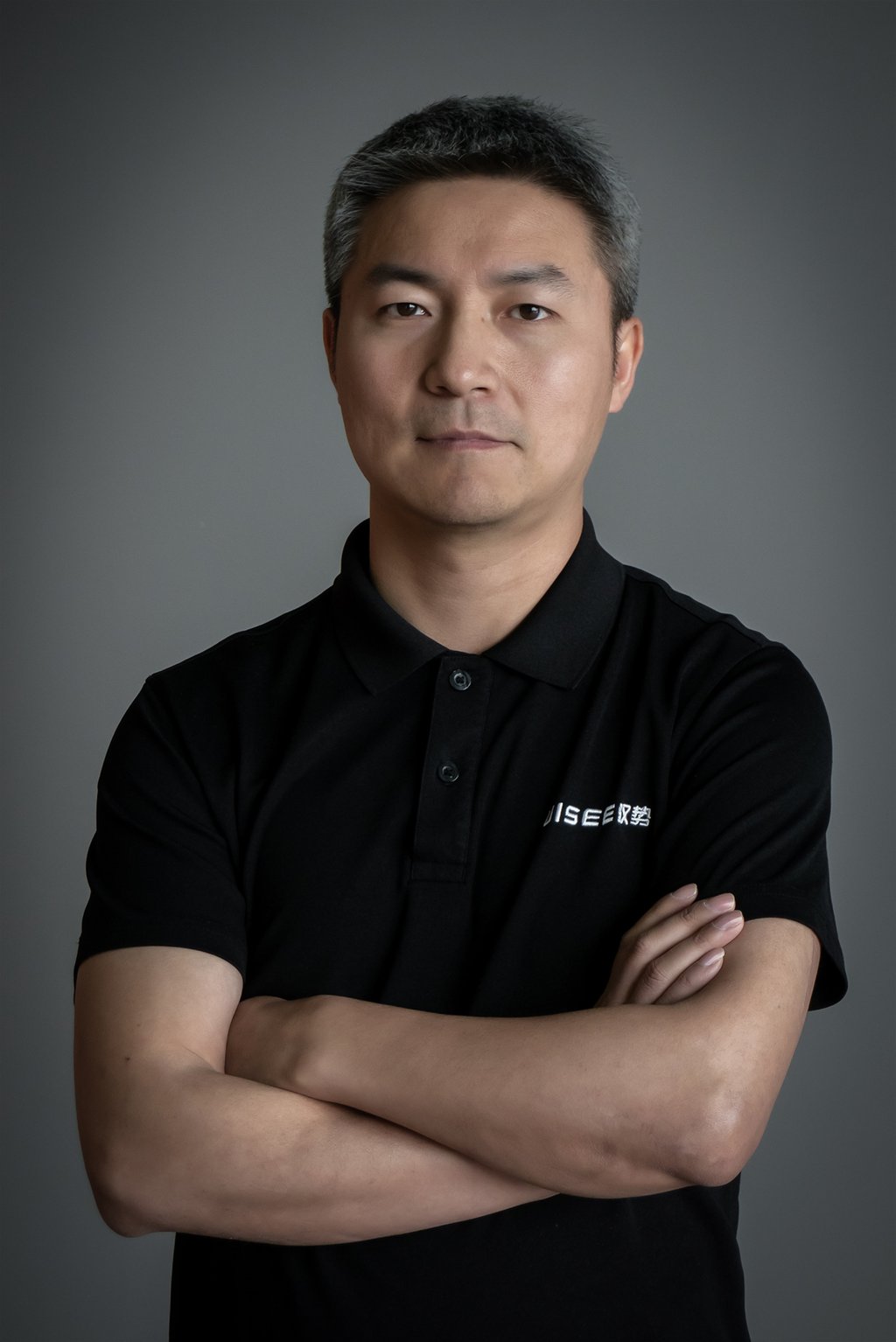
In the early days, Gansha Wu, co-founder, chairman and CEO of Uisee, was quick to recognise the attractions of Hong Kong as a base for R&D and further international expansion.
This tallied with the group’s vision of being an enterprise that has “Beijing DNA, with Hong Kong bloodline” – a blueprint for providing high-standard Chinese-made products for the global market.
“With its strategic location, extensive business network and excellent connectivity, Hong Kong was the natural choice when deciding where to set up our international headquarters,” Wu says.
“Having established our safety record and operational efficiency with HKIA, which showcases our company’s capabilities, we are now expanding our foothold to Singapore, the Middle East and Europe.”
That step will entail a certain amount of reengineering to customise existing autonomous vehicles to local conditions. It may also require additional funding.
Previously, Uisee announced three rounds of financing from strategic investors. The participants included Bosch, the German electronics giant; China’s National Manufacturing Transformation and Upgrading Fund, which comes under the Ministry of Finance; Chongqing Gaoke Group; and Dongfeng Asset Management.
Looking ahead, though, there is the possibility of a dual-listing initial public offering and Hong Kong, as a leading international financial centre, could be expected to play a major role in handling that.
The support from InvestHK could involve anything from suggesting potential clients, R&D partners or financing options to providing updates on the latest government plans for allowing autonomous driving vehicles on Hong Kong’s public roads.
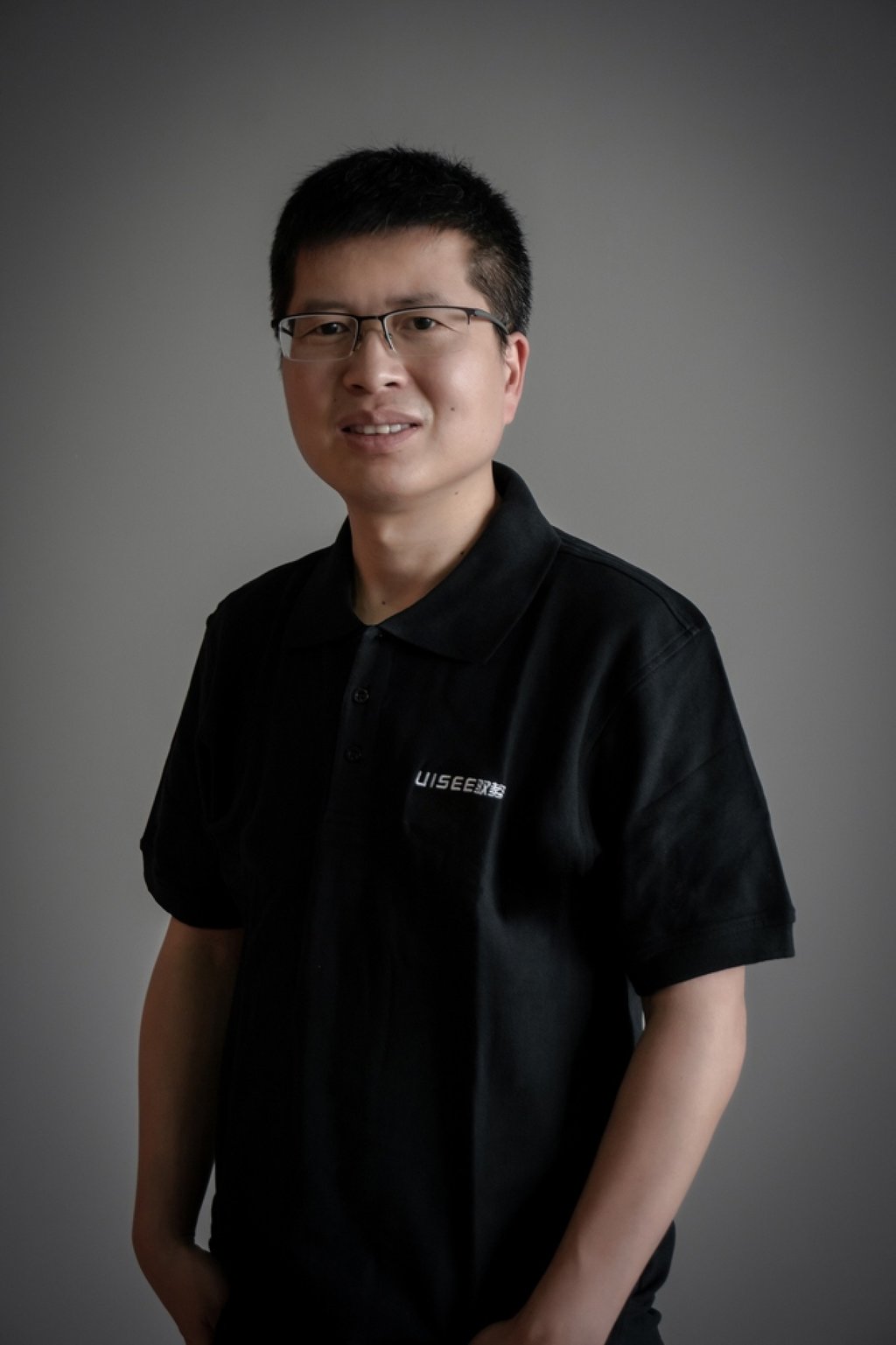
“We got to know InvestHK through some local events they organised, and our collaboration started from there,” Paul Peng, co-founder of Uisee and CEO of Uisee Technologies (Hong Kong), says.
“They helped our company settle in quickly, which allowed us to focus on business development and, now, to explore more opportunities overseas.”