How two Hong Kong firms’ innovative solutions enhance well-being in belt and road regions
Modern Dental Group and Insilico Medicine keen to use city’s unrivalled global connections to create a healthier world

Hong Kong is keen to foster its medical and health industries and position the city as a global hub for technology and innovation as it offers world-class research and development (R&D) infrastructure, a strong talent pool and many favourable policies and incentives for companies in these industries.
Chief Executive John Lee Ka-chiu announced a series of initiatives during last year’s policy address – the annual platform used to chart the Hong Kong government’s plans for the future – to support the city into an international health and medical innovation centre.
Hong Kong businesses are already forging ahead in providing healthcare services to partners around the world by making use of the city’s position as a functional platform for China’s Belt and Road Initiative. This plan aims to encourage collaboration among participating countries in fields such as trade, infrastructure, innovation, digitalisation, green development and healthcare.
Companies that are leading the charge in global healthcare collaboration include Modern Dental Group and Insilico Medicine.
Modern Dental Group, a dental prosthetic device provider and distributor, which was founded in Hong Kong in 1986, has operations around the world, including in mainland China, Southeast Asia, Europe, Australia and Africa. In 2023, the company reached the milestone of helping 2 million patients.
The company continues to leverage Hong Kong’s unique advantage as a gateway between China and the world to expand its business. It recently acquired Hexa Ceram Dental Laboratory, one of Thailand’s largest dental laboratories, and opened a production facility in Vietnam. These new premises have enabled the company to offer dental prosthetics at more affordable prices.
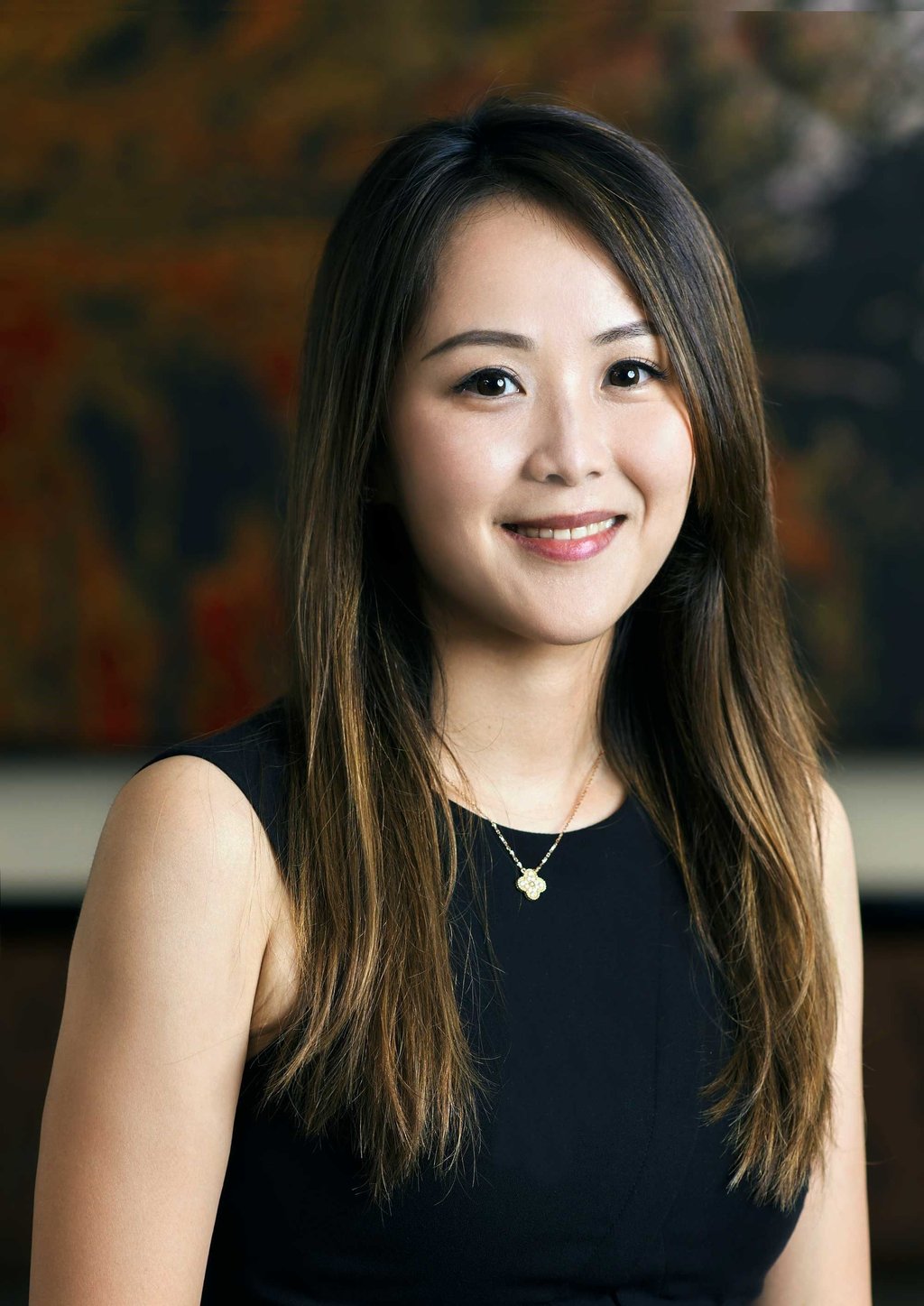
“Our original production site in [the southern Chinese city of] Dongguan focuses on more premium products,” Edith Chan, the company’s executive director and chief marketing officer, says. “By diversifying our production sites, we hope to serve new markets and customers that we weren’t able to reach before and cater to more people in need.
“We want everyone to have the same proper dental care regardless of their socioeconomic background. Our mission is to reduce inequalities and for everyone to have access to dental healthcare.”
As with other healthcare disciplines, dental care is quickly becoming more digitalised. Dentists can now use small oral scanners to take 3D images of a patient’s teeth and send them directly to the lab, where the production of dental prosthetics can begin almost immediately.
However, there is still a lack of knowledge among dental care professionals in some emerging countries – something that Modern Dental Group hopes to change.
Since 2018, the Modern Dental Care Foundation – a charity founded by Modern Dental Group’s European arm, Modern Dental Europe – has carried out seven outreach missions to Madagascar, to promote better dental care among residents on the southeast African island nation.
This has involved working with Malagasy dentists to provide essential procedures to more than 1,000 patients in a week and conducting school visits to educate children about the importance of preventive dental care.
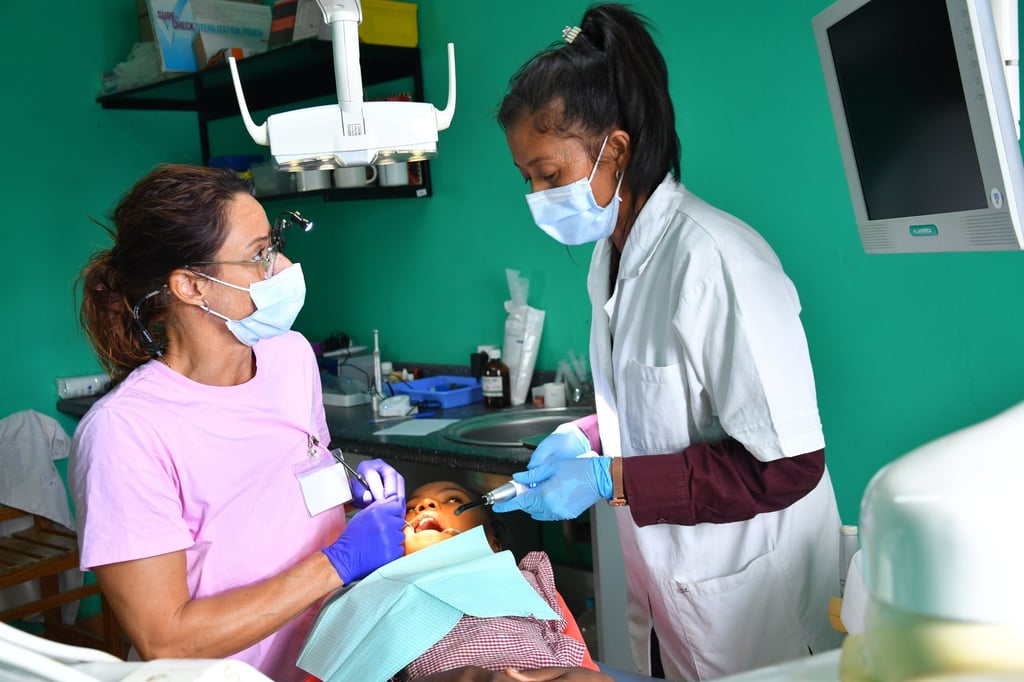
The company also launched an online education platform, the Center of Dental Education, in 2019, offering courses and webinars to about 500 dental care professionals around the world, including lectures and hands-on instruction about new trends and developments in digital dentistry from leading practitioners.
It also works with universities and healthcare institutions in many countries to provide training to young dentists using the latest equipment and digital dentistry solutions.
“Our education system allows us to share our experience and best practices in digital dental solutions to dentists in emerging belt and road countries,” Chan says.
“Our mission is to reduce inequalities and to ensure that everyone has access to dental healthcare. As a leading dental company, it’s really important to us to lead as an example and to give back.”
Insilico Medicine shares Modern Dental Group’s commitment to enhancing the well-being of people in belt and road countries and beyond.
The global biotechnology firm uses generative artificial intelligence (GenAI) – a type of AI technology that utilises advanced machine learning models to study existing data and create new content – to help discover and develop innovative drugs for treating medical conditions such as cancer, fibrosis, infectious and autoimmune diseases.
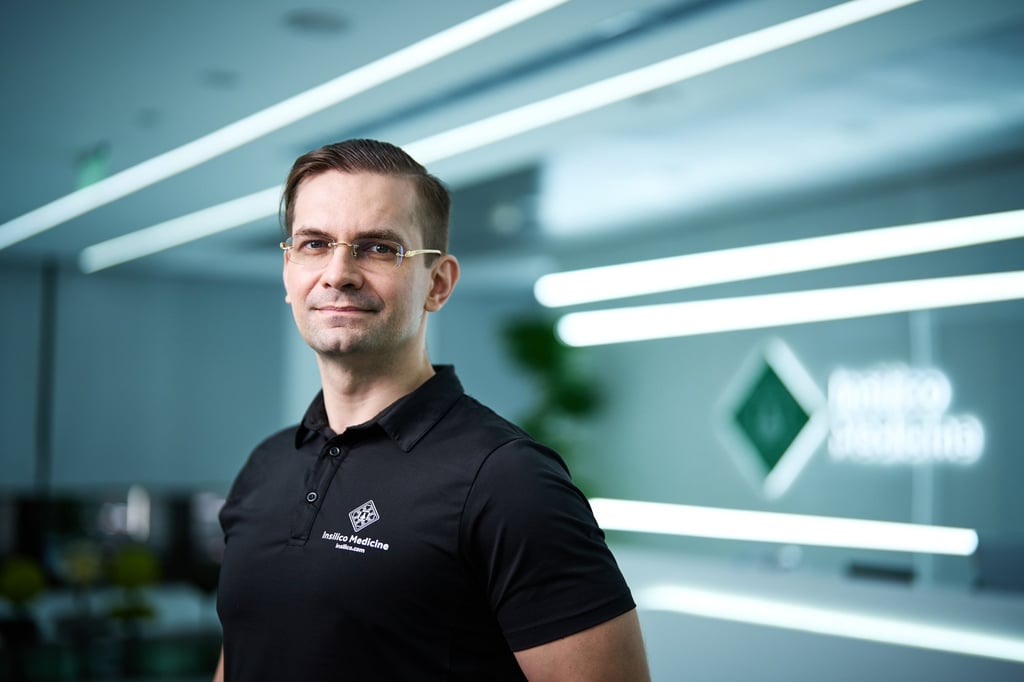
Dr Alex Zhavoronkov, the company’s founder and CEO, says AI drug discovery – where “frontier AI technology” is used to more quickly and efficiently understand diseases and develop effective treatments – will play an increasingly important role in improving the quality of life for people around the world.
His firm’s Pharma.AI platform, a GenAI-powered software and robotics solution used in the fields of biology, chemistry, medicine development and science research, has helped to develop a portfolio of 31 programmes for 29 drug targets.
Ten of these programmes have received clearance from the United States Food and Drug Administration’s Investigational New Drug programme or the Center for Drug Evaluation of the National Medical Products Administration in China.
Insilico Medicine has used GenAI, for example, to develop a drug – now in late-stage trials – to treat the deadly lung disease, idiopathic pulmonary fibrosis. The preclinical development of the project was completed in 18 months and cost US$2.6 million – a significant improvement on the traditional process, which could last anywhere between two-and-a-half and four years and cost tens of millions of US dollars.
Zhavoronkov says the use of its AI platforms and tools can enable healthcare companies and organisations in emerging countries, including those that are part of the Belt and Road Initiative, to take part in AI drug discovery.
“Drug discovery is a molecular casino; every roll of the dice can cost you hundreds of millions of US dollars,” he says. “Our job is to get more countries to join this molecular casino … to significantly increase the probability of success while making the entire process cheaper.”
Founded in 2014, Insilico Medicine is headquartered in Boston and Hong Kong and has several offices around the world, including in Shanghai, Suzhou and Abu Dhabi. Its outpost at Hong Kong Science Park, in Pak Shek Kok, serves as the company’s “brain for R&D”, Zhavoronkov says.
Its presence in Hong Kong helps his firm make full use of the city’s international connections and position as a gateway between mainland China and the rest of the world, and its expertise in innovation and biotechnology, while it expands globally and develops its therapeutic programmes, he says. Companies such as Insilico Medicine are also able to benefit from Hong Kong’s robust investment resources to secure funding.
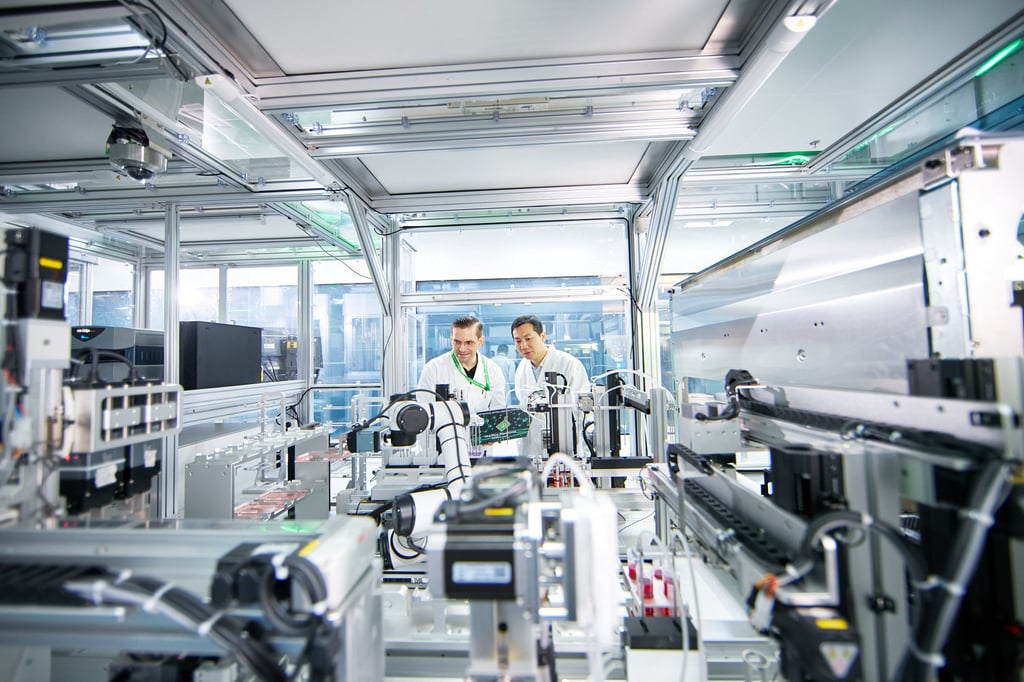
Zhavoronkov says his company also carries out its synthesis and testing in Suzhou, eastern China, where it has a fully automated AI-powered robotics laboratory for target discovery, compound screening, precision medicine development and translational research.
Meanwhile, its work on applied AI functions, such as heavy model training and fine-tuning for chemistry, takes place at its AI-powered biotechnology research centre in Abu Dhabi – the largest facility of its kind in the Middle East.
“Many emerging markets, such as countries in the Middle East, have never aspired to start their own drug discovery programme due to the lack of infrastructure,” Zhavoronkov says. “What we can do is to provide them with a bridge to China, to allow them to innovate and design a product in their countries.”