Squid Game star, Japanese drummers and a dance inspired by Zulu rickshaw drivers take centre stage
Hong Kong’s third cultural Asia+ Festival will feature plays, concerts, performances and other activities by artists from over 30 countries

This year’s third Asia+ Festival, which will include more than 100 stage productions, dance performances, concerts and other presentations featuring leading artists from more than 30 countries across Asia and beyond, runs from September 19 to November 30.
The festival – presented by the city’s Culture, Sports and Tourism Bureau and organised by the Leisure and Cultural Services Department – aims to highlight international cultural collaboration, in particular countries in Asia and those linked by the Belt and Road Initiative, China’s plan to develop a global trading network.
It opens with the reimagining of Anton Chekhov’s play The Cherry Orchard. The Korean-language version, which sees an heiress return home to find her chaebol family’s business and estate – including a renowned cherry orchard – under threat, stars Jeon Do-yeon, winner of the Cannes best-actress award in 2007, and Park Hae-soo, who appeared in Netflix’s hit series Squid Game. Its Seoul run was a sell-out – as are the three Hong Kong performances, which form the first stop on its world tour.
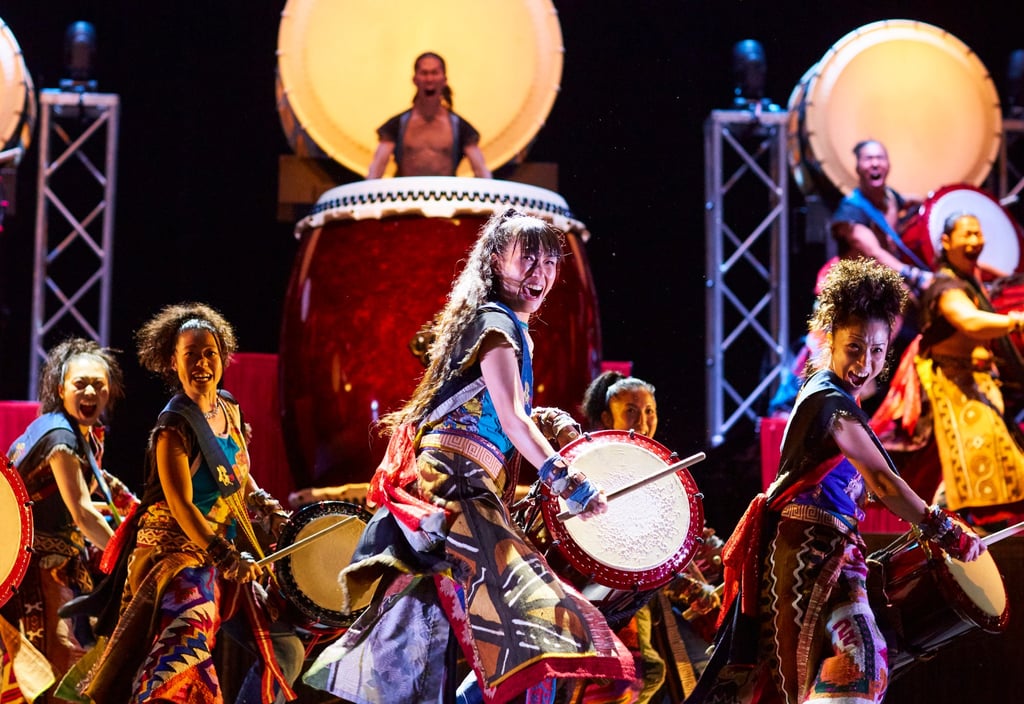
From November 7 to 8, Hinotori – The Wings of Phoenix will fill the Grand Theatre at Hong Kong Cultural Centre with an energetic performance showcasing Japanese taiko drumming by Yamato: The Drummers of Japan.
The performance features the powerful rhythms of more than 40 drums – including a huge odaiko weighing 500kg (1,100 pounds), carved from the trunk of a 400-year-old tree – alongside traditional stringed and wind instruments in a show featuring dynamic modern stagecraft and absorbing musical arrangements.
Based in Nara prefecture in Japan and led by artistic director Masa Ogawa, Yamato has been taking its spellbinding taiko drum performances on tour around the world since the group was founded in 1993.
The troupe is known for its energetic “physical music” performances, featuring rhythmic precision and synchronisation, with the drummers staying fit with a demanding daily training regime.
When members of the troupe are back home, they take part in an early morning 10km (6.2 mile) run, passing through the mountains and rice fields near their home village, Asukamura, and suburi, where “we swing big sticks towards the sky, about 1,000 times”, Ogawa says.
After breakfast, they move on to weight training and drum practice, with their afternoons spent rehearsing the stage performance. “Performing is like being an athlete, so we try to keep our body and mind in good condition,” he says.
The troupe creates a new programme every two years and Hinotori – The Wings of Phoenix took around 18 months to come to fruition. “We work on music, story, movement and stage design at the same time,” Ogawa says. “We want [the] drum sound and body movement to become one. We make each part carefully. For us, finishing the show is not the end. The show keeps growing during the tour.”
Symbolism, particularly rebirth, plays a significant part in the piece. “The phoenix is a bird that dies in fire and is born again,” Ogawa says. “Many cultures have this symbol. In Hinotori – The Wings of Phoenix, we want to share the hope that people can stand up and fly again and again.
“Even in the hard times, we believe people have a strong heartbeat inside of the body. The sound of wadaiko [Japanese drums] is the heartbeat. When we hear it, we feel energy to move forward. We want to share that energy with the audience.”

The one constant is the giant, two-metre (6.5-foot) diameter odaiko – which Ogawa describes as the “heart and soul of Yamato”. This weighty instrument travels the world with the troupe, which reinforces the need for exemplary fitness and teamwork among the performers.
“When it arrives at the theatre, it is really heavy to move, so we work together to put it on stage,” he says. “This teamwork is part of the Yamato spirit. The drum holds the energy of many people, and we feel that energy when we play it.”
Another energetic, upbeat show during the festival features a dynamic mix of dance and song, which pays homage to the resilience and creativity of Zulu rickshaw drivers amid years of racial segregation during South Africa’s apartheid era.
The drivers’ work became a labour of love, painting the rickshaws in vibrant colours while wearing bright-hued costumes decorated with fringes and pearls, and feathered headdresses and cow horns on their heads as they rhythmically bounced in a dance-like style while pulling their passengers around the streets.
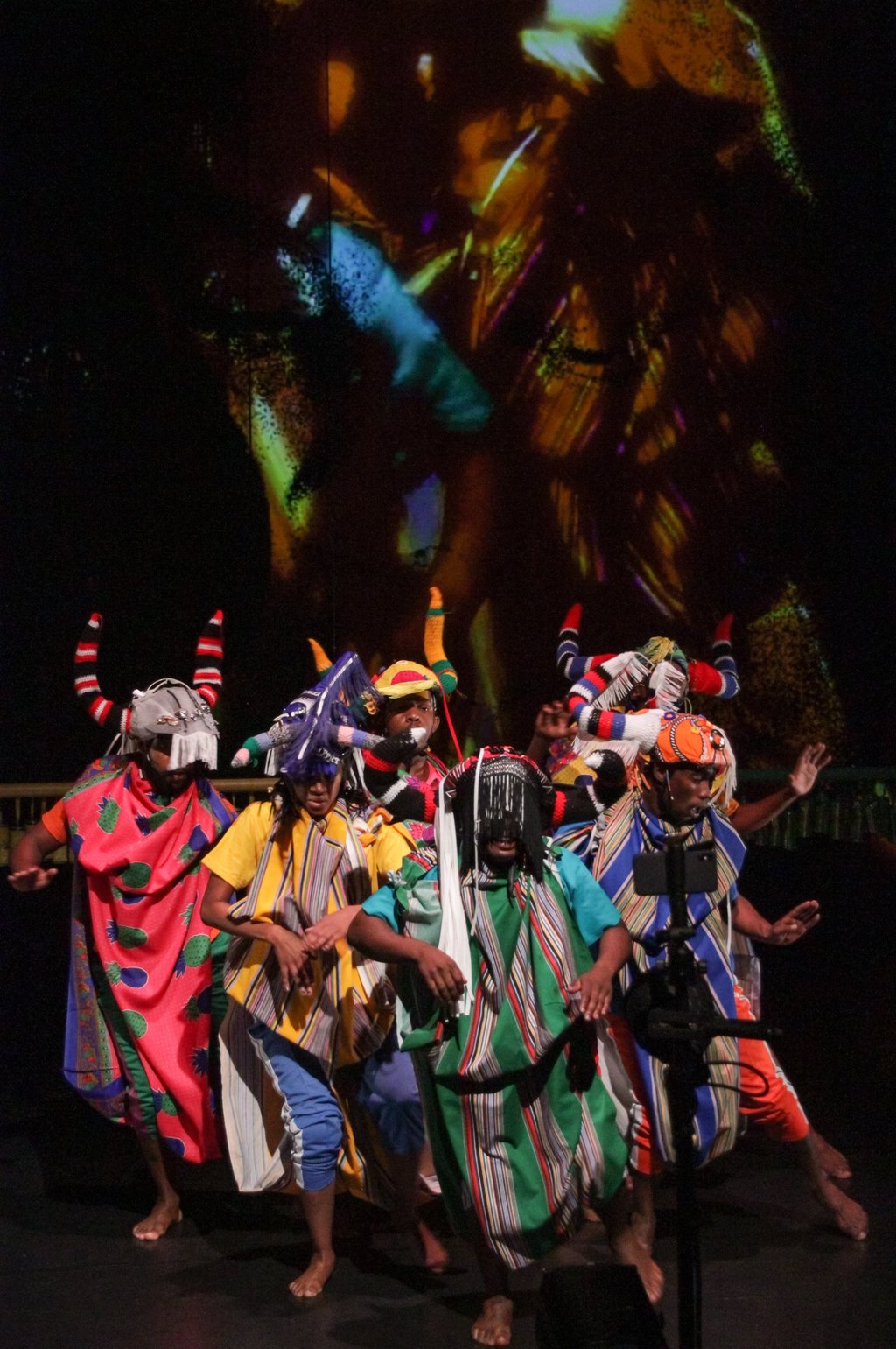
Acclaimed choreographer Robyn Orlin’s contemporary production, We wear our wheels with pride, has been inspired by her childhood memories of watching these rickshaw drivers in the city of Durban.
“I remember asking my mother, ‘Who are these flying angels?’,” she says.
Her show combines Zulu traditions with other elements including chants from the Khoisan tribe, slam poetry and hip hop beats. However, true to Orlin’s repertoire, the performance also serves as a thought-provoking piece to highlight the inequalities faced by the rickshaw drivers during the apartheid era.
“The rickshaw [drivers] have a very, very sad story to tell,” Orlin says. “They are very much the silent heroes of our revolution against apartheid. They never got the recognition that I feel they deserved.”
They were treated badly and had no privileges, she says. “They were very much a part of the apartheid regime and used as pawns. For a country like South Africa that has gone through apartheid, it is very important for us to really acknowledge and heal.”
Therefore, while We wear our wheels with pride is a visually stunning dance filled with exuberance and joy – performed by members of South Africa’s flagship contemporary dance company Moving Into Dance Mophatong – it has a sobering backstory. The dichotomy is another insight into the long-lasting impact that the apartheid era has on South Africa.
“One thing that came out of the struggle in South Africa for a lot of artists during that time was we needed to use a sense of humour as a weapon, so we could still say what we needed to say, but also entertain at the same time,” she says.
“I’ve held on to this [idea] in a lot of my pieces actually – to show something very interesting about South Africans, and I’m talking about South Africans all over the colour bar.
“We are able to laugh at ourselves and laugh with one another, under a lot of duress. I think this is what actually kept the backbone [and] the strength of the country – what propels it along, even after apartheid.”
We wear our wheels with pride is also an interactive piece, with the audience invited to hum and move along with the performers. “Because the audience goes through this process with the dancers, there is a feeling of elation, but an elation that is grounded,” Orlin says.
“And that is how I want to make work, that is how I want to make art. I want the viewer to be elated, evolved, curious but grounded, knowing that there is a reason for doing this, for dancing about this, for talking about this.”
When asked what emotions she wants We wear our wheels with pride to evoke in the audience, Orlin says empathy and belonging. “And acknowledgement of humanity. For me that is the most important thing about this piece.”