An Australian wine icon returns to France
Penfolds’ growing portfolio in France reflects a philosophy of innovation and uncompromising quality, anchored by its long-standing tradition of experimentation and pushing boundaries

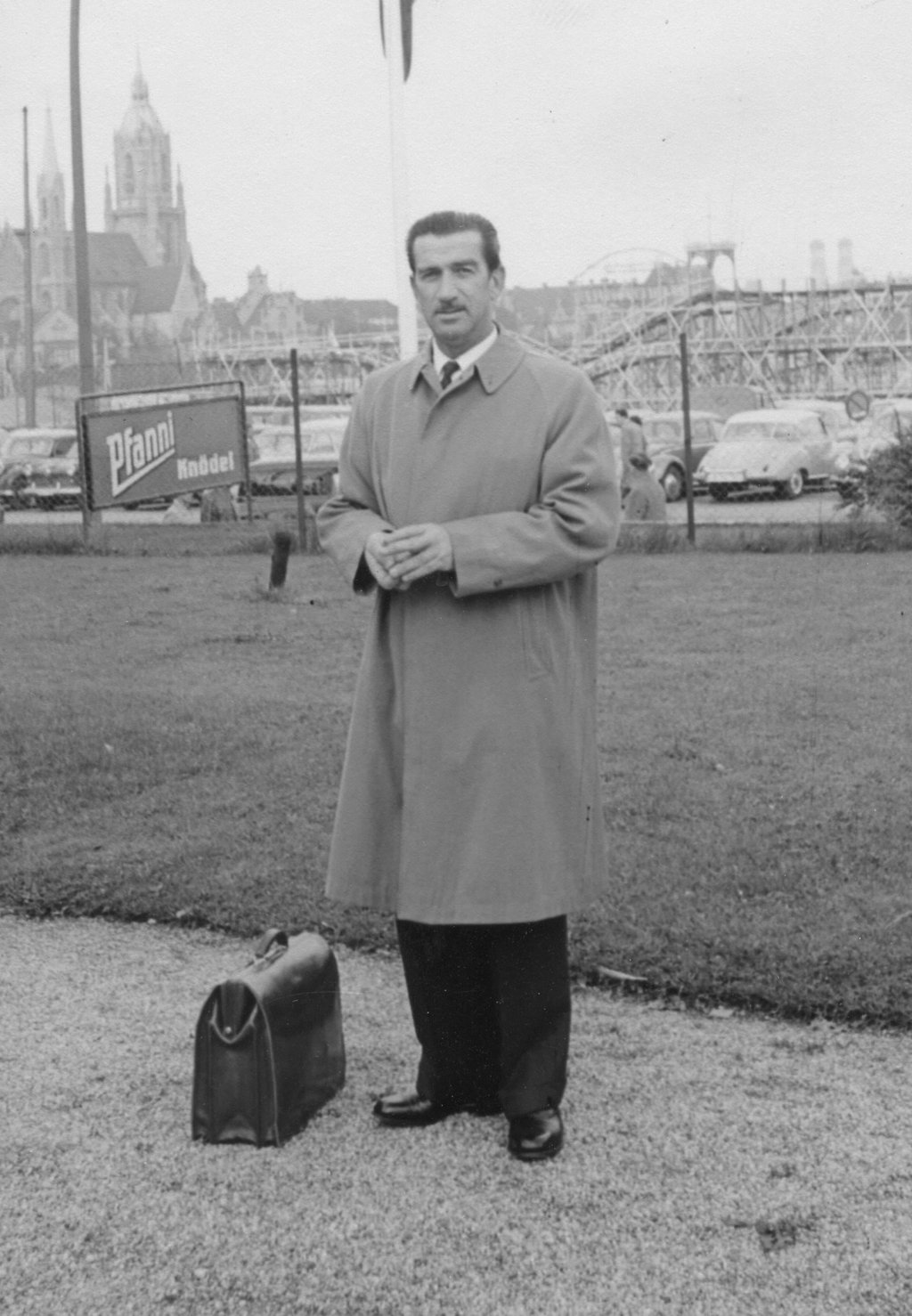
The story of Penfolds was written, in part, by chance. In 1950, chief winemaker Max Schubert travelled to Europe to study fortified wines, only to find himself in Bordeaux, tasting finest 40-50-year-old clarets of astonishing complexity and grace.
Those moments in the prestigious cellars of Château Lafite Rothschild, Château Latour and Château Margaux ignited a bold ambition: to craft an Australian wine that could stand alongside the Bordeaux greats – age‑worthy blends that were powerful, yet finely structured.
Back in Australia, Schubert married local know-how to the lessons learned in Bordeaux, creating the first vintage of Grange in 1951, a wine so unconventional at the time that it was dismissed immediately.
But, convinced of its potential, Schubert continued production in secret and refined his vision. When reintroduced a few years later, the true potential in the bottle became apparent, which led to a formal endorsement in 1960. Named after the Penfold family home, Schubert’s passion project has since become one of the world’s most celebrated wines.
Grange not only redefined Australian winemaking but set the blueprint for the “Penfolds House Style” – a philosophy that underpins every wine in the portfolio. From Schubert’s Bordeaux epiphany, the notion of a “red thread” spanning vineyards across the globe emerged – a distinctive Penfolds stamp that runs through their wines, regardless of grape variety or region.
That style dates to the 19th-century fortified wines produced by co-founder Mary Penfold and evolved during Schubert’s Grange trials. It is defined by mid-palate richness, fruity generosity and ageability, achieved by selecting grapes from “where the fruit grows best and where it best suits style”, Penfolds says on its website.
Penfolds winemakers work in many regions, from Australia’s Barossa Valley to Bordeaux in France, from California’s Napa Valley to Ningxia in China.
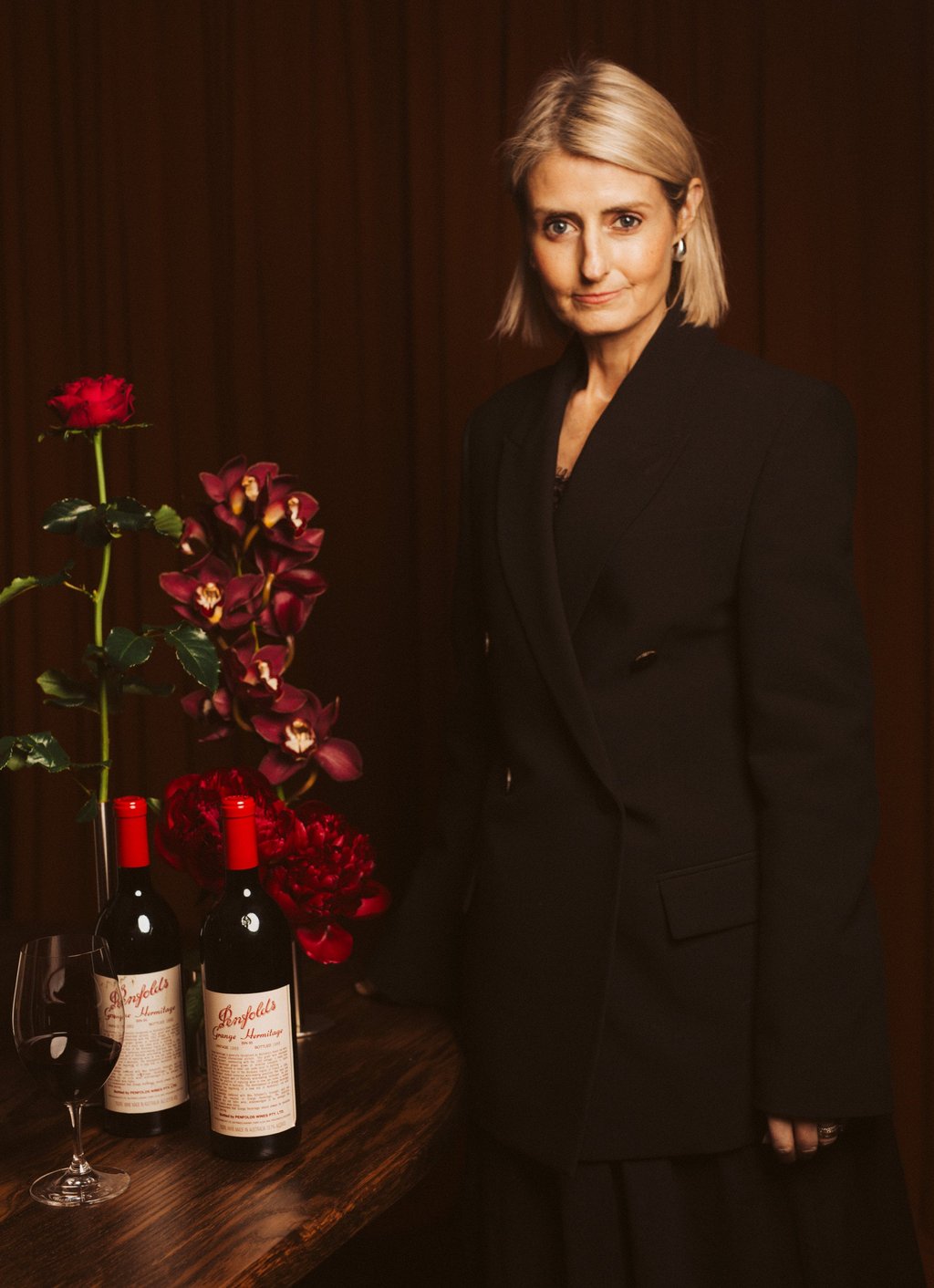
“It ensures that, regardless of origin, there is a clarity of identity, quality and intent that makes a wine unmistakably Penfolds – celebrating regional expression, yet remaining coherently Penfolds in style, balance and longevity,” says Kristy Keyte, chief marketing officer at the storied winemaker.
Over 180 years, this approach means Penfolds is not defined by a single vineyard or even a single country, allowing wines to be shaped by terroir yet distinct in taste, colour, nose, palate and cellarability.
“House Style has naturally taken us beyond borders and across hemispheres, allowing us to make wines in some of the world’s great regions, each interpreted through a singular Penfolds lens,” Keyte notes.
“France represents a deeply meaningful chapter in this journey. Bordeaux played a formative role in Penfolds’ history. Creating wines in France is not a reinvention, but an authentic continuation of that legacy.”
The journey back to its roots
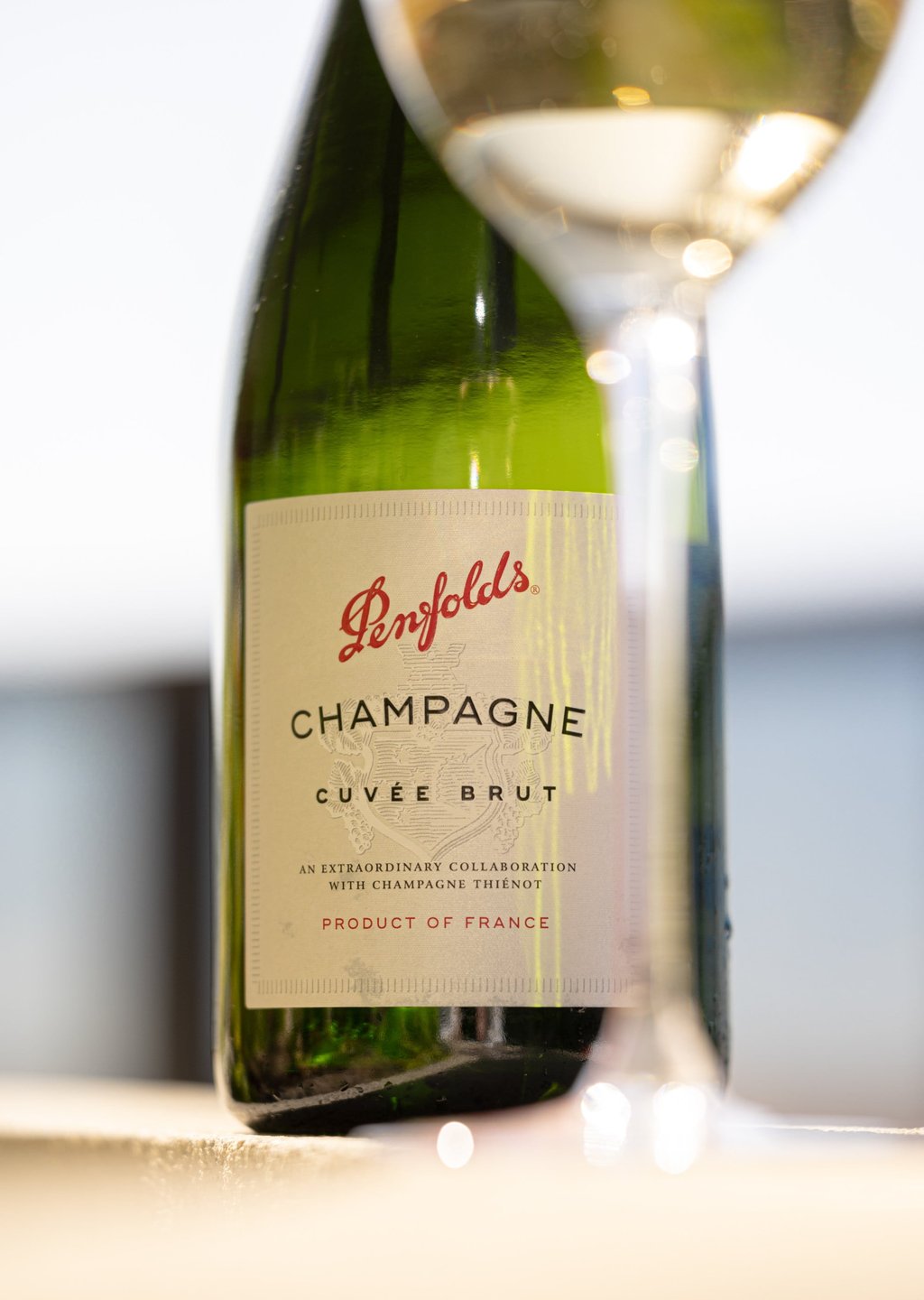
Fittingly, Penfolds’ return to France began in Champagne, a region synonymous with celebration and craftsmanship. In 2019, Penfolds partnered with family‑owned Champagne House Thiénot to release a Blanc de Noirs and a Blanc de Blancs Grand Cru. In later years, they released a Cuvée Brut and a Brut Rosé – each combining Penfolds’ blending mastery with Champagne tradition.
The 2022 collaboration with Bordeaux producer Dourthe saw the creation of Penfolds II – a cross‑continental blend marrying South Australian and Bordeaux fruit as part of the winery’s “Wines of the World” journey.
In the same spirit of exploration, the French Winemaking Trial (FWT) series examines how Penfolds House Style can be expressed purely through French terroir.
FWT 585 Cabernet Merlot Petit Verdot is a blend of Cabernet Sauvignon, Merlot and Petit Verdot grapes from Bordeaux, and is crafted using Penfolds techniques while remaining classified as a “Vin de France”, an intentional choice that allows for new blends without being restricted by appellation boundaries.
In 2025, FWT 543 Cabernet Sauvignon Syrah further explored what a French Penfolds wine could be, bringing together Bordeaux Cabernet Sauvignon and Syrah from the south of France for a refreshing interpretation of the iconic Penfolds blend.
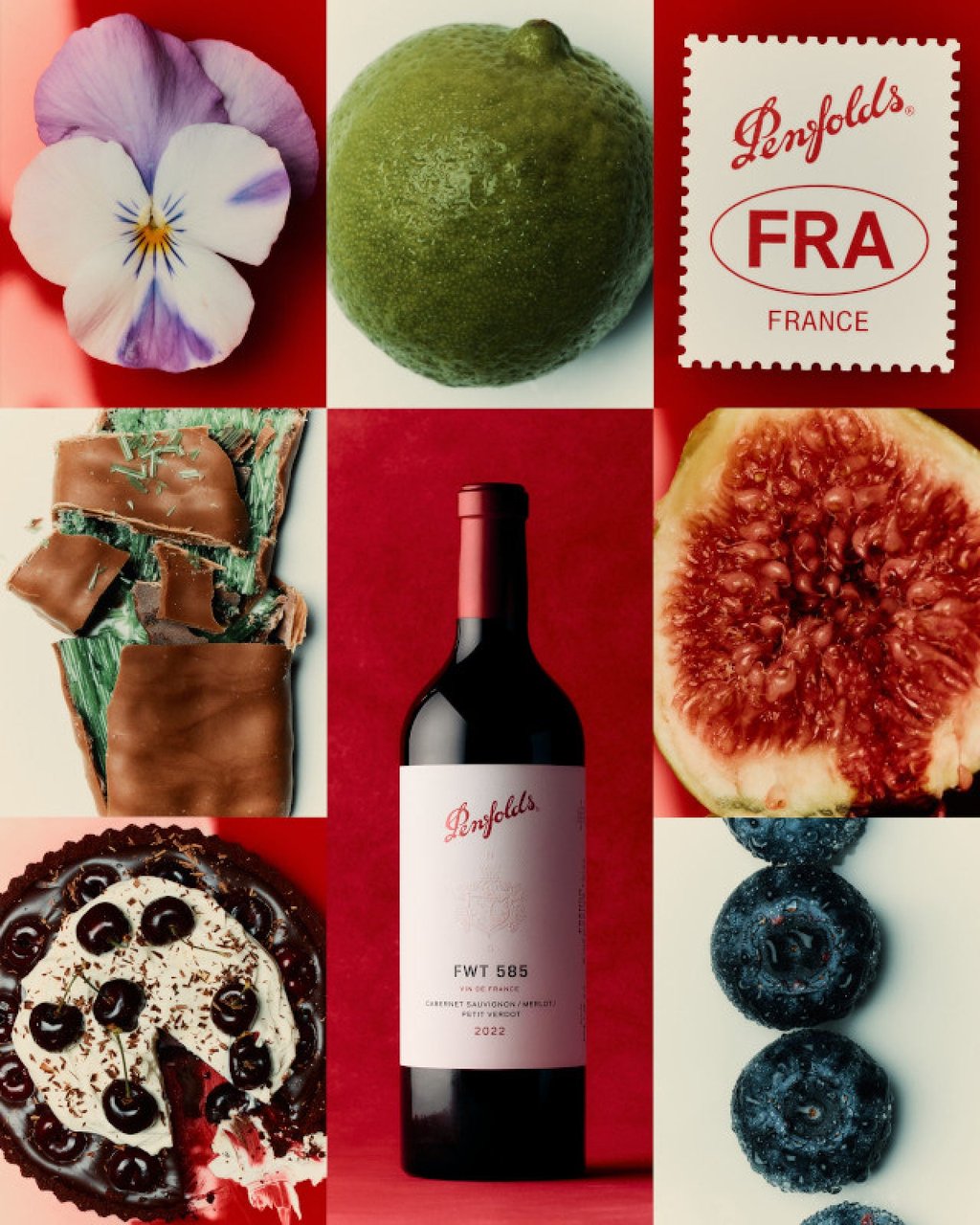
“Younger wine lovers are driven by curiosity and discovery, and value authenticity over convention. Our role is to invite them into the Penfolds story through exploration, without compromising on quality or integrity,” explains Keyte. “They (FWT) encourage exploration while remaining grounded in craftsmanship.”
If Grange was born from a Bordeaux dream, Grange La Chapelle is its modern awakening. Released in 2025, it fuses Syrah from France’s iconic Hill of Hermitage in the Northern Rhône Valley with Shiraz from South Australia, uniting two great winemaking cultures in a single, commanding expression, with further vintages now underway.
“Grange remains our flagship, the enduring benchmark that anchors our entire portfolio,” Keyte says. “Grange La Chapelle brings together our heritage and our future, while the FWT releases sit within our long tradition of experimentation and pushing boundaries — the same philosophy that gave rise to Grange in 1951.”
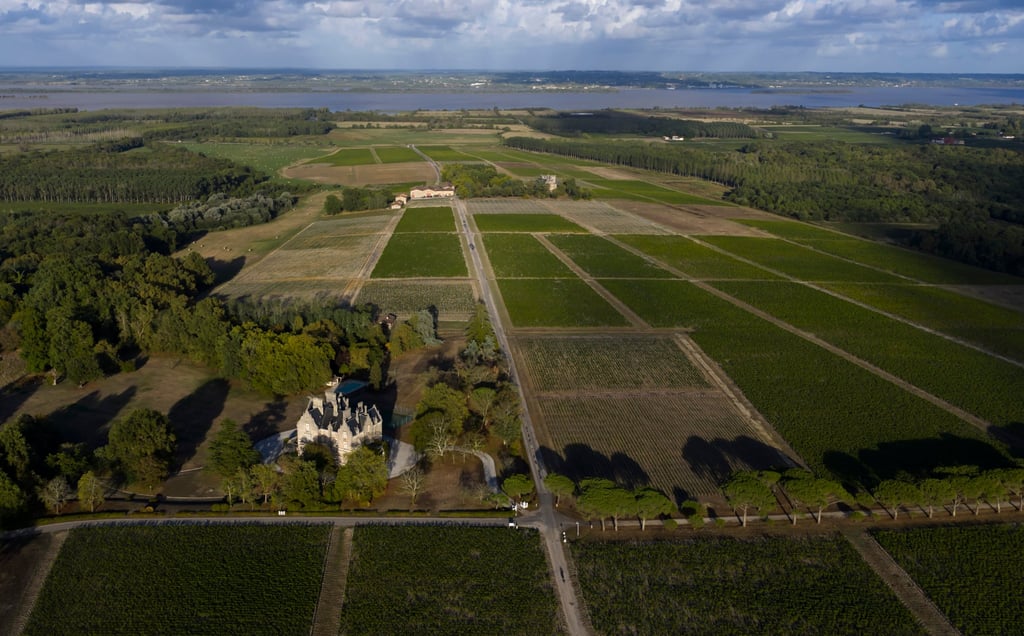
When Penfolds owner Treasury Wine Estates acquired Château Cambon La Pelouse in 2019 and Château Lanessan in 2022, it established a meaningful presence in the Haut‑Médoc, further strengthening Penfolds’ multi-regional luxury wine model.
“The French wines sit comfortably within the Penfolds collection because they are built on the same principles that have always underpinned the brand: heritage, discipline and an understanding of wine as something shaped over time,” says Keyte.
Sustenance for the community
Penfolds’ French chapter is not only about wines, but also the communities and landscapes that make them possible. Through Penfolds Evermore, the brand’s global community and sustainability platform, the company supports initiatives spanning viticulture, education and environmental impact.
The inaugural Evermore France Grant Program in 2025 awarded three recipients a total of €120,000 (US$140,000) to fund their respective projects: developing a natural antifungal solution from grape seed extracts, improving water use efficiency in winemaking, and creating content to demystify and encourage the pursuit of wine careers.
“Our approach in France begins with respect for the land, the traditions and the communities that define them,” says Keyte. “To be a global winemaker, we must also be a responsible one, supporting education, innovation and the future of the industry as we continue to grow our presence.”
This French chapter is therefore an extension of Penfolds’ long-held belief that great wine is built through curiosity, discipline and the courage to keep experimenting, naturally extending its association with dining, travel and culture.
For wine lovers in Hong Kong, Taiwan and beyond, that outlook gives the French portfolio a particular appeal of wines that carry Penfolds’ unmistakable House Style, while offering new stories, new textures and new expressions of terroir to discover.