He once struggled to put food on the table for his ailing family – today, this chef shares his mastery of Cantonese cuisine with diners
- Zhu Nengqing faced steep hospital bills for his wife, daughter and mother before a Guangdong government-run chef training scheme led him out of debt
- With the skills developed in the programme, he created a signature dish that has become a popular menu item at his farm-to-table restaurant
In a village in Guangdong province, chef Zhu Nengqing can be seen crouching in the fields to inspect his crops of vegetables before going to his kitchen at Xueshan Linyuan Agritainment restaurant to start his daily routine.
Zhu washes a small squash known as a chayote, pats it dry, then cuts it into several rounds and meticulously fills the centre of each one with a meat mixture. After they are steamed to perfection, he serves them on platters to a group of waiting guests. Diners marvel over Zhu’s culinary creation, for which he is famous at his farm-to-table restaurant.
His signature dish of stuffed chayote is more than a popular menu item – it is a representation of hard work instilled with years of sweat and tears. It also helps tell a defining chapter of the chef’s life story, in which he was once so poverty-stricken that he struggled to attain enough food for himself and his family as they faced multiple medical issues.
Zhu, 47, was born and raised in Jinxing village, Shaoguan, in Guangdong province. Despite the breathtaking hilly landscapes and scenery there, life has not exactly been idyllic for the villagers. For decades, they have lived a tough farming life, nursing a small range of crops year-round. These vary from small watermelons and snow peas to aubergines and chillies. But it is the chayote that has gained a sort of iconic status in the area, grown by all the farms in the village.
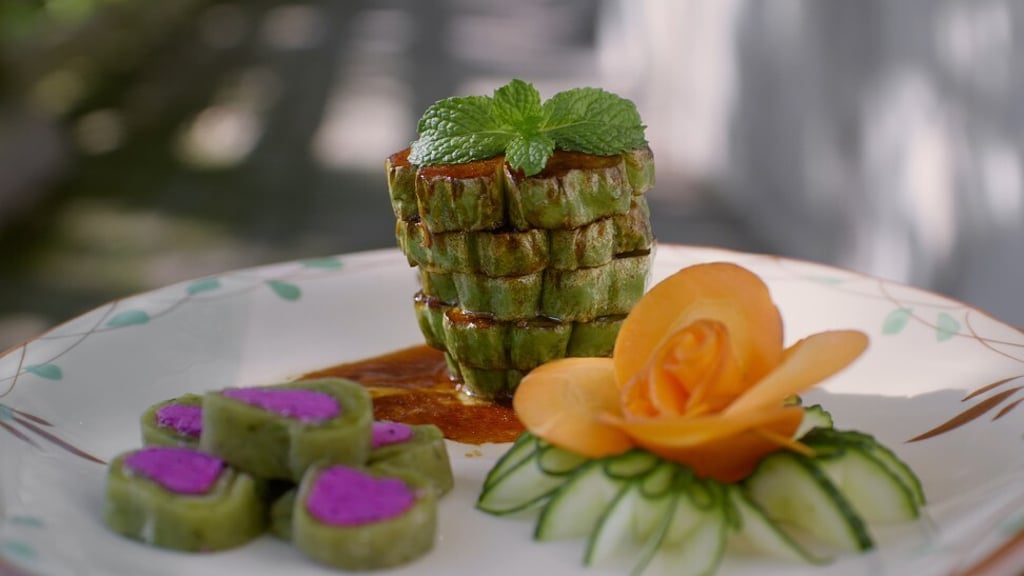
Chayotes not only play a key role in how the villagers make an honest living, they are also a big part of the local diet. Rich in vitamins and nutrients, they are a versatile ingredient in Cantonese cooking that work particularly well in double-boiled soups, stir-fries and cold appetisers, and can also be made into pickles.
Because of its strong local ties, the chayote came to serve as an inspiration in Zhu’s cooking.
“I got the inspiration for [my signature] dish from Hakka-style stuffed tofu, which is traditionally made with pork-only filling. I have added minced shrimp to the mix to enrich the texture and flavour,” he explains.
“I started experimenting with the dish several times until I got it right. The chayotes are excellent on their own, but it took quite a few rounds of testing to achieve the ideal ratio of pork and shrimp in the filling, and also the seasoning.”
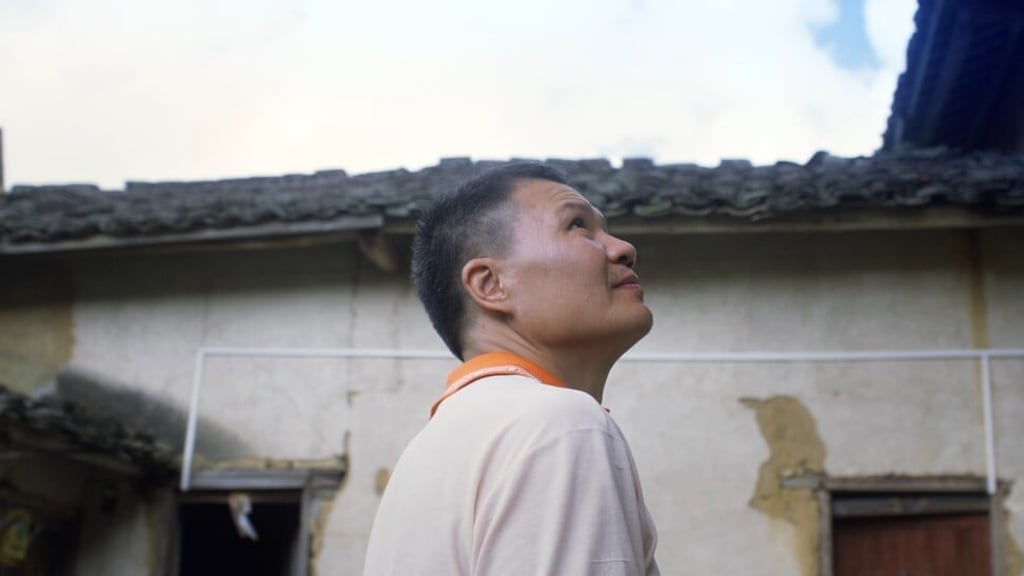
Zhu’s culinary creativity is the result of a Guangdong government-run vocational scheme called the Cantonese cuisine chef training programme. It has put more than 56,000 students from across the province through training to master the art of Cantonese cuisine.
The programme is part of the provincial government’s aid given to alleviate poverty in the region, allowing underprivileged families such as Zhu’s a chance to improve their quality of living and future prospects.
“Before joining the programme, my family and I were met with much hardship in life. Sickness and ill health plagued my elderly mother, wife and children,” he says.
At the age of two, Zhu’s daughter was diagnosed with congenital brain dysplasia – one of the most common causes of epilepsy – while his wife was diagnosed with breast cancer. Then his mother suffered from multiple strokes and high blood pressure, and started to show signs of dementia.
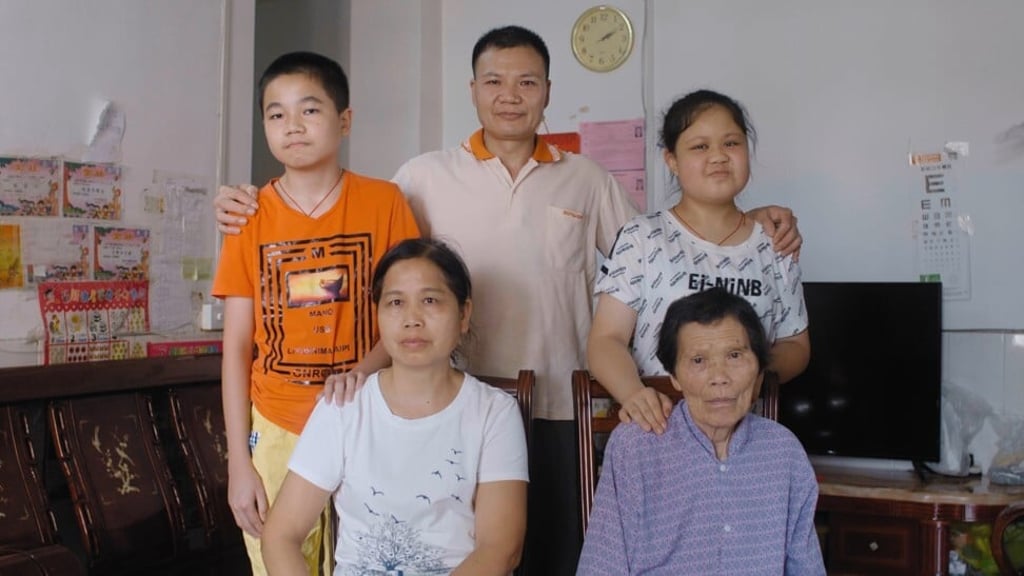
While Zhu struggled to care for his ailing family, he still needed to work full time, as hospital bills were mounting.
“Our living conditions were poor, and we resorted to taking loans to make ends meet,” he recalls.
For Zhu, it started to seem like there was no way out of this desperate situation – but then he came across the Cantonese cuisine chef training programme, which turned the family’s fortunes around.
“In 2018, I participated in the Cantonese cuisine chef training programme, which included familiarising myself with local produce in the area, and receiving culinary skills training at Huiming Hakka Wang Restaurant, where I created the stuffed chayote dish,” Zhu says.
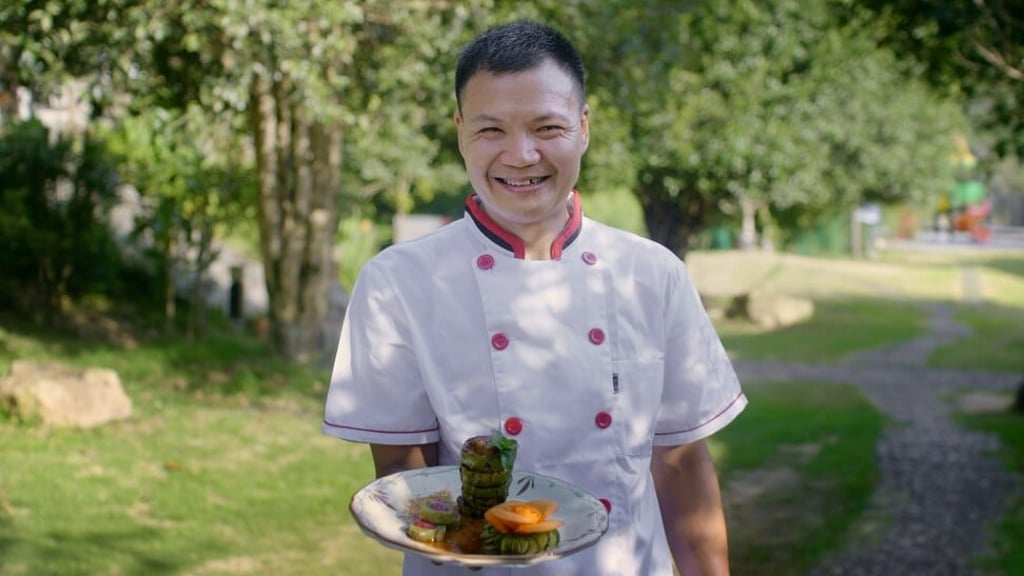
“Having developed skills and an intermediate-level qualification as a Cantonese chef in the region, I managed to build a better career path for myself that includes a higher salary and various subsidies to clear my debt and improve the quality of living for me and my family.”
With his signature stuffed chayote dish, Zhu not only conveys the fresh flavours of Cantonese cuisine, he also expresses the dedication and confidence he has found working as a trained chef. As he watches his guests enjoy every bite, Zhu savours the results of his cooking as well – especially how it opened the path to a brighter future for him and his loved ones.