Bilingual ‘superpowers’ and intercultural experiences prepare students for a better future
Academic and immersive learning programmes at Hong Kong’s Chinese International School help children develop empathy and a global mindset
Globalisation and digitalisation – two of the 21st century’s most-widely used buzzwords – are playing an increasing role in our everyday lives as different economies, cultures and technologies worldwide grow more similar and integrated through the influence of multinational corporations and improved communication.
This access to greater connectivity and information has led to new opportunities for intercultural experiences that are helping shape the lives of students as they prepare themselves for the world outside the classroom.
Sean Lynch, head of school at the Chinese International School (CIS) in Hong Kong – which prides itself on its motto “To Seek and To Serve” – says he has seen first-hand the positive effect such intercultural experiences can have on young people. On regular school-organised trips abroad, the students can play a constructive role in helping local communities solve important challenges.
“They learn how to work as a team across cultures,” Lynch says in the latest edition of EdTalk – the South China Morning Post’s recurring video series of interviews that discuss pertinent issues surrounding education.
“They understand quickly that resilience is a fundamental virtue … that they might be in difficult moments, but they can do it … they can persevere and have that grit that is so important in life.
“But most significant is the empathy that they’re able to cultivate in this way – the ability to see themselves in the lives of others and to understand that the world is a diverse and beautiful place, where everyone needs to look after, and support, everyone else.”

CIS – founded as an East-meets-West institution in 1983 with an initial intake of 75 pupils – was the first school in Hong Kong to offer an international bilingual curriculum in both English and Mandarin. Today its curriculums – including the International Baccalaureate (IB) Middle Years Programme in Year 7 to 9, a CIS-developed curriculum in Year 10 to 11 and an IB Diploma programme in Year 12 to 13 – cater to more than 1,600 children aged four to 18, from Reception to Year 13, at its Braemar Hill campus in North Point, on Hong Kong Island.
Lynch says from its inception, CIS embraced the progressive idea that language skills such as bilingualism – fluency in the use of two languages – and plurilingualism – the ability of a person with competency in a number of languages to switch easily between them – can give students “superpowers” of empathy for, and a connection with, the outside world.
In the primary school classes, one teacher delivers lessons in English and another in Mandarin. While the secondary school’s IB programme is primarily taught in English, students will study Chinese up to graduation.
The school also runs a China Experience Programme that takes students in Year 7 to 9 to various cities in mainland China, including Xian, Nanjing, Yantai and Yangshuo.
The programme is designed to enrich classroom learning and prepare participants for the Hangzhou programme in Year 10.This one-year, academic and residential programme, inaugurated in 2013, takes place at a specially designed study centre located on the campus of its partner private school, Greentown Yuhua School, in Hangzhou, a city in eastern China’s Zhejiang province.
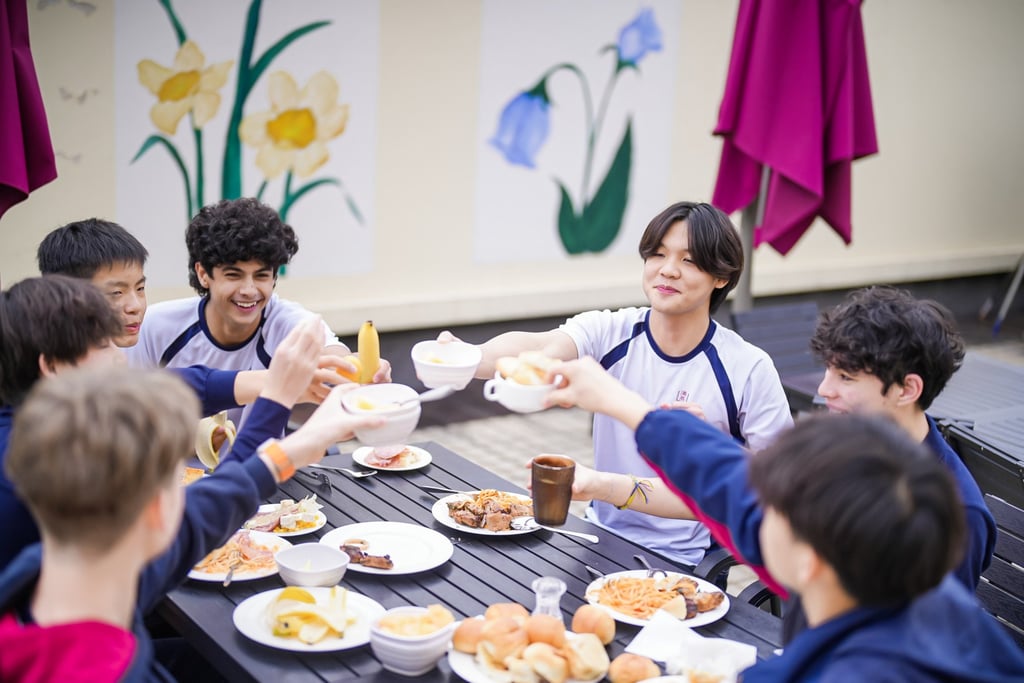
The intensive programme, which sees the students immersed in the local culture while continuing their education in English, helps them foster close-knit relationships with one another, develop confidence and empathy, maintain an open mind and build resilience, and enhance their Chinese language skills and appreciation of Chinese culture.
“It’s an experience our students have valued deeply in their applications to universities,” Lynch says. “For our alumni who are now working, the Hangzhou programme has also been a huge asset for them in their workplace environments as well.”
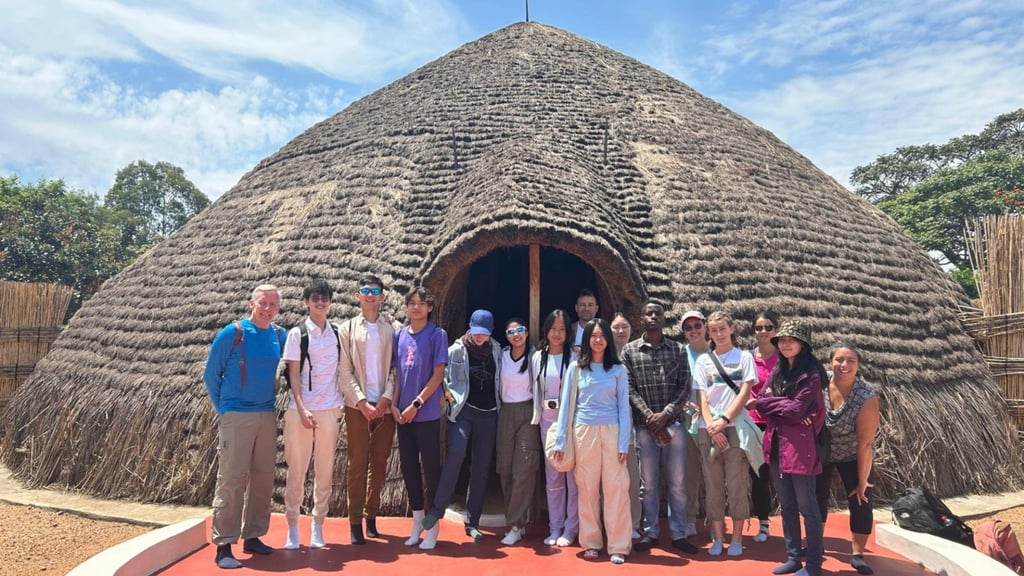
The school’s Year 11 and 12 students can also take part in CIS’ Project Week, which gives them a chance to “act as global citizens in the service of the planetary good” and contribute to communities in Hong Kong or other parts of the world, he says.
He says CIS strongly believes in the importance of a holistic education to develop the whole person. It enriches and supplements its students’ educational experiences by helping them gain new skills, build confidence, leadership skills, teamwork and sportsmanship through its co-curricular programmes in areas such as the arts, private music lessons, competitive sports, communication and language, global issues and environment.
Just as bilingualism allows students to navigate cultural and linguistic landscapes, and experiential learning encourages them to apply knowledge in meaningful ways, personalised learning ensures that each student’s journey is tailored to their potential.
In its classrooms, CIS, like many education institutions worldwide, has been embracing the use of rapid advances in technology which have become part of people’s daily lives.
It can also be used to offer children a personalised learning experience, which is an important part of Vision ’33, CIS’ plan leading up to its 50th anniversary in 2033, he says. The initiative is focused on three “pathways to excellence”: each learner flourishing, new paths discovered and bridges for good.
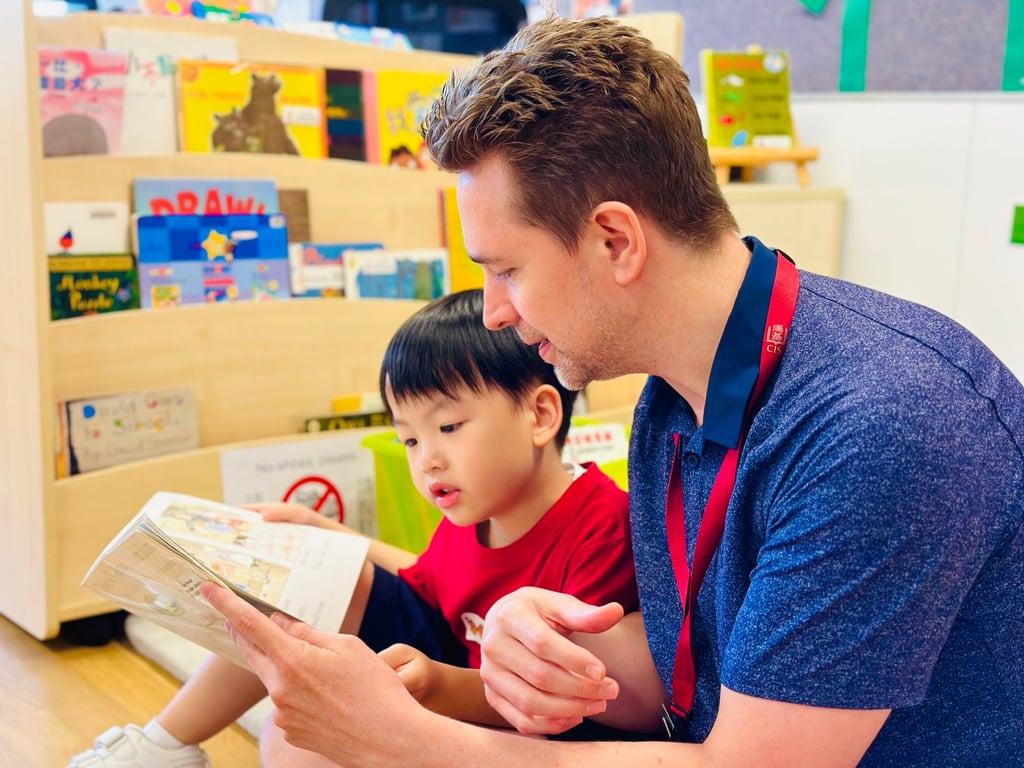
“Our approach to data aims to support students in becoming the best versions of themselves,” Lynch says. “Data has allowed us to see the whole picture of a student’s learning and living experience in our community.
“Personalised learning is not just a fragmentation of any particular environment. We feel that helping young people understand who they are actually makes it easier and gives them greater motivation to work together with others in ways that are far more exciting and more inclusive.”