Why east Hong Kong Island’s cosy, creative waterside near city’s heartbeat feels like home
Canadian entrepreneur Lindsay Jang says short 12-minute car commute into Central makes Chai Wan the ideal place for her family
Some people have a kind of inbuilt GPS (global positioning system) which guides them unerringly to the coolest spots in any given city – and Lindsay Jang definitely falls into that category.
If you ask her where to eat, meet, shop, work out, re-centre, or just chill for an evening, she will be quick to point you in the right direction. Ask for her views on the best place to live, and she is equally sure.
“Ever since I moved to Chai Wan, I’ve realised there is nowhere else in Hong Kong I would want to live,” says the entrepreneur known for co-founding stylish restaurants and running popular projects that promote wellness and positive lifestyles. “I have two kids, so I needed a bigger space, and finding a flat here in 2016 was perfect; it was serendipitous.”
In 2009, like many newly arrived expats, Jang opted initially for an apartment on Hong Kong Island near the Central-Mid-Levels escalator. Soon, though, she started to discover more of the city, the local neighbourhoods with their own distinctive vibe, and began to weigh up the alternatives.
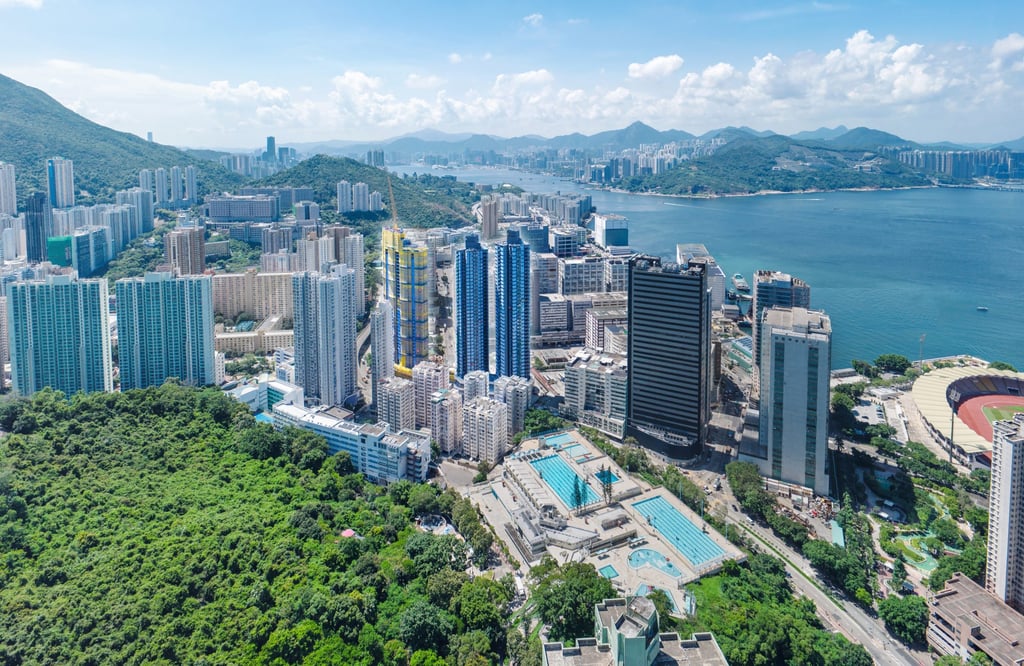
Ideally, she wanted to be somewhere that was close to the water, combined quiet with convenience, and offered a calming sense of separation from the day-to-day stresses of work meetings and business decisions; she chose Chai Wan, on Hong Kong Island’s eastern coast.
“I remember going to Chai Wan for an art event, and my first impression was that it was really far away,” Jang says. “But I also noticed that everything seemed peaceful and everyone was just minding their own business. I was really drawn to the serenity.”
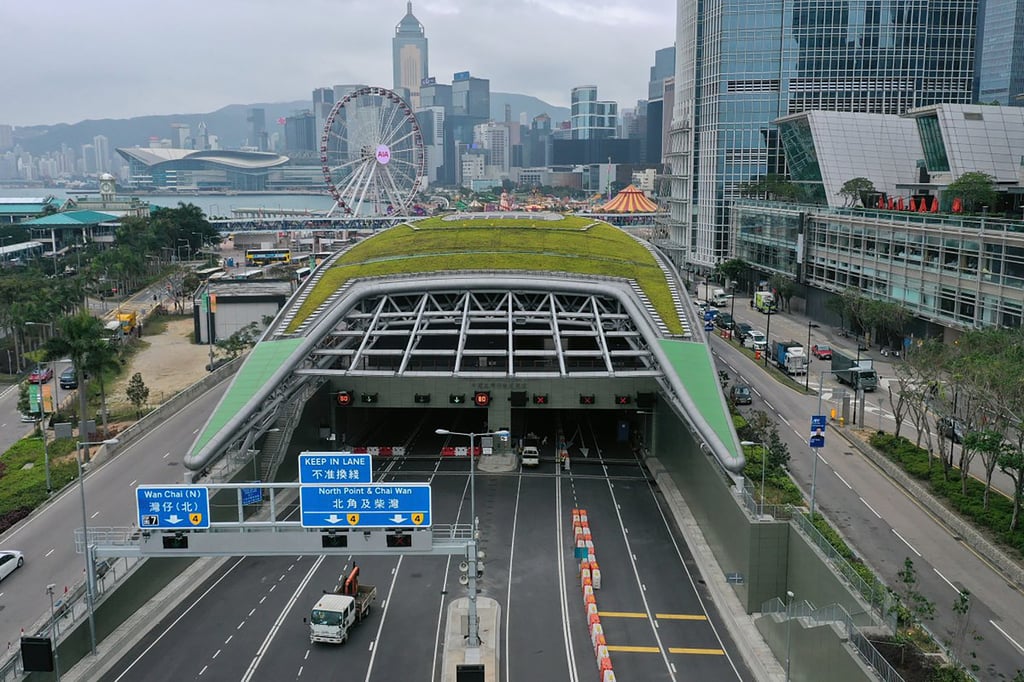
With the 2019 opening of the 4km Central-Wan Chai Bypass, the commute by car from her home to the International Financial Centre on Central district’s waterfront often takes less than 12 minutes. While all of Hong Kong’s evening and weekend attractions are within easy reach, the district itself maintains its easy-going character.
Residents also have all their retail and dining needs met right nearby in Cityplaza and Taikoo Place, the latter of which has become home to a cosmopolitan line-up of restaurants and bars. “It feels like those areas are an extension of Chai Wan for shopping and entertainment,” Jang says. “Everything we need is right there.”
The advantages of all these amenities speak for themselves, but new residents are also being drawn to the district by its active creative community.
This has seen many art studios, photo workshops and web-based design houses spring up over the past few years, bringing with them a drive and outlook that is inspiring other young entrepreneurs. The result is a steady influx of small businesses, coffee shops and enticing eateries, all adding to the vitality and vibrancy of the local community.
“I have noticed that once people move here, they don’t want to leave,” says Jang, who finds time to teach fitness.
“I would love to see Chai Wan become more of a destination for dining, health and wellness on the Island East side. The spaces there lend themselves to that, and you can see the potential.”
For Jang, the definition of home is the place where you want to be the most, a sanctuary where you can switch off and relax, and where your family is comfortable.
She is happy to have found somewhere that meets all those criteria, with the added bonus of now having many friends who live within a three-minute walk.
“Where I grew up in Canada, you would go through the fence to your neighbours’ place or go to their back door; you shared things,” she says. “My home in Chai Wan is like that. There is a strong sense of neighbourhood and community.”