‘Strategic patience’ key for Beijing in South China Sea and other disputes
SCSPI’s Hu Bo said maritime disagreements with Manila and Tokyo would continue but that Beijing had ‘overwhelming advantages’

Hu Bo, director of the South China Sea Strategic Situation Probing Initiative (SCSPI), delivered his message in an article published this month in the latest issue of defence journal Modern Ship.
“For China, this means recognising the complexity and long-term nature of disputes in both seas, exercising strategic patience and becoming accustomed to the normality of maritime disputes rather than rushing unilaterally to ease or resolve them,” he wrote.
Hu advised against over-anxiety and overreaction. Despite the need to stay highly vigilant, China should have sufficient confidence in its own strength and capabilities in managing the issues and keep a calm mindset, he said.
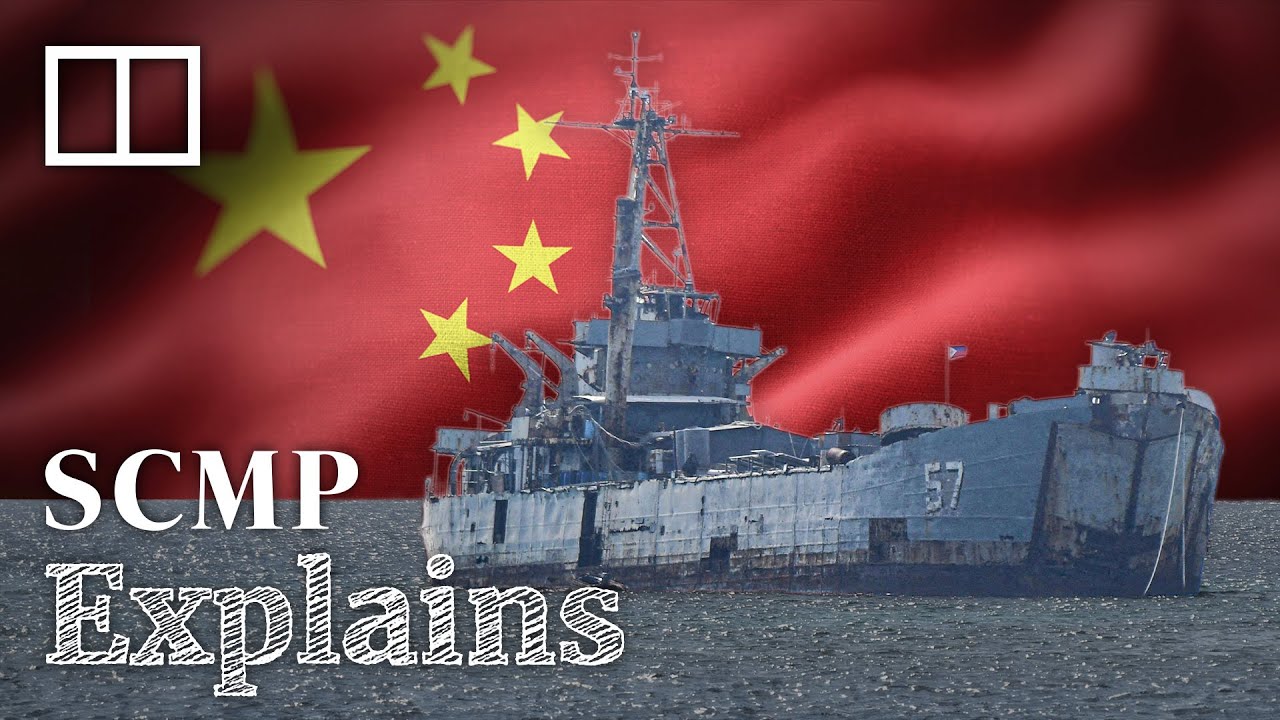
09:23
History, money and military: why the South China Sea is so important to Beijing
Maritime disputes between Beijing and some of its neighbours – particularly Japan and the Philippines – have frequently become geopolitical flashpoints in recent years, with coastguard confrontations and competition for resources, largely rooted in overlapping territorial claims.