How Africa is becoming a ‘strategic hub’ for Chinese industrial expansion
Countries including Zimbabwe and Guinea are ending the pit-to-ship model that saw them exporting raw minerals with limited local gains

Today, nations such as Zimbabwe, Namibia, Mozambique, Ghana and Guinea are dismantling that system – by banning exports of raw materials and enforcing local processing rules.
These measures force international mining firms, including Chinese companies, to invest billions of dollars in domestic processing plants.
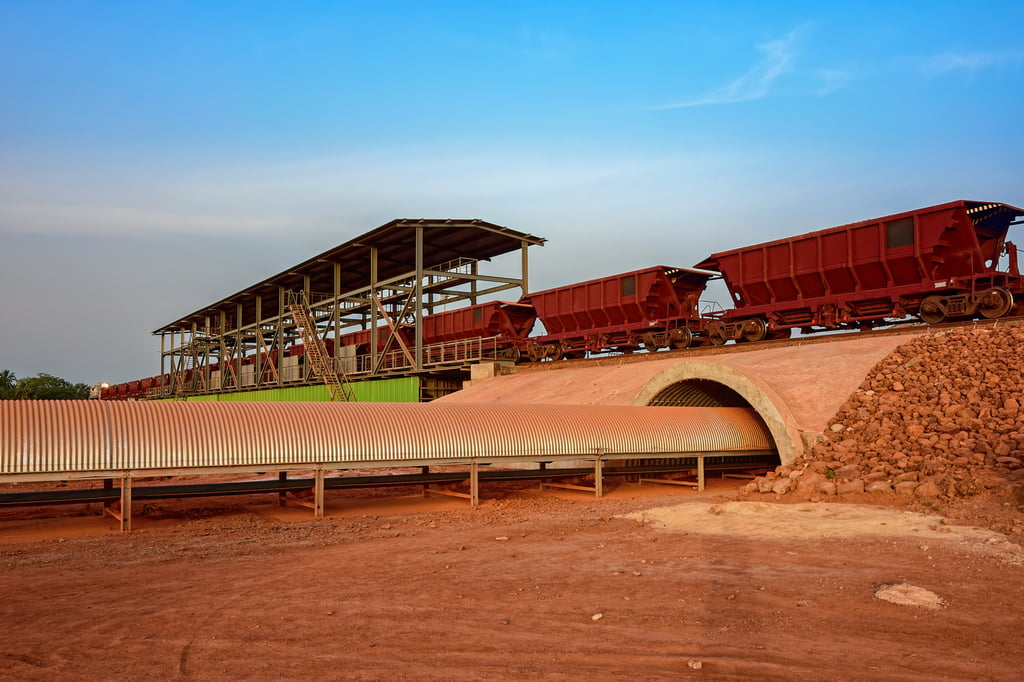
Now, instead of simply shipping out ore, Chinese firms are building local facilities to transform Zimbabwean lithium into its sulphate or carbonate forms, Guinean bauxite into alumina, and Mozambican graphite into battery materials.
According to Carlos Lopes, a professor at the University of Cape Town’s Nelson Mandela School of Public Governance, the shift runs far deeper than resource processing.