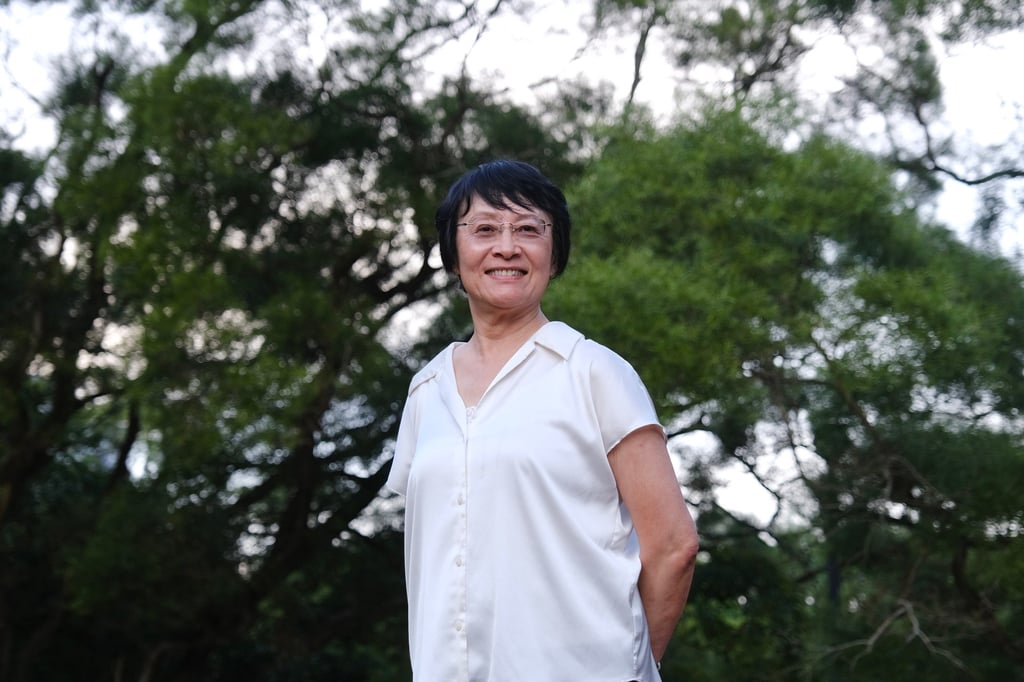
‘We have new women but no new men’: feminist evolution unfinished in China, scholar says
Wang Zheng says many women in China may have redefined their roles but, as with much social progress, there have been setbacks

More than a century ago, the world of Chinese women was a private one. Bound by a rigid patriarchal order and Confucian codes of propriety, hierarchy and submission, they were confined to the inner chambers of the home to be virtuous wives, self-sacrificing mothers and dutiful daughters, while men ruled the outer world.
Reformers sought to abandon “man-eating ethics” – a denunciation of oppressive moral codes drawn from Lu Xun’s 1918 story “Diary of a Madman” – and the weight of traditional culture, and embraced Western-inspired concepts such as science, democracy and individual freedom.
For women, the transformation was equally revolutionary. Women activists and reformers – inspired by Western first-wave feminism centred on suffrage, education and legal rights – launched a transformative wave that challenged the gender stratification of Chinese society and advocated women’s emancipation in an open and systematic fashion.
The modernisation of China over the past century could, in many ways, be read as the modernisation of its women, said Wang Zheng, professor emerita of women’s and gender studies and history at the University of Michigan.
Many women redefined their roles as educated professionals, gained economic independence from men and became increasingly active in political and public life.
Women have long since said goodbye to their assigned and enforced domestic seclusion in premodern times, acquiring a new understanding of and expectations for their lives, according to Wang.