Did volcanic eruptions ruin China’s Ming dynasty and undermine the Qing?
New study upends conventional thinking that has blamed Ming’s fall on eunuch dictatorship, factionalism, peasant uprising and rise of Manchus

The Ming dynasty’s eunuch dictatorship, factionalism among civil officials, devastating peasant uprisings and the rise of the Manchus have long fuelled historians’ debates over what ultimately catalysed its collapse.
A paper published in the scientific journal Climate of the Past in April suggests a natural catastrophe in the Philippines should be added to the conversation.
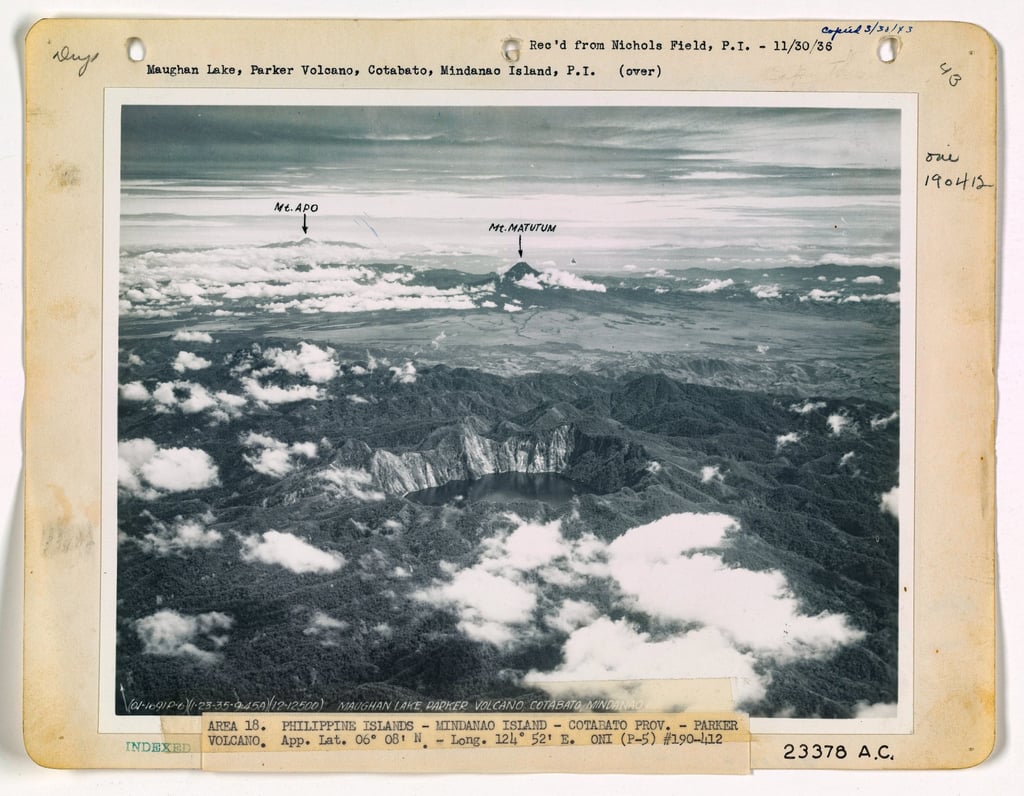
The study shows that the 1640 eruption of Parker Volcano, some 3,850km (about 2,400 miles) from Beijing, may have been instrumental to the dynasty’s demise.
Richard Warren, from the Institute of History at the University of Bern in Switzerland, has argued that volcanic eruptions could cause widespread changes in temperature and precipitation – factors that increase the likelihood of droughts, floods and crop failures, and push vulnerable societies towards famine.