Tai Po fire probe: URA’s Smart Tender system creates ‘false sense of security’ - as it happened
URA director says independent consultants it hires cannot intervene if contractors collude to recommend unnecessary renovation works
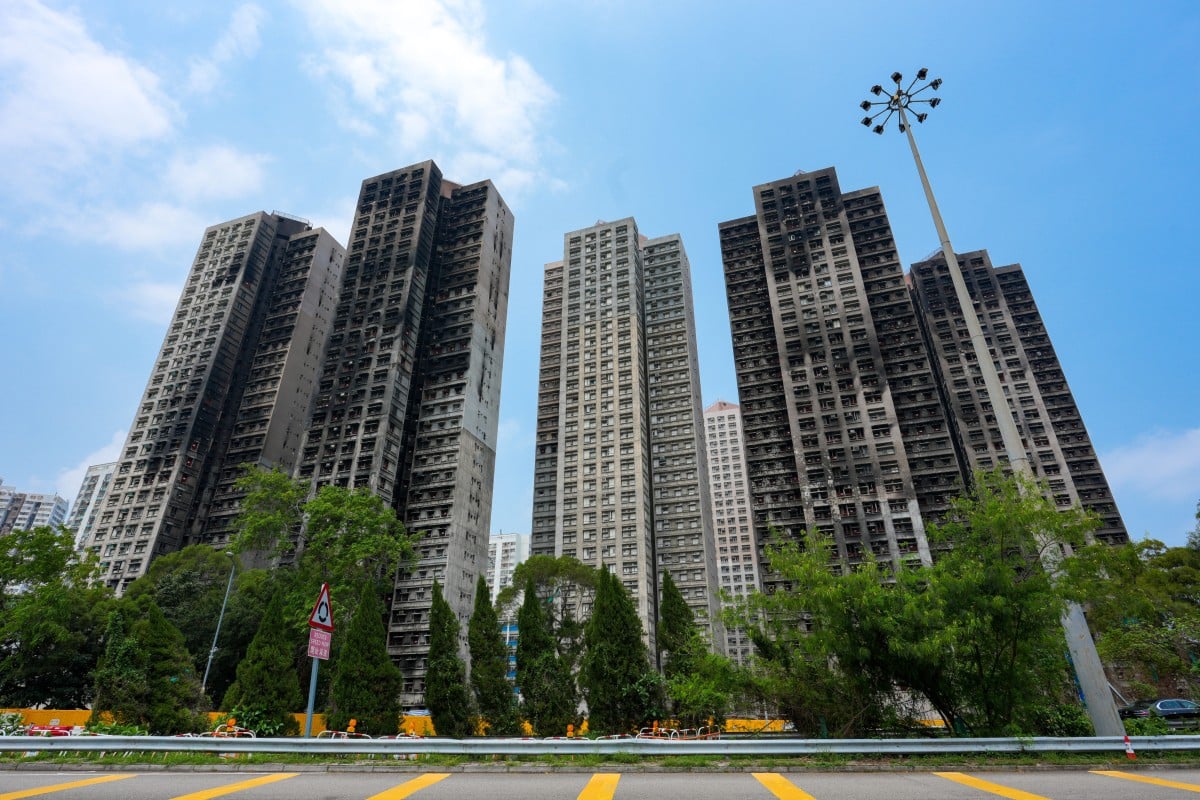
An independent committee investigating the deadly blaze at Hong Kong’s Wang Fuk Court residential estate held its 21st day of evidential hearings on Thursday. Three witnesses from the Urban Renewal Authority gave evidence.
URA case manager Matthew Chan Yat-ho, said the authority was aware of the practice of bid-rigging in the building maintenance sector, but did not consider that such rigging took place in the case of Wang Fuk Court.
The URA was also aware of significant differences in prices submitted for renovation contract tenders, but did not not intervene by assessing the reasonableness of bids for individual projects.
Brian Yam Lap-yin, an assistant manager for building rehabilitation, also admitted that the URA did not caution owners about the risk of bid-rigging.
Peter Wong Se-king, the authority’s director of building rehabilitation, conceded that there were many loopholes within the URA’s Smart Tender system, including the fact that neither the authority nor the independent consultants it hired had the power to intervene in bid-rigging.
He agreed with committee lead counsel Victor Dawes’ contention that contractors could exploit the system by saying their bids were approved by the URA, creating “a false sense of security”.
The tragedy at the Wang Fuk Court housing estate on November 26 last year claimed 168 lives and displaced nearly 5,000 residents.
The blaze broke out while the estate’s eight blocks were undergoing renovations. Flammable polyfoam boards used to seal household windows, along with allegedly non-fire-retardant scaffolding mesh, were identified as factors that contributed to the rapid spread of the fire.
On day 20 of the hearings, the Buildings Department told the judge-led panel that flammable polyfoam boards should not be used to block household windows due to the fire risks they posed, adding that their use was regulated by law.
However, the department said the Wang Fuk Court case did not fall within its remit, as it did not oversee government-built structures such as subsidised housing estates, which are regulated by the Independent Checking Unit (ICU) under the Housing Bureau.
A retired senior surveyor from the department also rejected the ICU’s claim that there were no regulations governing foam materials and said the unit had not consulted him before reaching that conclusion.
The committee also heard that, before the fire, the department had relied on certificates submitted by contractors to assess the fire retardancy of scaffolding mesh but had no mechanism to verify those documents.
The Home Affairs Department’s Tai Po district office liaison officer Or Wai-yin and then district officer Eunice Chan Hau-man were also questioned about the roles of the department and district councillor Peggy Wong Pik-kiu in decisions related to estate management and the HK$336 million (US$42.9 million) renovation project.
Follow our live reporting as more details unfold.
More from our coverage: