Explainer | Tian Kuang Festival – from drying dragon robes to families airing laundry for good luck
Auspicious time of year first marked by ancient emperors evolves into a modern-day festival that makes the most of sunny days

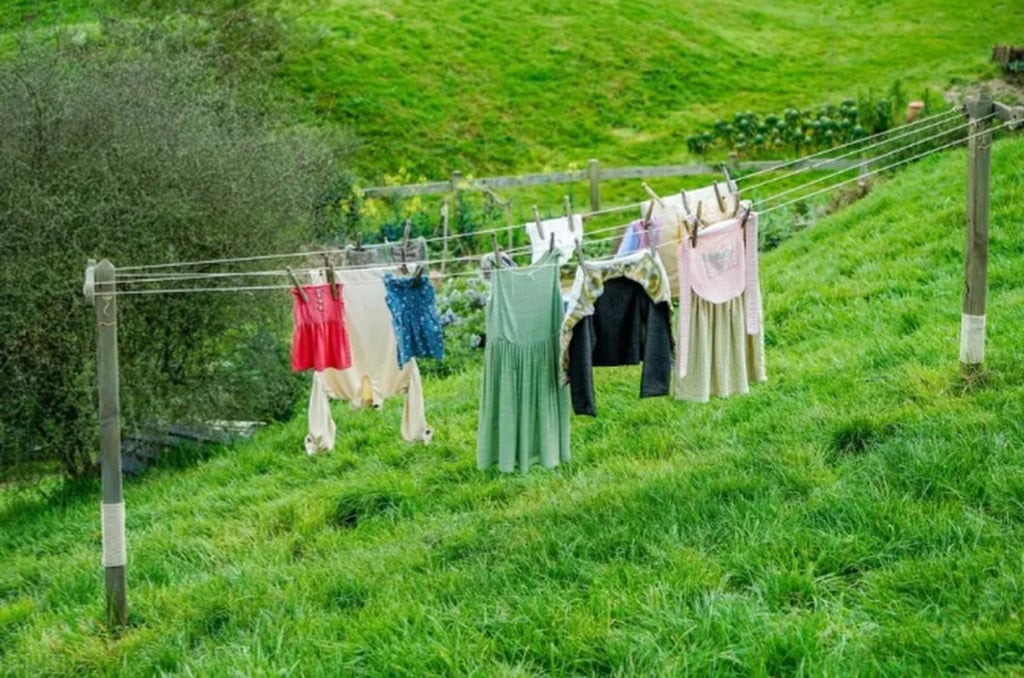
The ancient Chinese Tian Kuang Festival has evolved into a modern ritual where people now sun-dry clothes and bathe their beloved pets to bring good fortune.
Rich in history and folklore, it derives from the imperial custom of “Drying Dragon Robes” and offers both practical benefits and a unique avenue for cultural expression.
It is also known as the Washing and Sunning Festival and it falls on the sixth day of the sixth lunar month.
While it is an important holiday for the Han people, it also holds unique cultural significance for several ethnic minorities, including the Tujia, Buyi and Miao.
One popular legend traces the origins of the festival back to the Tang dynasty (618–907), when the revered Buddhist monk Xuanzang reportedly dried his sacred scriptures after they became soaked during a sea crossing.
This act was later regarded as auspicious.
Centuries later, in 1011, Emperor Zhenzong of Song, the third emperor of the Song dynasty (960–1279), officially designated the sixth day of the sixth lunar month as the Tian Kuang Festival after dreaming of receiving Heavenly Scriptures.