ExplainerChina ‘hair-shaving’ ritual for newborns uses stones, coins, red eggs, symbolising future success
Ancient custom sometimes saw babies’ eyebrows completely shaved by a highly skilled barber; tradition believed to remove ‘misfortune, evil’

A unique yet traditional “hair-shaving” ritual practised in mainland China and Taiwan involves shaving a newborn’s head when they are about one month old, followed by applying a mixture of egg yolk and onion juice to their scalp.
It symbolised that the child would grow up intelligent and had the potential to become an official in the future.
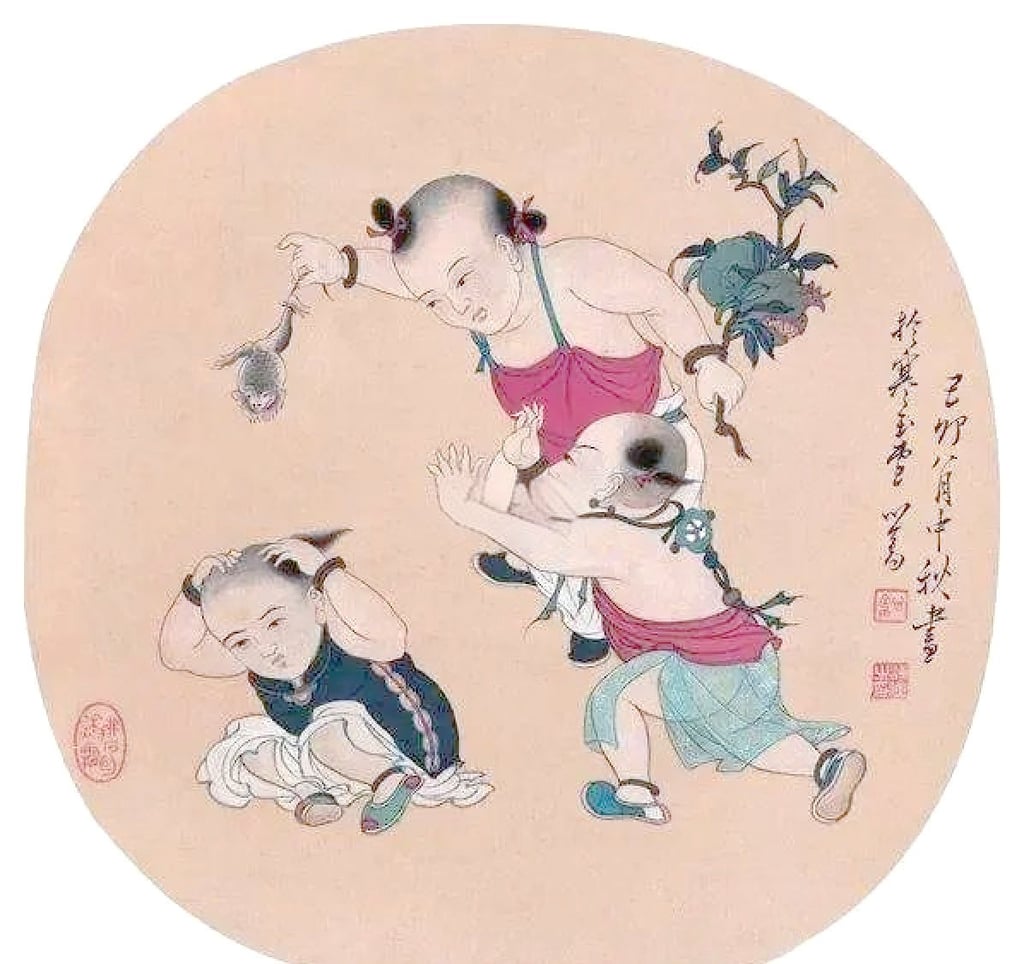
The hair-shaving ritual, rooted in traditional Han Chinese child rearing customs, dates back to the Western Han dynasty (206 BC – 220 AD) and was once also popular in Taiwan.
For boys, the hair was typically shaved on the 24th day after birth and for girls, on the 20th day or at the one-month mark. In some regions, the baby’s eyebrows were also completely shaved.
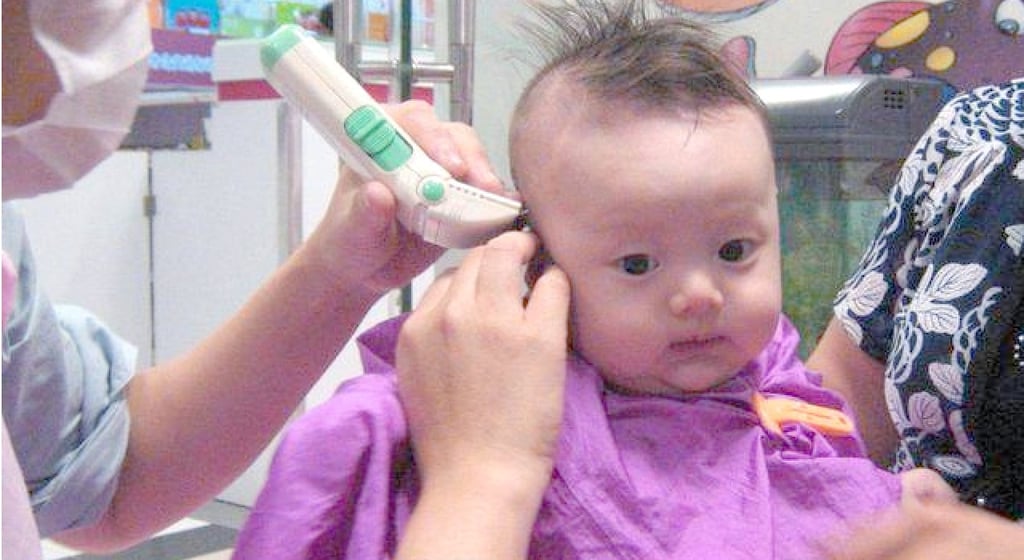
In most areas, the “full-month haircut” ceremony is organised by the baby’s maternal grandmother’s family. They prepare gifts and arrange the venue, while the maternal uncle usually serves as the host.
In some parts of Shandong province, eastern China, if the uncle was unable to attend, a garlic mortar is placed beside the baby to symbolise his presence, because the Chinese word for mortar, jiu, sounds similar to “uncle”.