Why China Bulang ethnic group in Yunnan blackens teeth when they reach teenage years
Tradition among mountain people uses smoke from burning wood to make gnashers black; legacy of vanishing ritual remains today

China’s Bulang people have an unusual rite of passage known as ranchi in which they dye their teeth black to mark adulthood and social rights.
The ethnic group, with a history spanning more than a thousand years, is mainly found in Yunnan province, southwestern China.
According to the China Statistical Yearbook 2021, there are around 127,000 Bulang people today.
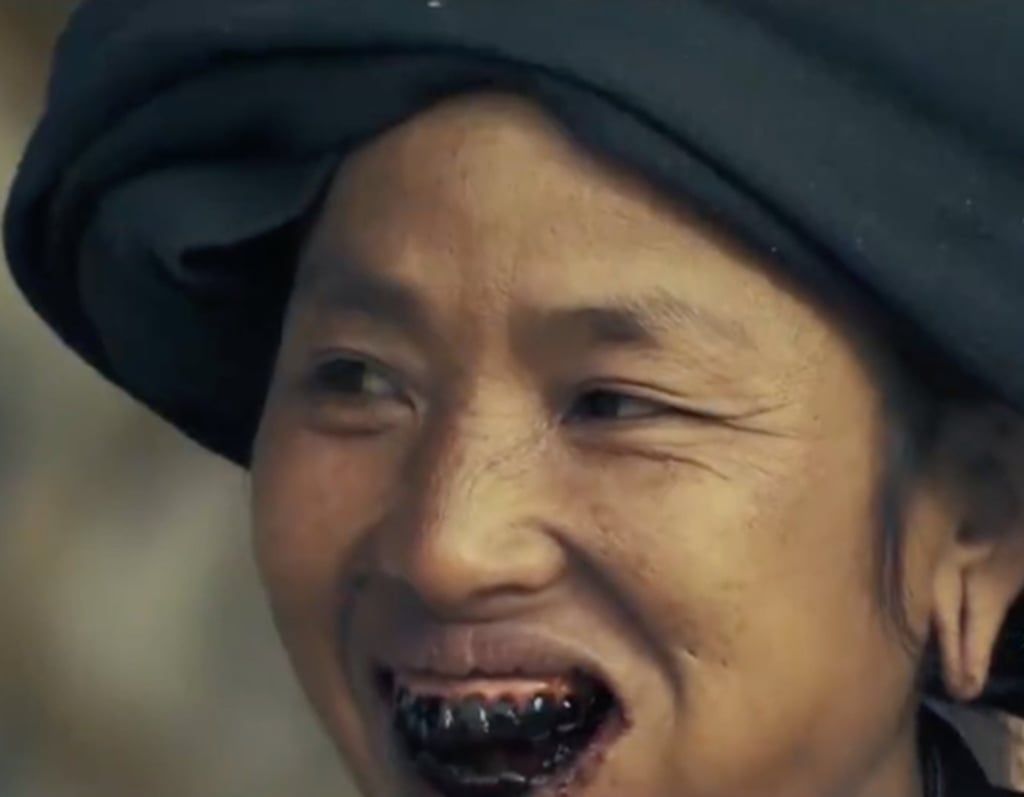
Living in the mountains and forests, they view the colour black as a symbol of beauty and power, believing it protects against evil and disaster.
At the age of 14 or 15, boys and girls undergo ranchi, dyeing each other’s teeth, usually between the opposite sexes.
The process involves eating acidic fruit or applying sour juice to their teeth, then using smoke from burning wood or pine resin to stain them. Some also chew betel nuts mixed with tobacco and lime.
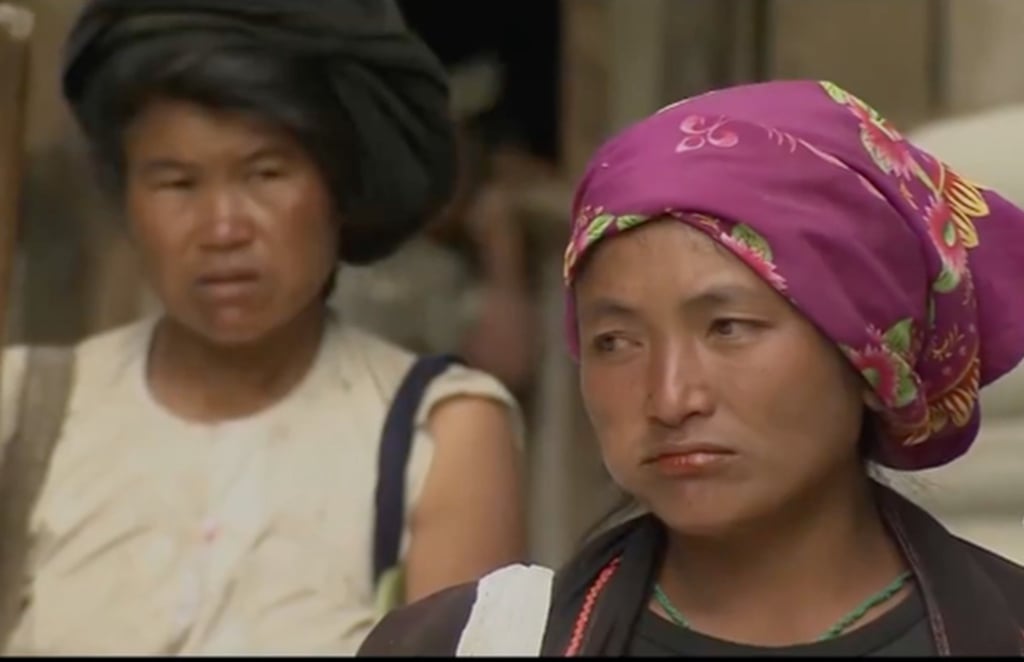
This ritual, which can last several days, is a crucial rite of passage, marking their readiness to fully engage in village life. Those who do not blacken their teeth face restricted social rights.