Why traditional Chinese paper horses are burned during festivals and significant life events
Equine woodblock prints with long and varied history spanning dynasties are still used today; provide evidence of key printing technique

For hundreds of years, paper horses have been a popular item used in Chinese folk life to communicate with the gods.
The creations are a form of woodblock prints of folk gods on coloured paper which have been used for home worship or burned at ceremonies since the Tang dynasty (618-907).
Although they are known as “paper horses”, they do not only feature equine images, but all kinds of deities that reflect China’s polytheistic folk religion.
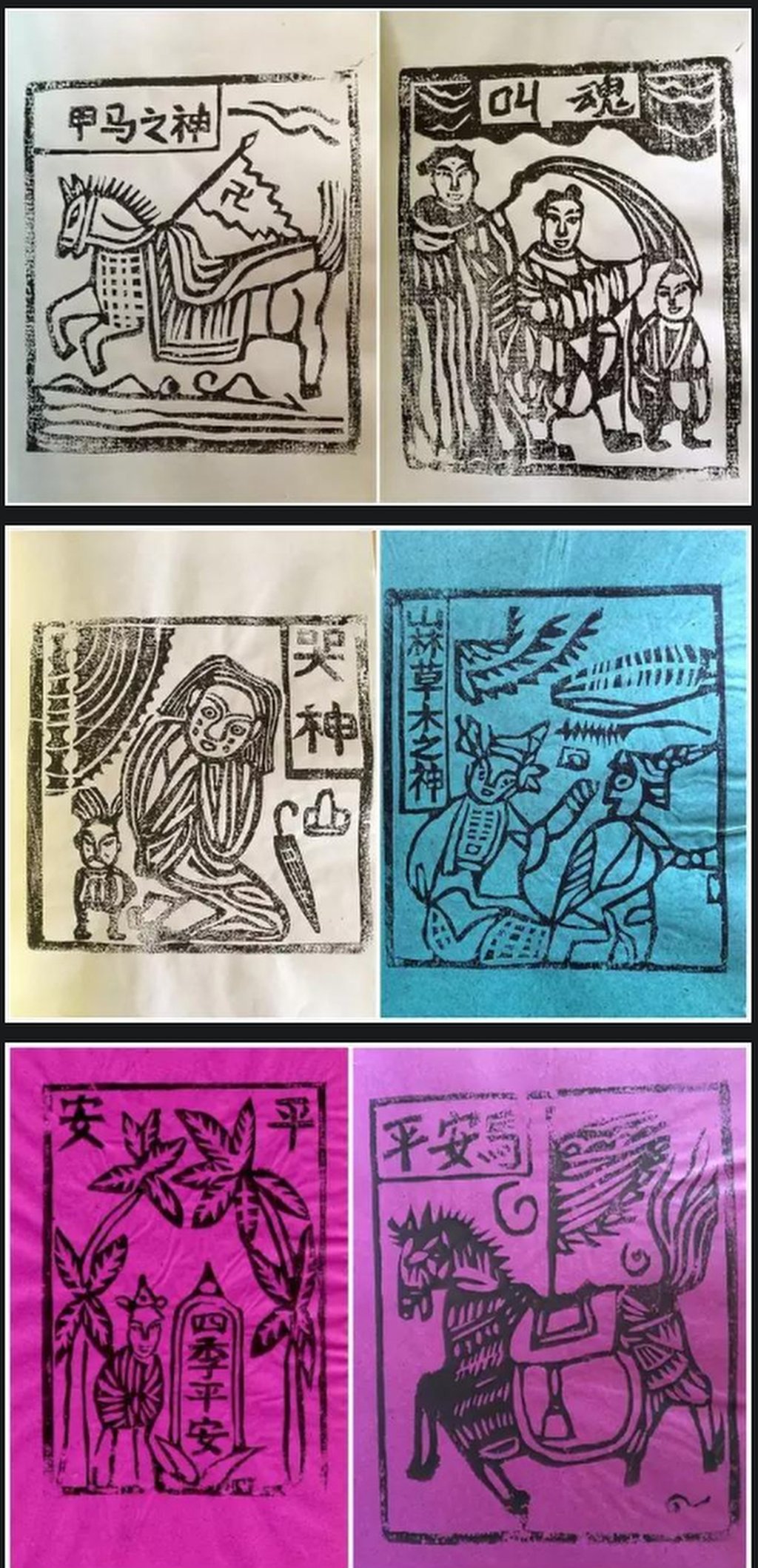
One theory behind the name is that in the times before the Tang dynasty, people used to offer horses as sacrifices to the gods, then changed to wooden horses and later images of them on paper.
Another theory is that ancient deities were often created with mounts to suggest their method of ascending to heaven.
The paper horse was versatile.
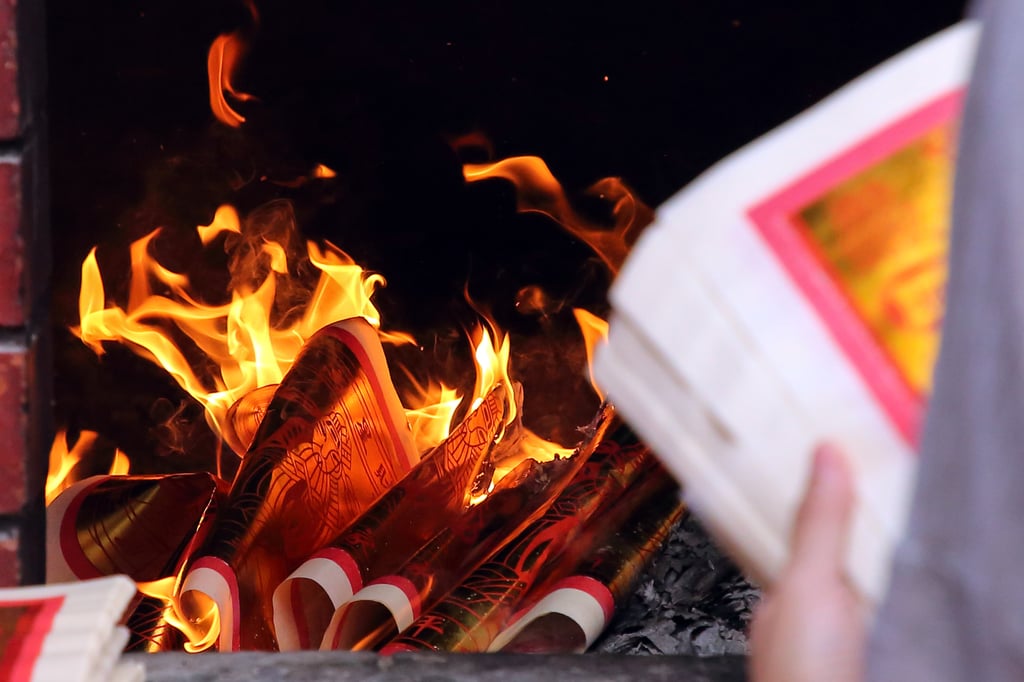
They were used to worship the gods on all sorts of occasions in daily life, from celebrating new births to treating illnesses and commemorating deaths.