What to eat, say, or buy during Lunar New Year to promote positive energy and good fortune
From colours and hidden coins to language and gifts, the SCMP runs the rule over taboos that surround the annual festivities approach

As the Lunar New Year approaches, families across East Asia and beyond prepare not only festive meals and red decorations but also follow a series of long-standing customs believed to ward off bad luck and invite prosperity.
The SCMP highlights some of the most commonly avoided taboos during the Lunar New Year and the meanings and stories behind them.
Food to avoid
Food plays a central role in the celebrations, but not everything is suitable for the festive table.
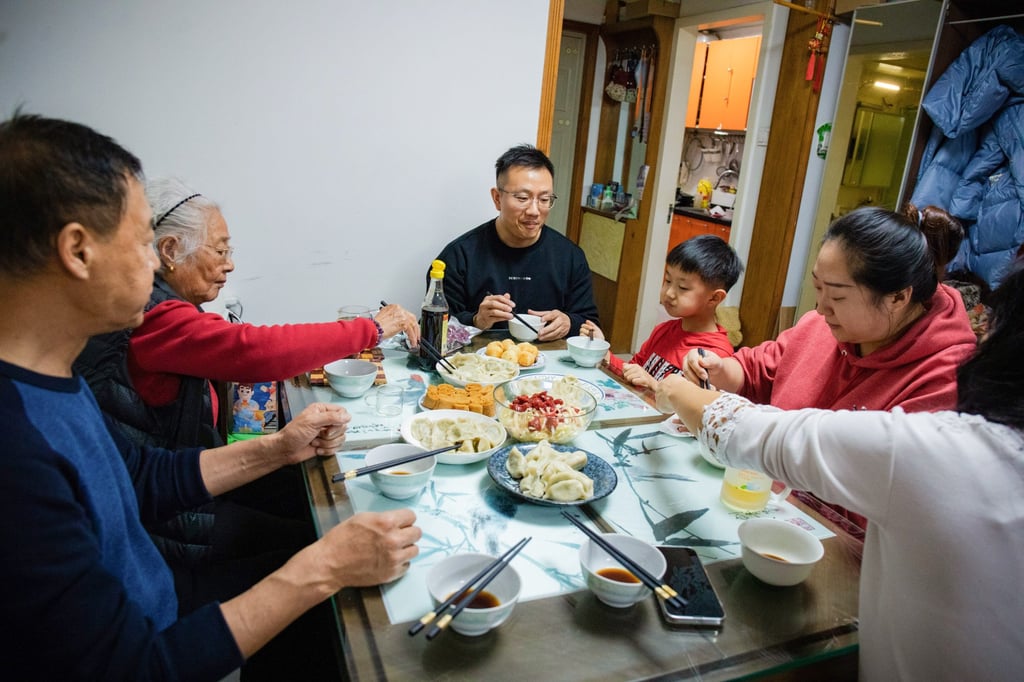
It is important to avoid food that symbolises misfortune, separation or poverty and instead emphasise those that represent abundance, inviting prosperity, longevity and success in the year ahead.
Pears are often avoided because the Chinese word for pear sounds like “separation”, symbolising broken relationships.
Although persimmons carry the auspicious meaning of “everything going smoothly”, they are considered inauspicious on Lunar New Year’s Eve because the word for persimmon, Shi, is a homophone for death in Chinese.
Colour also plays a symbolic role. The dominant colour of Lunar New Year is red, representing luck and joy, while white is associated with mourning.