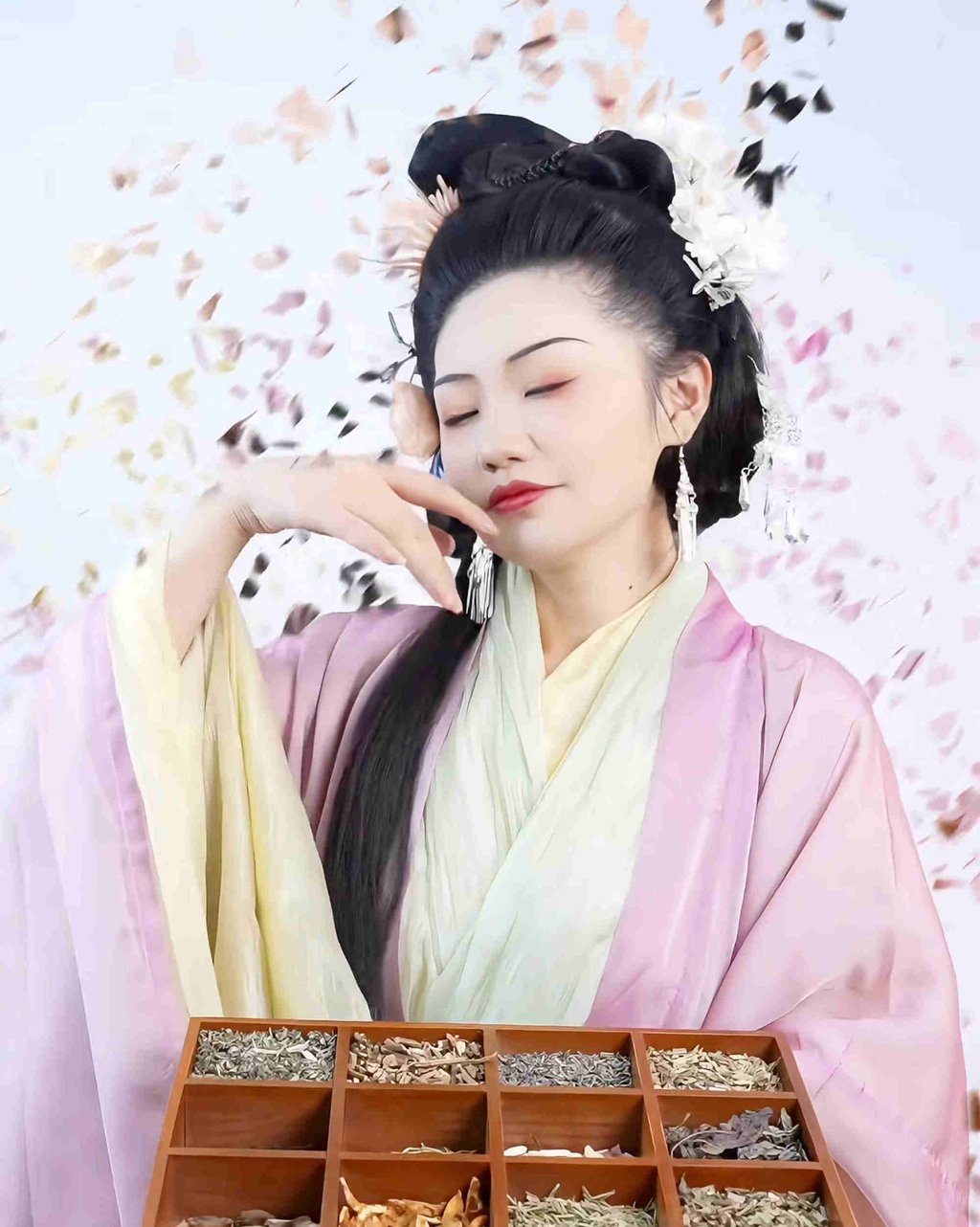
Swallowing pieces of silk, eating cacti or just 1 meal a day – all in pursuit of thinness in ancient China
While being plump had a place in China’s history, extreme diets, constricting clothes formed part of nation’s centuries-old desire for slimness

Long before calorie counting and healthy diets, women in ancient China were already under intense pressure to stay slim, even swallowing cacti or silk in pursuit of what was perceived as perfection.
Many assume ancient Chinese women prized fuller figures, but the reality was more nuanced.
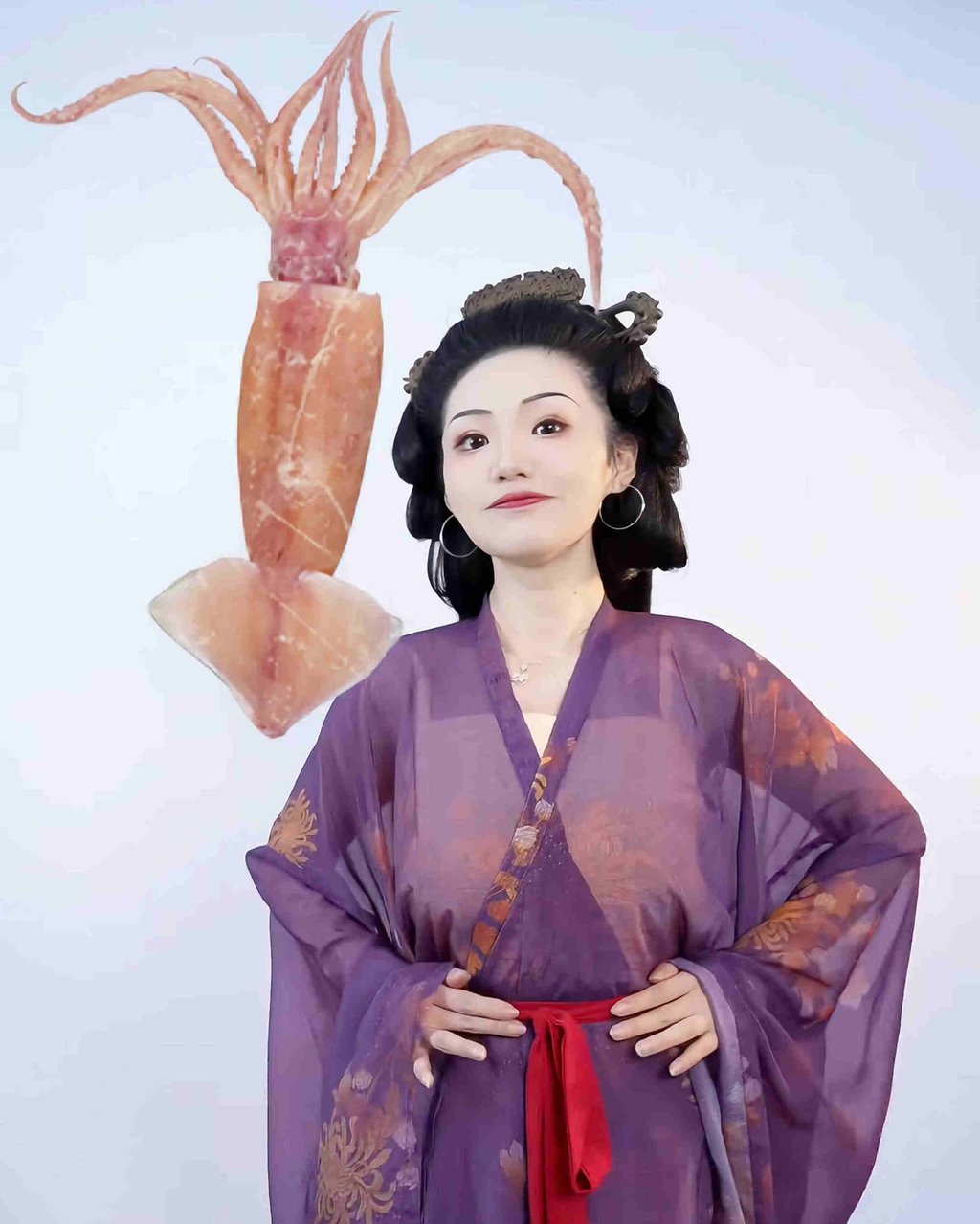
The Tang dynasty (618–907) is often cited as the classic example, thanks in part to figures such as the female sovereign Wu Zetian and the consort Yang Yuhuan.
Yet plumpness was never the sole ideal. In most historical accounts, the preferred look in ancient China was still chang bai: fair-skinned, tall and slender.
During the Eastern Zhou period (770–256 BC), King Ling of Chu prized thin waists and his court quickly followed suit, cutting back on food to stay slim regardless of gender.
Historical records show that officials ate only one meal a day because they feared gaining weight and losing the ruler’s favour.