Why old China custom requires brides to bring ‘toilet’ or chamber pot for wedding ceremony
In rural Wuhan, a pair of chopsticks is placed inside chamber pot, representing swift birth of son

An old Han Chinese wedding custom mandates that the bride brings her own “toilet,” typically filled with red eggs, red dates, and peanuts, which symbolise fertility and abundant blessings.
Traditionally linked to filth and unpleasant odours, the chamber pot may seem an unlikely addition to a bride’s dowry.
Nevertheless, in many regions of China, particularly rural areas, it was once deemed a standard and essential item for a bride to carry to her new home.
Beyond its practical function as a portable nighttime toilet before modern sanitation, human and animal excrement in rural communities served as organic fertiliser, thus regarded as a symbol of regeneration, vitality, and new life.
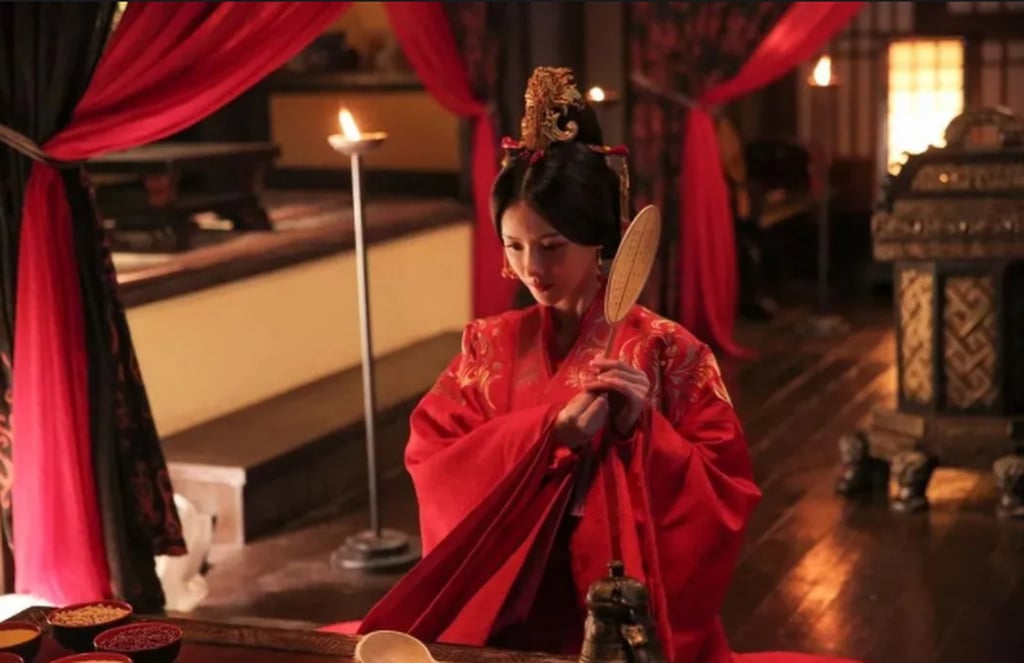
In the Jiangsu and Zhejiang provinces, during a traditional Han Chinese wedding ceremony, a trusted servant or female relative of the bride precedes the bridal sedan, balancing a chamber pot on a shoulder pole.