How garlic in brides’ dowries in China promotes frugality and household management
More than a kitchen staple, garlic is revered as a ‘divine herb’; boasts 3,000-year legacy in medicine, rituals, home protection

Garlic occupies a unique position in Chinese wedding traditions and broader cultural beliefs. In parts of Guangdong province, brides traditionally include garlic in their dowries, as it is believed to ward off evil spirits, dispel negative energy, and enhance feng shui in southern China.
China stands as the largest producer and consumer of garlic globally, which serves as a foundational aromatic ingredient, alongside ginger and spring onions, in most regional Chinese cuisines.
In traditional Chinese medicine, garlic is thought to strengthen the immune system, promote cardiovascular health, and reduce inflammation.
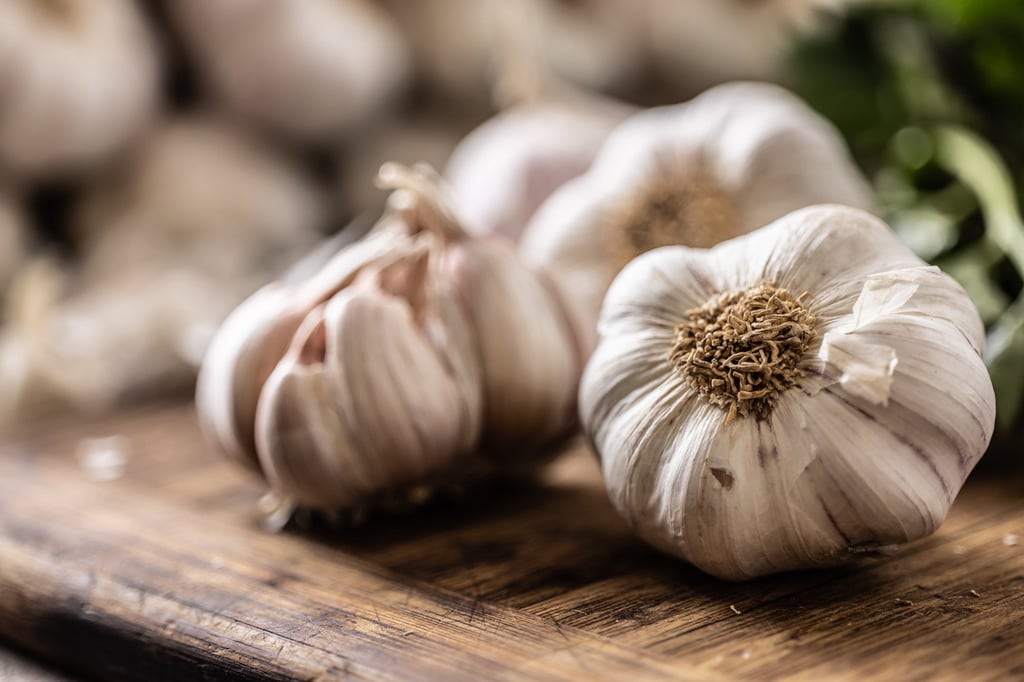
While garlic is renowned worldwide for its flavour, in many rural Hakka regions of Guangdong province, the traditional wedding custom of giving vegetables as part of the bride’s dowry remains preserved to this day.
On the day a daughter is married, her family prepares a selection of vegetables, ties them with red cloth strips, and presents them alongside the bride to the groom’s home.
These symbolic gifts express hopes and blessings for the newlyweds.
For instance, celery, whose name sounds like “diligence,” symbolises a wish for the bride to be hardworking and prudent in her new household.
Spring onions, which sound like “cleverness,” represent aspirations for intelligent and healthy children, while chives, a homophone for “long-lasting,” convey wishes for enduring love and a lasting marriage.